


Beneath the Flood: How Rising Waters Conceal Deadly Electrical Hazards
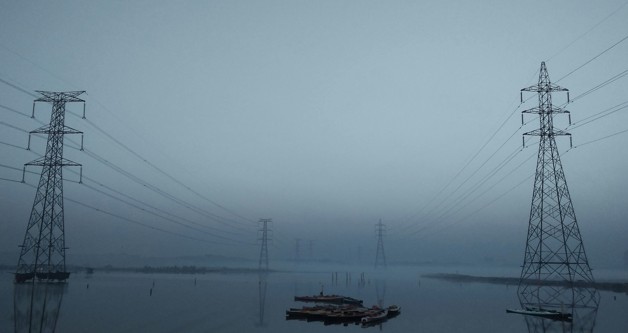
Several videos and pictures have surfaced online detailing the ordeals of residents of flooded areas. From submerged cars to waterlogged beds, the experiences are disheartening. According to NiMet’s seasonal climate outlook report, rainfall distribution across the country is expected to vary considerably, with annual totals ranging from about 400 mm in some northern areas to over 3,000 mm in parts of the coastal region.
Such high rainfall volumes increase the likelihood of rivers, drainage channels, and other water bodies exceeding their carrying capacity. In densely populated urban centres like Lagos, where rapid urbanisation, inadequate drainage infrastructure, and blocked waterways already pose challenges, prolonged and intense rainfall can quickly overwhelm flood-control systems, leading to widespread flooding.
One major aspect that is often not talked about during flooding episodes is the electrical hazards. Floodwater looks harmless from a distance. Brown, still, maybe a few inches deep across your driveway. It doesn’t look like a threat, and that’s exactly the problem.
Water conducts electricity. So, when floodwater touches a downed power line, a submerged outlet, or a damaged appliance, it doesn’t stay contained. The current spreads through the entire pool. You won’t see a spark. You won’t hear a warning. You’ll just be standing in it.
Every year, flood-related electrocutions kill people who never touched a wire. They touched water that a wire had already touched. Understanding this risk isn’t optional if you live somewhere floods happen. It’s the difference between waiting out a storm safely and becoming a preventable statistic.
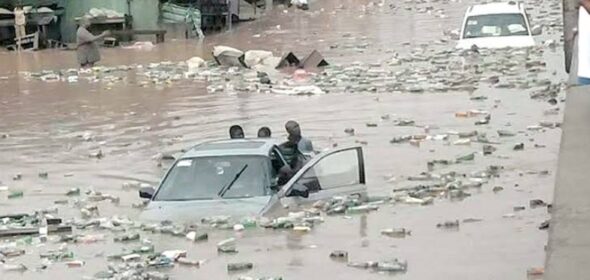
Why Floodwater Becomes an Electrical Trap
Flooding rarely arrives on its own. It drags fallen trees, snapped power lines, and damaged electrical panels along with it. Once that water rises high enough to reach any live electrical source, the entire flooded area becomes part of the circuit. This matters because floodwater is rarely clean. It’s murky, often opaque, mixed with mud, debris, and runoff. You can’t look at a flooded street and tell where the danger starts. A live wire lying beneath two inches of water looks exactly like a dead one.
Here’s what makes it worse. Electricity doesn’t need direct contact with your skin to hurt you. If current is present in water and you step into that water, your body becomes a path for it to travel. Distance from the actual wire doesn’t protect you the way it would on dry ground.
The Hidden Sources of Risk
Most people picture a single downed line when they think about flood-related electrocution. The real risk is broader than that. Submerged outlets and extension cords left plugged in can energize standing water in a garage or basement. Flooded electrical panels, especially older ones without proper grounding, can leak current into surrounding water. Appliances sitting in floodwater, from water heaters to washing machines, carry the same risk if they’re still connected to power. Even vehicles can become dangerous. A car parked in floodwater near a downed line can carry a charge through its body. Touching the vehicle, or touching someone touching the vehicle, can complete that circuit.
None of these sources announce themselves. That’s the core danger here. Flood damage is visual. Electrical danger isn’t.
Warning Signs You Should Never Ignore
A few signals can tip you off that water nearby may be electrically charged, though you should never rely on these alone to judge safety. A humming or buzzing sound near the water. A tingling sensation in your feet, if you’re already standing in shallow water, means get out immediately. Sparking or flickering lights in a nearby structure. Downed lines are visible anywhere upstream of the flooded area, even if they’re not touching the water directly in front of you. If you notice any of these, don’t investigate. Back away the way you came and call your utility company or local emergency services right away.
What to Do Before You Ever Step in Floodwater
The safest move is the simplest one. Treat all floodwater as electrified until you know otherwise. There’s no way to visually confirm it’s safe, so the assumption is to run in the other direction.
Before wading through any flooded area, check whether local authorities have reported downed lines nearby. Utility companies often post real-time outage and hazard maps during major storms. If your home has flooded, shut off power at the main breaker only if you can reach it without stepping into water. If the breaker itself is wet or partially submerged, leave it alone and call an electrician instead.
Keep everyone, especially kids and pets, away from flooded yards, basements, and streets until the water fully recedes and a professional confirms the area is safe.
After the Flood: Don’t Rush Back to Normal
The danger doesn’t end when the water drops. Appliances, outlets, and wiring that sat in floodwater can still hold a charge or develop faults that surface later. Have a licensed electrician inspect your home’s electrical system before you turn power back on. This applies even if nothing looks obviously damaged. Water damage to wiring insulation is often invisible until it fails.
Throw out any electrical appliance that was submerged, even briefly. Repair costs and safety risks usually outweigh the value of trying to save them. Document everything with photos first, both for insurance and for your own records.
If you smell burning, see scorch marks, or notice outlets that look discolored, treat that as an active hazard and call a professional immediately rather than testing it yourself.
The Bottom Line
Floodwater carries more than mud and debris. It can carry a live electrical current that’s completely invisible until someone gets hurt. The rule that saves lives is straightforward: never assume floodwater is safe, never walk through it if you can avoid it, and never turn power back on without a professional’s confirmation.
Storms are unpredictable. Your response to them doesn’t have to be. Knowing where the real danger hides, beneath the surface rather than on it, is what keeps a flood from becoming a tragedy.
If you’re in an active flood situation and notice downed power lines or signs of electrical current in standing water, contact your utility provider’s emergency line and local emergency services immediately. Do not attempt to move lines or enter the water yourself.