


Africa Loses $7bn Yearly to Medical Tourism – Jamal
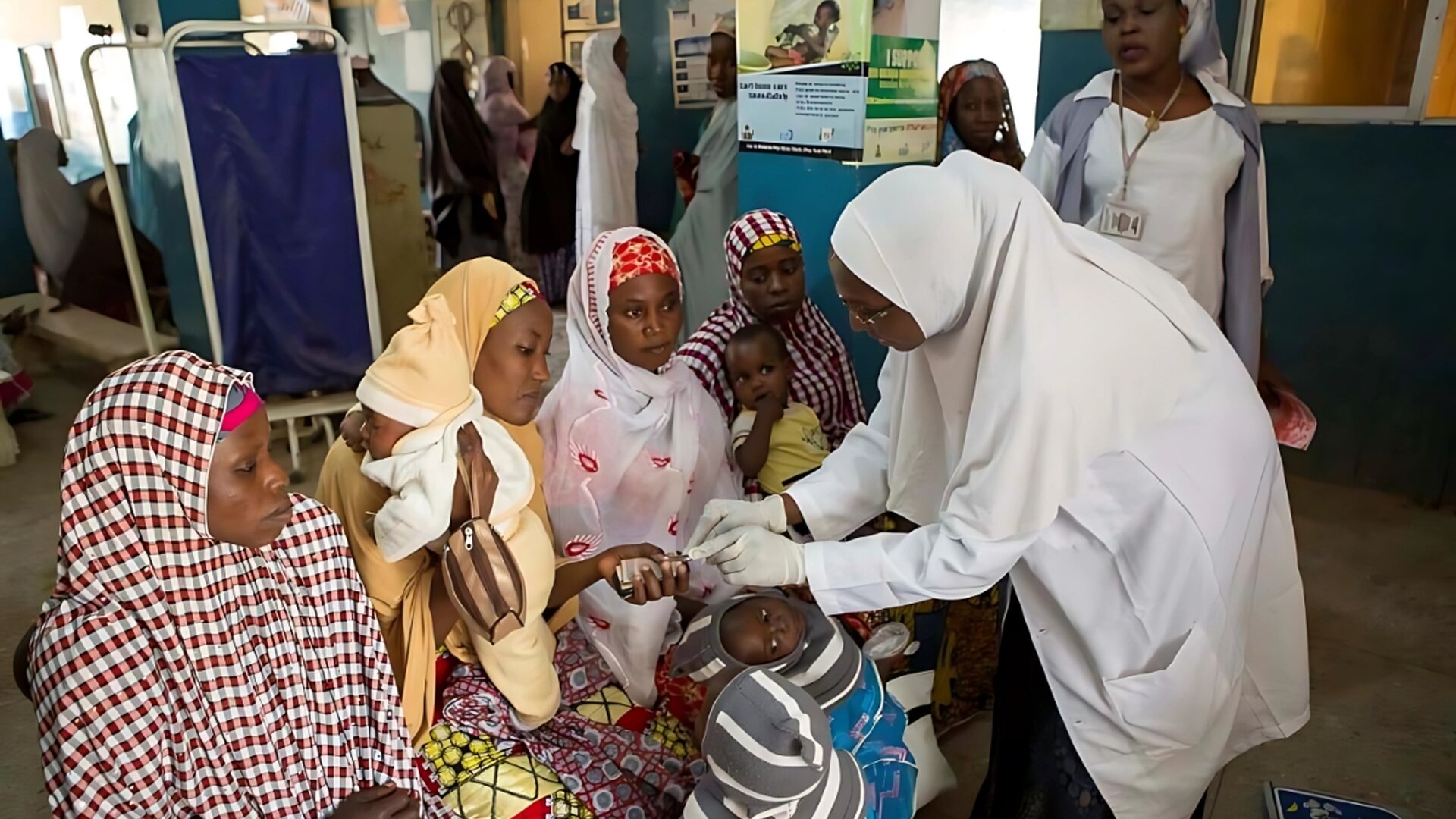
Africa loses seven billion dollars every year to overseas healthcare as citizens flee broken domestic hospitals. More than 300,000 Africans travel to India alone each year for specialist treatment. The Aga Khan University Hospital in Nairobi revealed these figures at a media roundtable in Lagos. Chief Operating Officer Khurram Jamal criticised African governments for prioritising shiny new buildings over trained staff. He argues that patients will only stay if local clinics earn their trust. Patriotism alone will not cure sick patients.
The critical shortage of specialists remains a major driver of this multi-billion-dollar flight. The continent has roughly 1.5 doctors, nurses, and midwives per 1,000 people. This falls far short of the World Health Organisation’s recommended minimum of 4.45. To make matters worse, seventy per cent of African doctors trained abroad choose never to return. A state-of-the-art operating theatre is merely an expensive room without a surgeon. Expensive equipment cannot heal a sick patient.
Clinical research on the continent shows a similarly bleak picture. Africa accounts for a mere four per cent of global clinical trials despite bearing a quarter of the global disease burden. Jamal warned that Africa must create medical knowledge rather than consume it. Local evidence remains essential to tackle specific health challenges unique to the population. The Nairobi hospital hopes to lead this intellectual shift through its own clinical research unit. Medical self-reliance requires local clinical trials.
To capture some of this fleeing market, East African providers are making their move. The Nairobi facility is positioning itself as a cheaper, closer alternative for wealthy Nigerians who usually fly to Europe or the Americas. It has secured Joint Commission International accreditation, demonstrating that its clinical standards match those of Western peers. The hospital also runs sixteen clinical fellowship programmes to train the next generation of African specialists. They have partnered with Kenya Airways to simplify patient travel across the continent. Closer treatment options save lives and money.
Reversing this flight of capital requires deep structural cooperation. Health providers, policymakers, airlines, and regulators must build reliable networks. Jamal stressed that doctors from Nairobi visit Nigeria to share skills and learn from local peers. Rebuilding local trust remains a slow but vital task for the entire continent. If Africa fails to invest in its own people, the next generation will inherit empty, quiet hospitals. Decisive actions must replace political empty promises.