
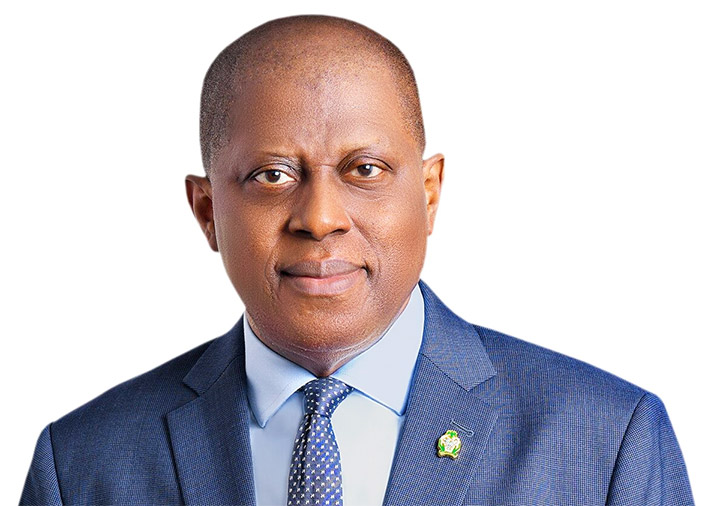
Nigeria’s net foreign exchange reserves have surged to approximately forty billion dollars as ongoing monetary reforms begin to yield fruits. Central Bank Governor Olayemi Cardoso announced the milestone at the BusinessDay CEO Forum in Lagos. The dramatic recovery marks a massive rebound from the critically low three billion dollars recorded at the start of his tenure. This sharp increase represents a significant boost to the nation’s external buffers and financial credibility. Gross external reserves have also climbed steadily, reaching fifty-two billion dollars.
The rapid accumulation of net dollars reflects a restoration of international market confidence. Analysts track net international reserves, which strip out short-term foreign swap obligations, as the truest measure of a country’s actual spending power. The initial three-billion-dollar estimate published by JP Morgan had previously triggered widespread anxiety in domestic financial markets. Cardoso noted that the central bank’s aggressive stabilization policies have successfully reversed that panic. The apex bank expects the stronger reserves to shield the local currency from external shocks.
Sustained foreign portfolio inflows remain the primary engine driving this reserve expansion. Tight monetary measures, including raising interest rates and increasing bank cash reserve requirements, have lured foreign investors back to local debt markets. Higher yields on government treasury bills have successfully absorbed excess liquidity. These foreign cash inflows have offset the high demand for dollars by local importers. Central bank officials believe this steady accumulation of hard currency will help sustain a firmer naira.
Stabilising the foreign exchange market has also helped restore order to retail dollar trading. The central bank recently unified multiple trading windows and tightened supervision over local currency dealers. Regulators want to ensure that foreign capital goes directly into productive sectors of the economy rather than into speculative trading. Cardoso urged domestic business leaders to take advantage of this newly found macroeconomic stability. He insisted that policy consistency would continue to attract the long-term capital required for industrial growth.
Despite the growing reserves, elevated domestic inflation keeps pressure on the regulatory body. Consumer prices remain high, squeezing the purchasing power of average households. The central bank must balance its desire to attract foreign investors with the need to stimulate local economic activity. Financial experts warn that keeping interest rates high for too long could eventually hurt domestic borrowing and manufacturing. However, the governor maintains that securing external stability remains the priority for long-term growth.