
Nigeria Approves $4.5bn Refinancing Deal to Support Naira
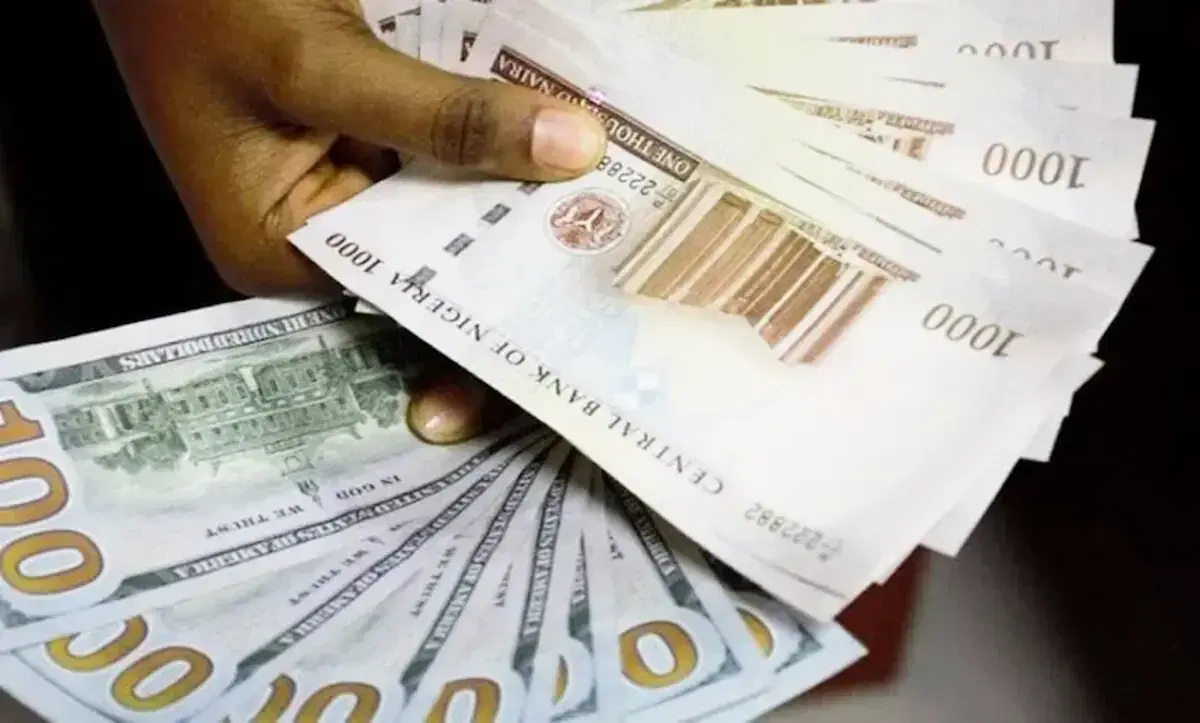
Nigeria’s National Economic Council approved a $4.5bn crude oil-backed loan refinancing deal to defend the naira. The new credit package replaces the $3.3bn pre-export finance deal from 2023 under Project Gazelle. The transaction allocates $1.5bn to settle existing obligations from the previous agreement. The central bank receives the remaining $3bn directly to rebuild national external reserves. Fresh liquidity gives monetary authorities crucial leverage to defend the local currency. State officials buy temporary relief rather than a structural fix.
The restructuring terms reduce the physical crude volume pledged as loan collateral. Pledged crude allocations fall to 78,750 barrels daily from the previous 90,000 barrels. The 12.5 per cent reduction frees 11,250 daily barrels for open market sales. The extra barrels generate about $27m in monthly revenue for federal accounts. State treasuries gain immediate fiscal space for domestic spending priorities. Reclaimed barrels expand national fiscal options during tight financial cycles.
Refinancing future crude oil exports remains cheaper than issuing costly sovereign bonds. High global interest rates make international Eurobond sales excessively expensive for emerging markets. Nigeria leverages future oil assets to secure relatively low-cost hard currency. Pledging future crude production leaves public finances vulnerable to sudden price drops. Sinking oil prices or persistent pipeline theft could quickly derail repayment schedules. The entire deal hinges on maintaining steady national crude output.
Central bank officials plan to use fresh reserves to curb exchange rate swings. Foreign exchange intervention helps calm nervous local businesses and commercial importers. Higher reserves provide coverage for imported goods and build foreign investor confidence. Financial relief remains brief without broader structural reforms and higher non-oil exports. Temporary dollar injections cannot substitute for permanent foreign currency inflows. Sustainable currency stability requires deep structural economic adjustments.
State oil managers gain operational flexibility to supply expanding domestic refining capacity. Unpledged crude barrels help supply local facilities like the Dangote Refinery directly. Meeting domestic crude commitments cuts expensive refined fuel imports across the country. Lower fuel import bills reduce foreign exchange demand across commercial banking channels. Domestic processing strengthens national energy security over time. Reclaimed crude serves both fiscal and industrial national priorities.
Public policy success depends on whether fiscal space translates into public welfare gains. Federal and state authorities face heavy public pressure over rising consumer living costs. Refinancing buys precious time for fiscal planners to implement broader structural reforms. International lenders still display appetite for Nigerian resource-backed credit structures. Long-term stability demands sustained crude production increases and disciplined public spending. Future oil revenues now pay for present fiscal relief.