

Atiku Pledges to Restore Petrol Subsidy in 2027
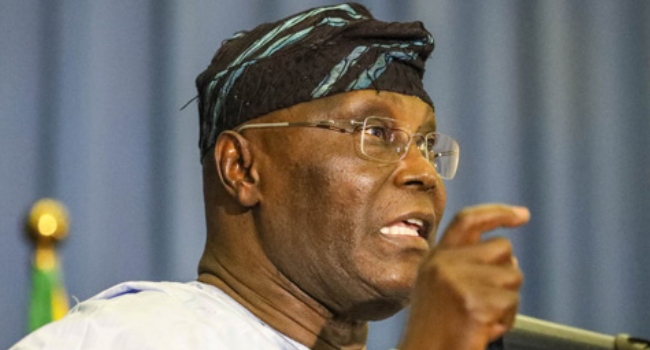
Atiku Abubakar has pledged to bring back petrol subsidies if voters elect him president in 2027. The former vice-president and perennial opposition candidate framed the move as an urgent rescue for households crushed by runaway living costs. He argued that the current administration rushed into price reforms without building viable social cushions for the poor. The declaration sets the stage for a bitter economic debate ahead of the next general election. Atiku wants to turn widespread voter anger over high fuel bills into political momentum. Populist promises always find an eager audience.
The promise marks a sharp political pivot for a politician who spent decades championing free-market privatisations and fiscal discipline. During the 2023 presidential campaign, Atiku repeatedly insisted that ending petrol subsidies was unavoidable for national survival. His fresh pledge exposes how harsh political reality often bends long-held ideological convictions. Opposition strategists calculate that attacking fuel prices offers the quickest path to winning over disillusioned urban workers. Political ambition readily overrides orthodox economic doctrine. Cheap petrol remains a potent electoral weapon.
President Bola Tinubu’s team swiftly defended the reform, arguing that reviving subsidies would bankrupt public treasuries within months. The Federal Government Fuel Reform Overview shows that scrapping the payments saved over 15 trillion naira and averted sovereign default. Government officials maintain that cheap fuel previously enriched cross-border smugglers while starving state hospitals and schools of basic cash. State governors now enjoy record monthly revenue distributions because the treasury stopped funding cheap petrol. Reversing the policy would immediately choke sub-national budgets across the federation. Arithmetic easily defeats good intentions in public finance.
Yet the public remains deeply sceptical of government claims about fiscal savings and long-term reform dividends. Pump prices have jumped more than fourfold since mid-2023, driving up food transport costs and retail inflation across every state. Workers watch public officials spend record allocations on luxury overheads while asking citizens to endure relentless belt-tightening. This glaring double standard gives opposition figures like Atiku plenty of political ammunition. Ordinary citizens judge economic policy at market stalls, not on balance sheets. Broken trust makes tough reforms hard to defend.
Funding a restored fuel subsidy regime would require staggering amounts of public debt or huge cuts to existing social budgets. Nigeria currently spends a massive share of its retained revenue on debt servicing and revised civil service wages. The state oil firm cannot shoulder multi-trillion-naira import under-recoveries without draining foreign reserves and printing unbacked currency. A return to artificially suppressed pump prices would also distort private investment in domestic refining. Global lenders and credit rating agencies would downgrade Nigerian bonds almost immediately. Artificial price caps always extract a steep price.
The debate exposes a deeper ideological rift over how to manage Nigeria’s fragile post-reform economy. One camp argues that sudden price shocks destroy consumer demand and ruin domestic manufacturing before efficiency gains can take root. The rival faction insists that price controls breed systemic corruption and shield broken monopolies from market competition. Neither side has presented a clear plan to build modern mass transit or repair broken farm roads. Campaign rhetoric rarely addresses the tough structural work required to lower transport costs permanently. Slogans cannot fix decrepit public infrastructure.