
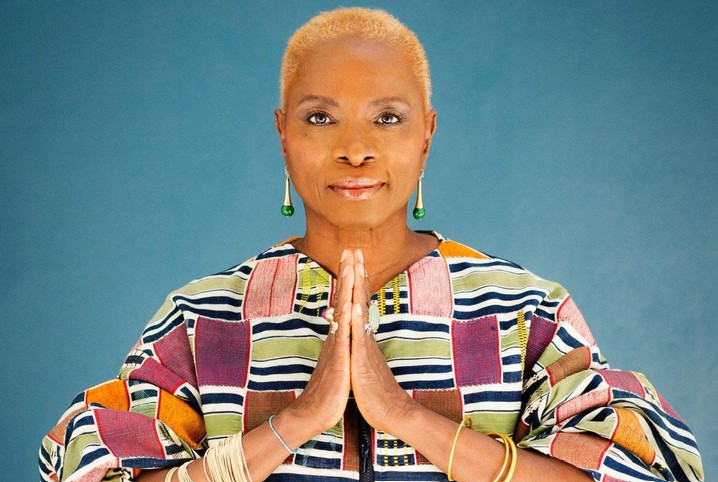
Beninese singer Angelique Kidjo received a star on the Hollywood Walk of Fame on Tuesday. The five-time Grammy winner becomes the first African musician and the first Black African to earn a place on the Los Angeles pavement. Her plaque sits at 7011 Hollywood Boulevard as the 2,854th star in the recording category. The honour crowns a four-decade career bridging traditional West African rhythms with jazz, funk, and global pop. Western institutions love belatedly ratifying African excellence. Kidjo forced them to pay attention.
The Hollywood Chamber of Commerce spent decades ignoring African musical titans who built global followings before streaming existed. Fela Kuti, Miriam Makeba, and Hugh Masekela toured Western concert halls without ever securing bronze markers in California. Kidjo broke through that commercial wall by touring relentlessly across European and American festival circuits. She made African polyrhythms accessible to global audiences without stripping away their political or cultural roots. Industry recognition often arrives only after decades of undeniable commercial grit. Her persistence built this historic path.
Kidjo carved out her international reputation after fleeing political censorship in Benin during the early 1980s. She settled in Paris, building collaborative bridges with rock icons, jazz masters, and classical orchestras. Her eighteen studio albums proved that African vocal traditions could easily dominate any genre. American music executives often tried to box African talent into narrow world music niches. Kidjo ignored those corporate boundaries and took the Grammy stage repeatedly. Talent bends rigid industry classifications.
Her Hollywood plaque comes at a moment of surging global appetite for contemporary African sounds. Younger artists selling out Western arenas owe their commercial viability to the infrastructure Kidjo helped construct. She served as a cultural diplomat long before corporate labels began signing Lagos and Johannesburg acts en masse. Modern Afrobeats stars now reap the financial rewards of her early pathfinding work. Early pioneers absorb the initial industry friction. Successors inherit the smoother road.
Beyond recording studios, Kidjo spent decades deploying her cultural capital for civic advocacy across the continent. She used her international profile to champion female literacy through her Batonga Foundation in West Africa. Her work as a United Nations goodwill ambassador kept African humanitarian crises on Western editorial agendas. She understood that global visibility creates leverage for grassroots reform at home. True cultural stature extends far beyond vanity awards. Influence requires active public engagement.
The Hollywood Walk of Fame remains an overtly commercial publicity exercise rather than a pure artistic tribunal. Yet symbolic milestones matter to an African creative economy fighting for equity in global royalty pools. Kidjo proved that African musicians can conquer Western institutions on their own terms. Her bronze star offers permanent proof that African mastery cannot be contained or ignored. Western gatekeepers are finally running out of excuses. African artistry commands its own terms.