
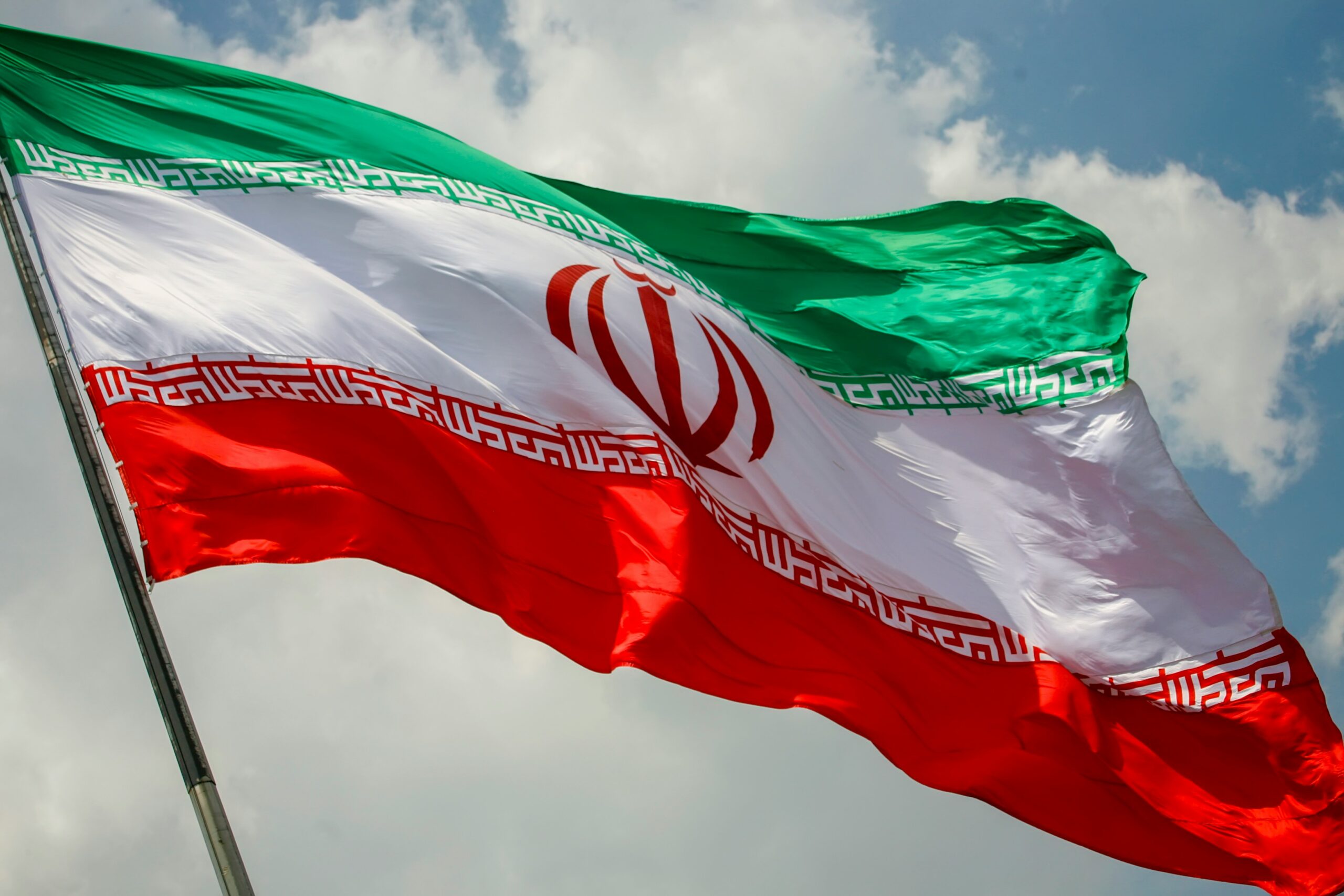
Iranian authorities are rolling out emergency economic measures as Washington prepares a fresh round of trade and financial sanctions. The clerical state is shifting toward a wartime economic model after five months of active conflict with America and Israel. Inflation across domestic food markets has already crossed 128 percent, turning basic groceries into luxuries for ordinary households. Tehran now plans to expand food rationing, fix commodity prices, and reroute trade through friendly Asian neighbours. State planners want to prevent total economic collapse while armed units prepare for offensive operations in the Strait of Hormuz. Siege economics rarely delivers lasting prosperity.
The White House has promised to squeeze Iranian trade networks until Tehran accepts total defeat. President Donald Trump insists that maximum financial pressure will force the Islamic Republic to drop its maritime blockade. Decades of Western trade curbs have already taught Iranian merchants how to build shadow banking channels. State oil sellers use complex ship transfers and foreign currency brokers to bypass official banking rules. Washington believes that tightening financial screws will finally break Iranian resolve. Coercion often hardens state defiance instead.
Ordinary Iranian citizens continue to shoulder the heaviest burden of this economic war. Prices for staple cooking oils, milk, and meat have more than doubled over the past twelve months. Youth unemployment sits near 24 percent, pushing millions of young workers into informal day jobs. State handouts on bread and fuel barely shield poor families from rampant currency depreciation. The local currency continues to lose ground against the dollar on open trading markets. Public patience wears thin under relentless inflation.
Tehran continues to use its control over the Strait of Hormuz as its main economic weapon. Iranian forces have cut daily commercial tanker transits by nearly ninety-six percent since fighting began. Restricting Gulf energy flows drives up worldwide oil prices and punishes Western consumers. Tehran gambles that higher fuel bills will make Western voters demand an end to the naval war. Holding global shipping hostage carries immense military risks for Iran. Leverage declines as global shipping adapts.
Regional diplomacy has yielded little progress as both sides reject basic compromises. Mediators in Oman and Pakistan recently watched a sixty-day truce unravel over maritime policing rights. Washington demands that American warships escort commercial convoys without Iranian interference. Tehran refuses to surrender its claim over regional waters without an immediate end to economic sanctions. Neither government appears ready to offer meaningful diplomatic concessions. Stalemate pushes both nations closer to escalation.
Developing economies far from the Persian Gulf will suffer if this economic showdown drags on. Expensive crude oil drains foreign currency reserves across import-dependent nations in Africa and Asia. Shipping insurers pass steep war premiums straight to final consumers in distant ports. Nigerian businesses already face higher logistics bills for imported machinery and refined fuels. Higher shipping costs quickly feed domestic inflation numbers across emerging markets. Distant wars always send shockwaves across global supply chains.