
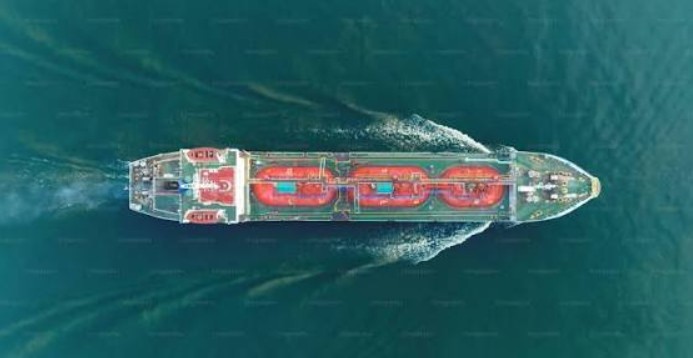
A commercial vessel owned by Abu Dhabi National Oil Company came under direct attack while transiting the Strait of Hormuz on Friday evening. The strike marks the third assault on Emirati tankers within 48 hours in the contested shipping channel. Company officials confirmed that the crew escaped without injuries and brought the vessel under control. The incident shatters any illusion that neutral regional energy producers can bypass the widening maritime conflict. Drone strikes now threaten the world’s most critical oil artery daily. Neutral flags offer no immunity at sea.
The United Arab Emirates blamed Iranian forces for orchestrating the assaults, labelling the strikes state-sponsored piracy. Tehran has maintained an aggressive blockade of the waterway since regional hostilities erupted in February. Iranian commanders demand transit fees from passing commercial ships, a toll system that Western naval powers reject. Abu Dhabi warned that deliberate attacks on civilian shipping threaten global energy security and regional stability. Presidential adviser Anwar Gargash vowed that the federation would defend its right to free navigation. Diplomatic patience in the Gulf is wearing thin.
Maritime records show that hostile forces have targeted 15 ADNOC vessels since the conflict began. Earlier attacks killed one seafarer and injured 20 others on commercial vessels. The repeated strikes demonstrate how vulnerable commercial shipping fleets remain in tight maritime passages. Persian Gulf producers rely heavily on the narrow waterway to move their crude exports to Asian markets. Pipelines bypassing the strait carry only a fraction of total regional production. Strategic bottlenecks still dictate global energy trade.
The continuous drone strikes undermine Washington’s assertion of absolute control over the international passage. President Donald Trump recently claimed that American armed forces dominate the waterway, even floating ideas of territorial annexation. Yet low-cost aerial drones and mobile missile batteries continue to slip past naval patrols. Navies struggle to shield every commercial hull against sudden asymmetric strikes. Escort missions consume vast military resources without eliminating the threat. Expensive warships cannot stop cheap drones everywhere.
Global energy markets face immediate price shocks as tanker operators re-evaluate transit risks. Marine insurers are raising war-risk premiums across the entire Persian Gulf corridor. Higher transport insurance directly drives up pump prices for fuel importers across developing nations. Cash-strapped economies in West Africa will bear the brunt of rising freight and refined fuel costs. Importers pass every additional logistics cost straight to consumers at local markets. War in the Gulf taxes distant consumers.
Diplomatic efforts to negotiate a safe transit corridor remain hopelessly stalled. Washington and Tehran continue to trade missile strikes and political ultimatums across the Gulf. Gulf Arab states find themselves caught between American military posturing and Iranian geographic leverage. Without a durable ceasefire, commercial vessels will face escalating attacks in international waters. Energy markets must brace for protracted supply disruptions as diplomacy falters. The world cannot afford a closed strait.