
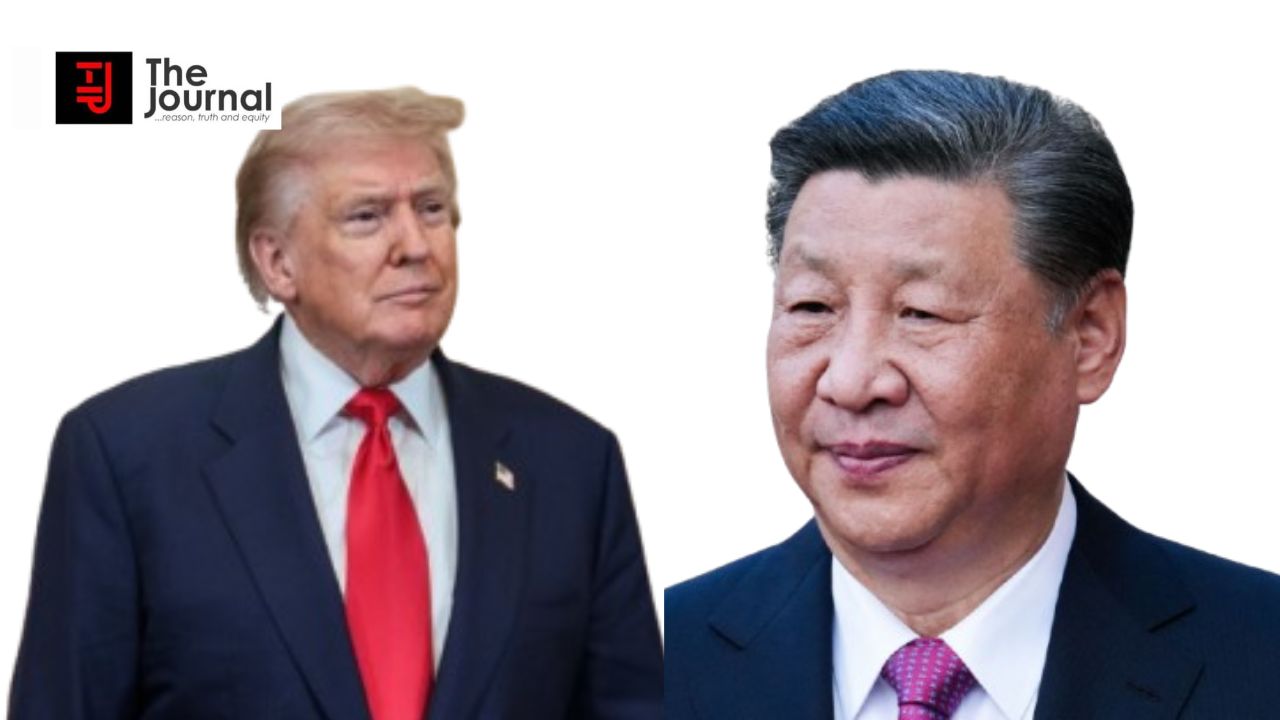
The White House confirms that Donald Trump and Xi Jinping have reached a fragile consensus to ensure the Strait of Hormuz remains open to global shipping. This agreement follows two days of intense negotiations in Beijing against the backdrop of an escalating conflict in Iran. Both leaders recognise that a total blockade of the waterway would trigger a global economic collapse. China relies on the strait for nearly half of its energy needs. The Americans want to prevent a spike in oil prices that could ruin their domestic economy. This pact marks a rare moment of cooperation in an otherwise hostile relationship.
Naval forces from both nations will now coordinate to protect commercial tankers from drone attacks and mine threats. Beijing has long resisted joining US-led maritime coalitions in the Middle East. The sheer scale of the current threat to energy supplies has forced a change in Chinese policy. They will not fly the American flag but will share intelligence on pirate and militia movements. This arrangement allows Xi to protect his interests without looking like a junior partner to Washington. It provides a vital safety net for the world’s most critical trade artery.
The deal does not mean the two superpowers have ended their broader dispute over the Iran war. Trump continues to demand that Beijing stop all trade with Tehran to starve the regime of cash. China refuses to abandon its long-standing strategic partner in the region. They argue that economic sanctions only worsen the humanitarian crisis and push the world closer to a total war. This disagreement remains the primary obstacle to a more permanent peace treaty. For now, they have merely agreed to keep the lights on and the tankers moving.
Technology and trade remained the usual thorns in the side of the summit. The US delegation pushed for an end to the ban on rare earth mineral exports to American arms manufacturers. China countered by demanding access to the latest generation of semiconductor chips. Trump has yet to budge on the export controls that cripple Chinese tech firms. He views these chips as essential to American military superiority in the Pacific. The stalemate on technology suggests that the Hormuz agreement is a tactical truce rather than a lasting friendship.
Taiwan cast a long shadow over the final press briefing in Beijing. Xi warned that the American military presence in the South China Sea is a provocation that could lead to a mistake. Trump responded with his typical bravado, claiming that no one wants a fight but everyone must respect the rules. The rhetoric hides the fact that neither side can afford a secondary conflict while the Middle East burns. Both leaders are playing to their domestic audiences while trying to avoid an accidental war. They are trapped in a dance of mutual distrust and economic dependency.
Markets responded with a cautious rally as the news of the Hormuz pact filtered out. Oil futures dropped from their record highs as traders breathed a sigh of relief. The global economy still sits on a knife-edge, but the threat of a total energy blackout has receded. Business leaders hope this summit will lead to a broader easing of trade tariffs later in the year. That hope may be premature given the fundamental differences between the two men. This meeting was about survival, not a new era of harmony.