
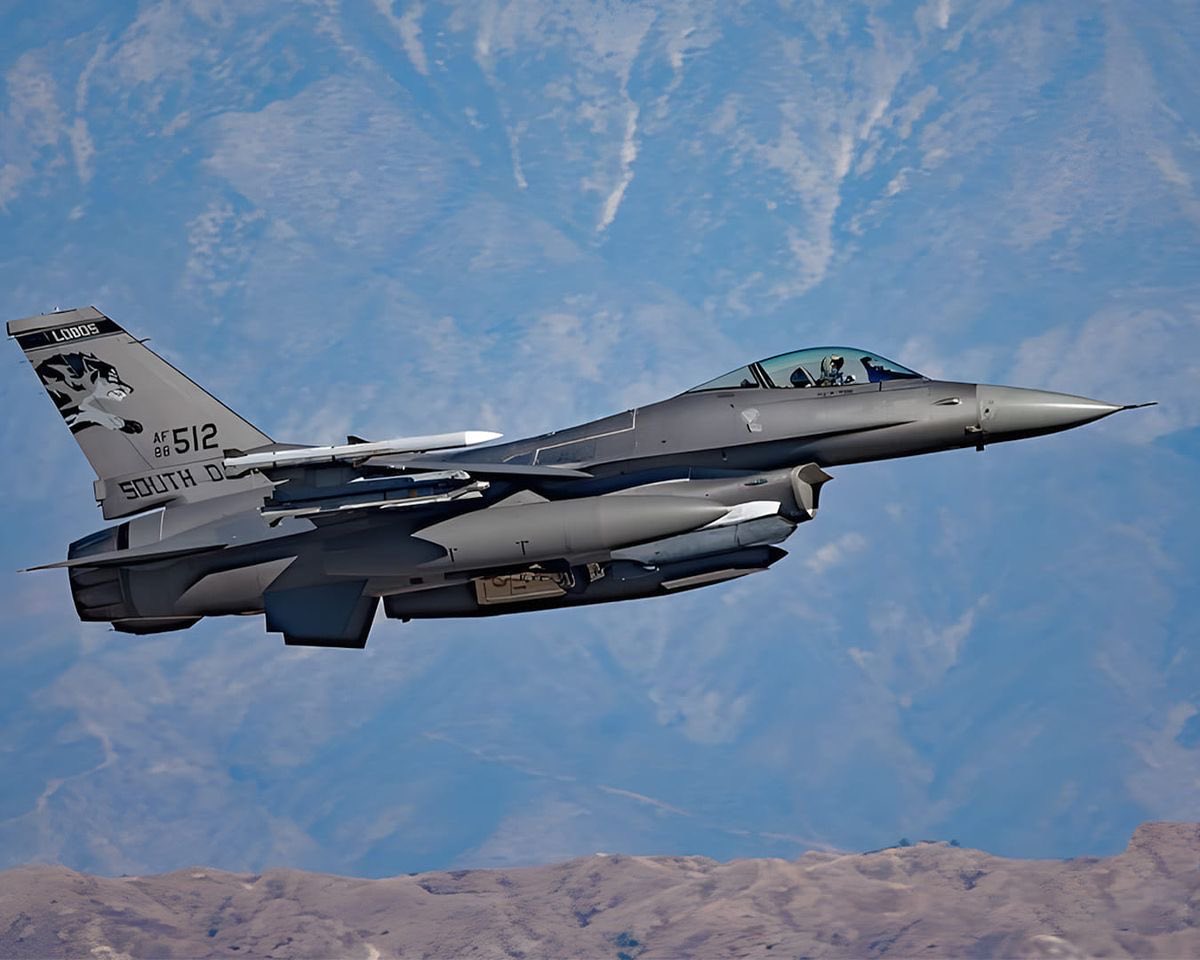
American warplanes disabled two Iranian tankers on Friday as Washington attempts to force Tehran into a diplomatic corner. An F/A-18 Super Hornet used precision strikes to enforce a port blockade just as negotiations to end the ten-week-old Gulf conflict reached a tipping point. The strikes represent a sharp escalation of the American “maximum pressure” strategy. US Secretary of State Marco Rubio expects a formal response to a peace proposal later today. Iran currently reviews the offer through Pakistani mediators but warns it will not bow to military threats.
The Strait of Hormuz has become a site of sporadic and violent clashes between US and Iranian forces. Overnight exchanges saw Iran launch missiles and drones at three American warships, though US Central Command reports no ships were hit. Washington retaliated by striking land bases in Bandar Khamir and Sirik on the Iranian coast. President Donald Trump maintains the ceasefire is intact despite these skirmishes. He claims the US military “blew away” the attackers for trifling with American assets. Iran counters that the US targeted a civilian tanker and violated international law.
Regional allies are finding themselves caught in the crossfire of this maritime war. The United Arab Emirates reported intercepting two ballistic missiles and three drones launched from Iran today. These interceptions resulted in three injuries and underscored the danger to Gulf neighbours. Saudi Arabia has reportedly refused to let the US use its bases or airspace for operations to force open the Strait. The kingdom fears that a heavy-handed military approach will only lead to a larger regional blaze. This refusal limits American options for a quick military solution to the shipping crisis.
The economic cost of the stalemate is staggering for the global market. Around 1,500 ships and 20,000 crew members remain trapped in the Gulf region. Iran has attempted to formalise its control by creating an authority to collect tolls from vessels passing through the Strait. In response, the US naval blockade now prevents 70 tankers from moving in or out of Iranian ports. Oil prices jumped again on Friday as stock markets reacted to the news of renewed fighting. Any hope for a permanent trade route reopening depends entirely on the success of today’s diplomatic deadline.
The conflict began in February with US-Israeli strikes on Tehran and has since crippled maritime trade. A temporary truce started in April, but the current flare-ups suggest the peace is paper-thin. Washington wants a final settlement that ends Iranian control over the world’s most vital energy waterway. Tehran views the US presence as a blatant imperial overreach into its sovereign waters. Both sides are currently using the threat of total war to improve their bargaining positions. The risk of a miscalculation grows with every precision munition dropped on a tanker.
Tehran faces a choice between a negotiated exit and a tightening naval noose. The Pakistani mediators have a difficult task in bridging the gap between Trump’s demands and Iran’s pride. If the response due today is seen as a stall tactic, the US is likely to expand its port blockade. Iran has already shown it can strike back at American allies to exert its own pressure. For now, the world waits to see if the pens of diplomats can outpace the wings of the Super Hornets. The future of global energy security hangs on a single message from the Iranian foreign ministry.