
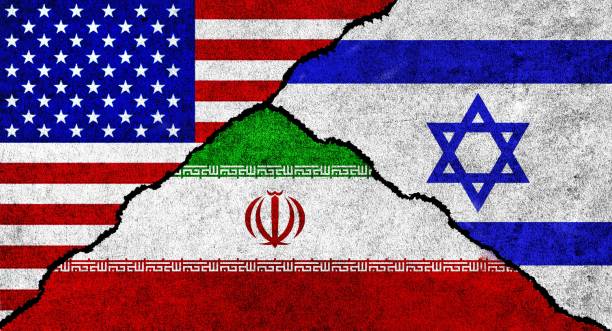
The United States and Iran stand on the brink of renewed hostilities as the two-week ceasefire approaches its final hours. President Donald Trump has signalled a low probability of extending the truce, warning that “lots of bombs” will follow if negotiations fail. Vice President JD Vance is expected to depart for Islamabad to lead an American delegation in a potential second round of talks. Tehran has yet to confirm its participation, citing the American blockade of Iranian ports and the recent seizure of an Iranian vessel as breaches of the current agreement.
The tension focuses on the Strait of Hormuz, a critical maritime corridor that Tehran has effectively shut to retaliate against the ongoing conflict. President Trump maintains that the American blockade of Iranian ports will persist until a definitive deal is reached. He continues to pressure Tehran for significant concessions regarding its nuclear programme. Iran’s leadership, meanwhile, rejects what it views as coerced negotiations under threat. Parliament speaker Mohammad Bagher Ghalibaf declared that Tehran is ready to deploy new tactics if the war resumes.
The ceasefire remains dangerously fragile. Beyond the Iran-US impasse, Israel and Lebanon plan to resume separate negotiations in Washington on Thursday. Despite the truce, violence persists, highlighted by the recent killing of a French peacekeeper in Lebanon. Israel’s military continues to enforce a restricted zone in southern Lebanon, alleging that Hezbollah activities violate the existing terms. The human toll of the conflict has already reached at least 2,387 deaths in Lebanon alone.
The status of Iran’s nuclear stockpile remains a major point of contention. While President Trump has previously asserted that Tehran agreed to surrender its enriched uranium, the Iranian foreign ministry denies that such an arrangement exists. Trump noted that extracting these materials from hardened sites, following the strikes from the 2025 Operation Midnight Hammer, remains a difficult and lengthy process. The rhetoric from both capitals suggests that the window for a peaceful resolution is closing rapidly.
Global markets are reacting to the uncertainty. Oil prices dipped on Tuesday amid faint hopes for a deal, though equity markets showed cautious optimism. Residents in Tehran, however, see little relief, describing an economy crushed by war and isolation. The coming hours will likely determine whether the current path leads to a broader regional conflict or a difficult, negotiated stability. Diplomacy remains on life support.