
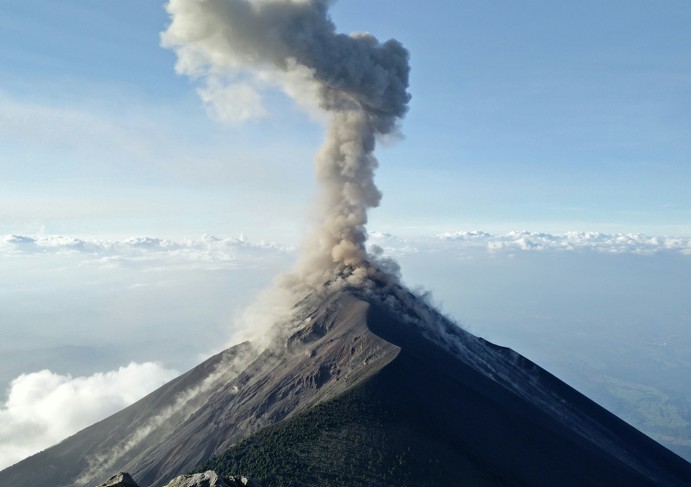
Three hikers are dead after Mount Dukono erupted in North Maluku on Friday morning. The victims, two Singaporean men and a local Indonesian woman, were part of a group of 20 people who ignored safety warnings to climb the peak. A massive column of ash rose 10 kilometres into the sky as the mountain exploded at 07:41 local time. While rescuers evacuated most of the group to the hospital, the bodies of the deceased remain near the crater. Repeated blasts and treacherous terrain have forced recovery teams to pause their work until Saturday.
The disaster was a predictable tragedy. Mount Dukono has erupted more than 200 times since last March and remains one of Indonesia’s most active peaks. Authorities had placed the mountain on a level two alert, strictly banning any activity within a 4km radius of the crater. Social media posts and physical banners at trailheads warned of falling rocks and toxic gas. Some hikers chose to treat the warnings as suggestions rather than life-saving rules.
Local guides noticed high pressure building within the volcano days before it finally blew. One guide described hearing deep tremors and fled the summit with his clients just before the main event. He reported seeing other groups filming drone videos at the very edge of the crater as the mountain groaned. This desire for dramatic content often clouds the judgment of climbers and influencers. They see successful ascents on social media and assume the risk is nonexistent.
The Indonesian search and rescue agency, Basarnas, is now looking into claims of negligence. Officials want to know if tourism operators encouraged the climb despite the clear danger. Experts argue that active volcanoes are not ordinary tourist spots and carry fatal risks that can change in seconds. The allure of a perfect photo should never outweigh the reality of a mountain that is almost constantly erupting.
Recovery efforts remain dangerous for the police and volunteers involved. The crater continues to eject incandescent material and thick ash, making the air nearly unbreathable. Two porters from the original hiking group stayed behind to help rescuers find the exact location of the bodies. The terrain is steep and becomes even more unstable after a fresh layer of volcanic debris settles. Nightfall has added a layer of risk that the teams cannot justify.
This incident serves as a grim lesson for the global hiking community. Distorted perceptions of safety, fueled by viral videos, lead people into “no-go” zones with fatal consequences. The government is now gathering a full account to decide if legal action against organisers is necessary. For now, the focus remains on bringing the victims down from the mountain.