

You have tried cutting caffeine. You are sleeping with the window open. You have read every article about hot flashes and mood swings. But nobody has mentioned your gut.
That might be where the real conversation starts.
Researchers now understand that your gut microbiome, the trillions of bacteria living in your digestive tract, plays a direct and measurable role in how your body manages oestrogen. That means the state of your gut health does not just affect digestion. It actively influences the severity of your menopause symptoms, including hot flashes, weight gain, mood changes, brain fog, and bone loss.
This is not fringe science. It is one of the most significant developments in women’s health research of the past decade. And understanding it puts a powerful tool in your hands.
Your Gut and Your Hormones Are Connected
Here is the mechanism you need to be aware of. Inside your gut lives a specific collection of bacteria called the estrobolome. Its primary job is to metabolise and regulate oestrogen that circulates through your body. These bacteria produce an enzyme called beta-glucuronidase, which reactivates oestrogen so it can be reabsorbed into the bloodstream and utilised by your tissues.
When the estrobolome is healthy and diverse, it keeps oestrogen levels balanced. When it is disrupted by antibiotics, a poor diet, chronic stress, or illness, this regulatory system breaks down. Oestrogen either gets excreted too quickly or recirculates in excess. Either way, hormonal balance suffers.
During menopause, when oestrogen is already declining, a disrupted oestrobolome makes the drop sharper and more erratic. The result is more intense symptoms.

How Gut Disruption Worsens Specific Menopause Symptoms
Understanding the connection in general terms is useful. Understanding how it shows up in your daily life is more useful.
Hot Flashes and Night Sweats
A 2020 study published in the journal Menopause found that women with lower gut microbiome diversity reported more frequent and severe hot flashes than women with a diverse, balanced microbiome. The researchers believe this is partly because gut bacteria influence the sensitivity of the hypothalamus, the brain region that controls body temperature.
An inflamed, low-diversity gut also produces higher levels of inflammatory compounds that circulate in the bloodstream. Inflammation heightens the hypothalamus’s reactivity, which worsens temperature dysregulation.
Mood, Anxiety, and Depression
Your gut produces approximately 90% of your body’s serotonin. Read that again. The neurotransmitter most associated with mood, emotional stability, and a sense of well-being is manufactured primarily in the digestive system, not the brain.
When your gut microbiome is compromised, serotonin production drops. During menopause, when oestrogen decline already reduces serotonin receptor sensitivity, a disrupted gut adds another layer of vulnerability. This is why many women experience anxiety, low mood, and irritability that feels disproportionate to their circumstances.
Brain Fog and Cognitive Fatigue
The gut and brain communicate constantly through the vagus nerve, a direct channel that runs between the two. This is the gut-brain axis. When your gut is inflamed or imbalanced, inflammatory signals travel up this pathway and affect cognitive function, memory, and mental clarity.
Women with poorer gut health during menopause consistently report more severe brain fog. Improving gut health does not eliminate the hormonal cause of cognitive changes, but it removes a significant layer of additional interference.
Weight Gain
The shift in body composition during menopause, particularly increased fat around the abdomen, is partly hormonal. However, gut health plays a contributing role. Certain gut bacteria regulate how efficiently your body extracts calories from food, how insulin-sensitive your cells are, and how much of the hormone leptin, which signals fullness, your body produces.
A depleted microbiome tips all three of these in the wrong direction. You extract more calories from the same food, your insulin sensitivity drops, and your satiety signals become unreliable.
Bone Density
This one surprises most women. Your gut microbiome influences bone health by regulating the absorption of calcium and vitamin D in the small intestine. It also modulates inflammatory pathways that, when chronically activated, accelerate bone resorption.
Several studies now link higher gut microbiome diversity with better bone mineral density in postmenopausal women. This makes gut health a relevant consideration alongside calcium supplementation and weight-bearing exercise.
Read Also: Menopause: Finding Your New Normal
What Disrupts the Gut Microbiome During Menopause
Several factors converge during this life stage to put the microbiome under pressure.
Oestrogen itself supports gut microbiome diversity. As oestrogen declines, microbial diversity naturally decreases. This creates a feedback loop: lower oestrogen disrupts the gut, and a disrupted gut makes it harder for the body to regulate the oestrogen that remains.
Chronic stress, which many women experience during the perimenopausal years, raises cortisol. Elevated cortisol directly alters gut bacteria composition and increases intestinal permeability, a condition often called leaky gut, where the gut lining becomes more porous than it should be.
Poor sleep, another common menopause symptom, also negatively affects the microbiome. Research shows that even short-term sleep disruption measurably reduces beneficial bacteria and increases inflammatory strains within days.
A diet high in processed food, refined sugar, and alcohol further degrades microbiome diversity. Alcohol in particular disrupts the lining of the gut and alters bacterial balance in ways that compound menopause symptoms significantly.
What You Can Do to Restore Gut Health
The microbiome is remarkably responsive. Significant improvements in gut diversity and function can be observed within two to four weeks of consistent dietary and lifestyle changes.
Eat more fermented foods. Yoghurt with live cultures, kefir, kimchi, sauerkraut, miso, and kombucha all introduce beneficial bacteria directly into the gut. Aim to include at least one fermented food daily.
Prioritise dietary fibre. Fibre is the primary fuel source for beneficial gut bacteria. Women going through menopause should aim for 25 to 30 grams of fibre daily. Vegetables, legumes, oats, flaxseeds, and fruits with skin are all excellent sources.
Cut back on ultra-processed food and alcohol. Both actively damage the gut lining and reduce bacterial diversity. You don’t need to be perfect, but consistent reduction produces visible results.
Consider a high-quality probiotic. Look for a multi-strain probiotic containing Lactobacillus and Bifidobacterium species, both of which have clinical evidence behind them for supporting oestrogen metabolism and reducing menopausal symptom severity.
Manage stress actively. Chronic cortisol is a direct threat to your microbiome. Regular exercise, mindfulness practice, and adequate sleep all protect gut health indirectly by keeping cortisol levels in check.
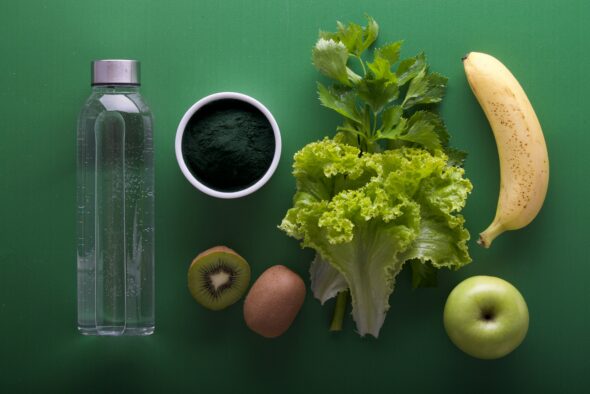
Stay hydrated. Water supports the mucosal lining of the gut and helps beneficial bacteria thrive. Aim for at least 1.5 to 2 litres daily.
The Bigger Picture
Menopause is a hormonal transition, but it does not happen in isolation. Your gut, your brain, your sleep, and your stress levels all interact with your hormones in real time.
Most symptom management advice focuses on one variable at a time. Hot flashes? Try this. Mood changes? Try that. But the women who navigate menopause with the least disruption tend to be the ones who address their health systemically, and the gut is one of the highest-leverage places to start.
You cannot control how quickly your oestrogen declines, but you can control what you feed the system that regulates it. Start there.