
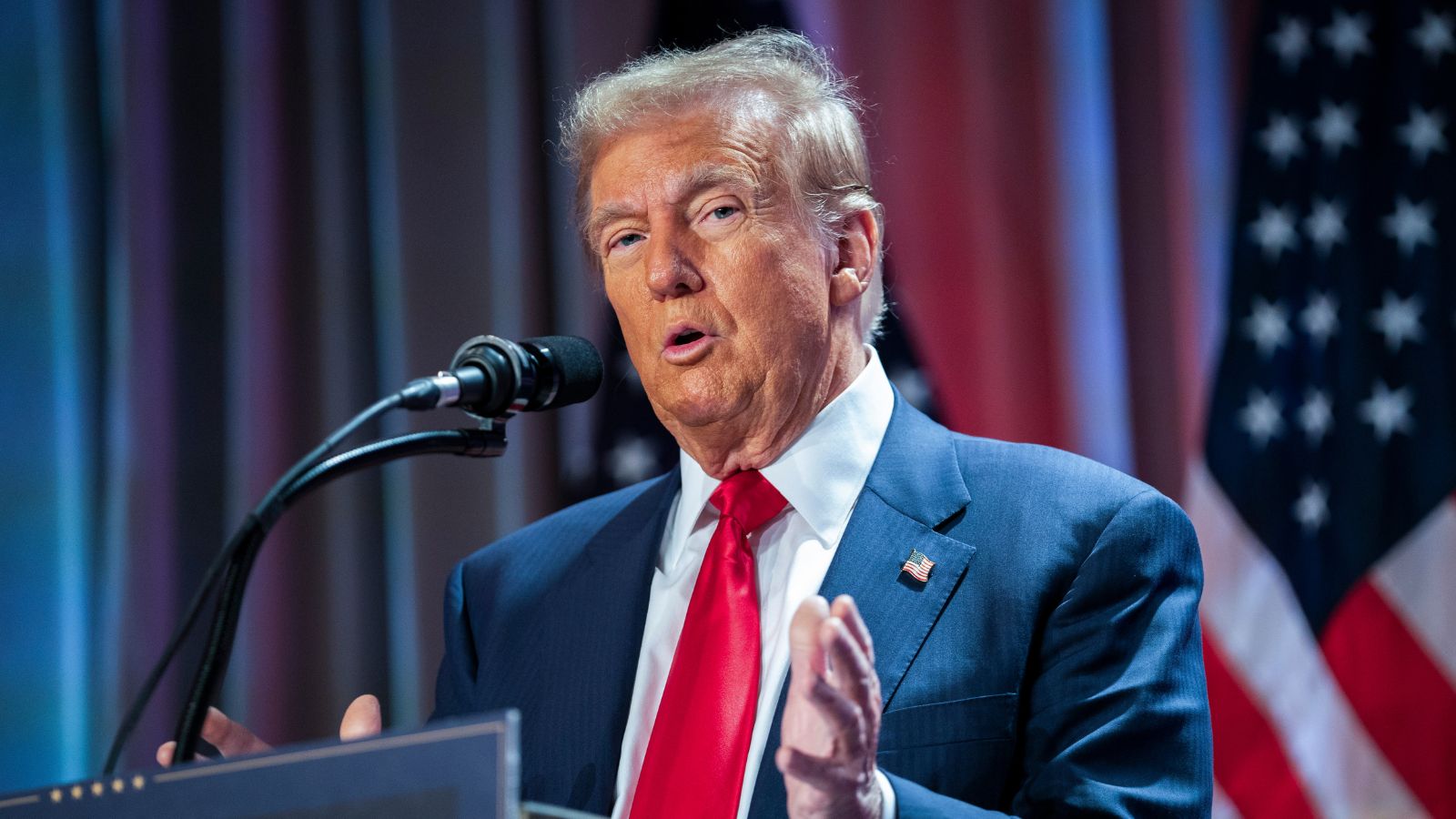
United States President Donald Trump has threatened to declare the strategic Strait of Hormuz American territory once fighting with Iran ends. Speaking to a campaign crowd in New York, the American leader claimed Iranian forces face imminent military collapse. He told supporters that seizing the international channel would require stationing American troops in the Persian Gulf permanently. The bold claim marks another sharp escalation in Washington’s maritime rhetoric. Territorial annexation of an international waterway violates every established norm of maritime law. Gunboat diplomacy has returned with open swagger.
Tehran moved swiftly to dismiss the American threat as domestic political theatre. Deputy Foreign Minister Kazem Gharibabadi declared that foreign leaders cannot seize strategic waterways with tweets or campaign speeches. Iranian officials insist their naval units retain practical authority over the narrow maritime corridor. Iran continues to enforce its counter-blockade against commercial shipping linked to Western allies. Words alone will not dislodge Iranian coastal missile batteries. Geography continues to favour the defender.
The conflict erupted in February following joint American and Israeli strikes on Iranian facilities. Commercial navigation through the vital channel collapsed almost immediately as both sides enforced competing naval blockades. The corridor usually carries one-fifth of the world’s crude oil and liquefied natural gas shipments. Today, only a handful of non-container vessels dare risk the perilous crossing under heavy escort. American warships have already fired missiles at cargo ships attempting to breach the perimeter. Trade corridors do not survive live combat zones.
Mr Trump defended soaring domestic petrol prices as a necessary sacrifice to strip Iran of nuclear ambitions. American drivers now pay roughly four dollars per gallon at filling stations across the country. High pump prices present severe political risks for the White House ahead of crucial mid-term elections. Voters rarely reward incumbent administrations for expensive overseas military campaigns. The White House insists that short-term economic pain will yield long-term global security. Voters care more about everyday fuel bills.
Mediation efforts led by regional neighbours remain hopelessly bogged down. Qatari and Pakistani envoys have shuttled messages between Washington and Tehran without securing basic compromises. Iranian Foreign Minister Abbas Araghchi stressed that informal message exchanges do not constitute formal peace talks. Washington demands full capitulation and financial compensation before lifting its naval dragnet. Tehran refuses to yield its primary economic choke point without sweeping sanctions relief. Neither capital wants to appear weak first.
Global energy markets remain hostage to the military standoff in the Gulf. Brent crude prices hover near ninety dollars a barrel, feeding persistent inflationary pressure worldwide. Developing economies suffer acute foreign exchange strain as transport and import bills multiply. Importers in West Africa face mounting logistics charges for manufactured goods and refined fuels. Higher freight charges quickly eat into fragile national budgets. War in the Gulf taxes the entire global economy.