
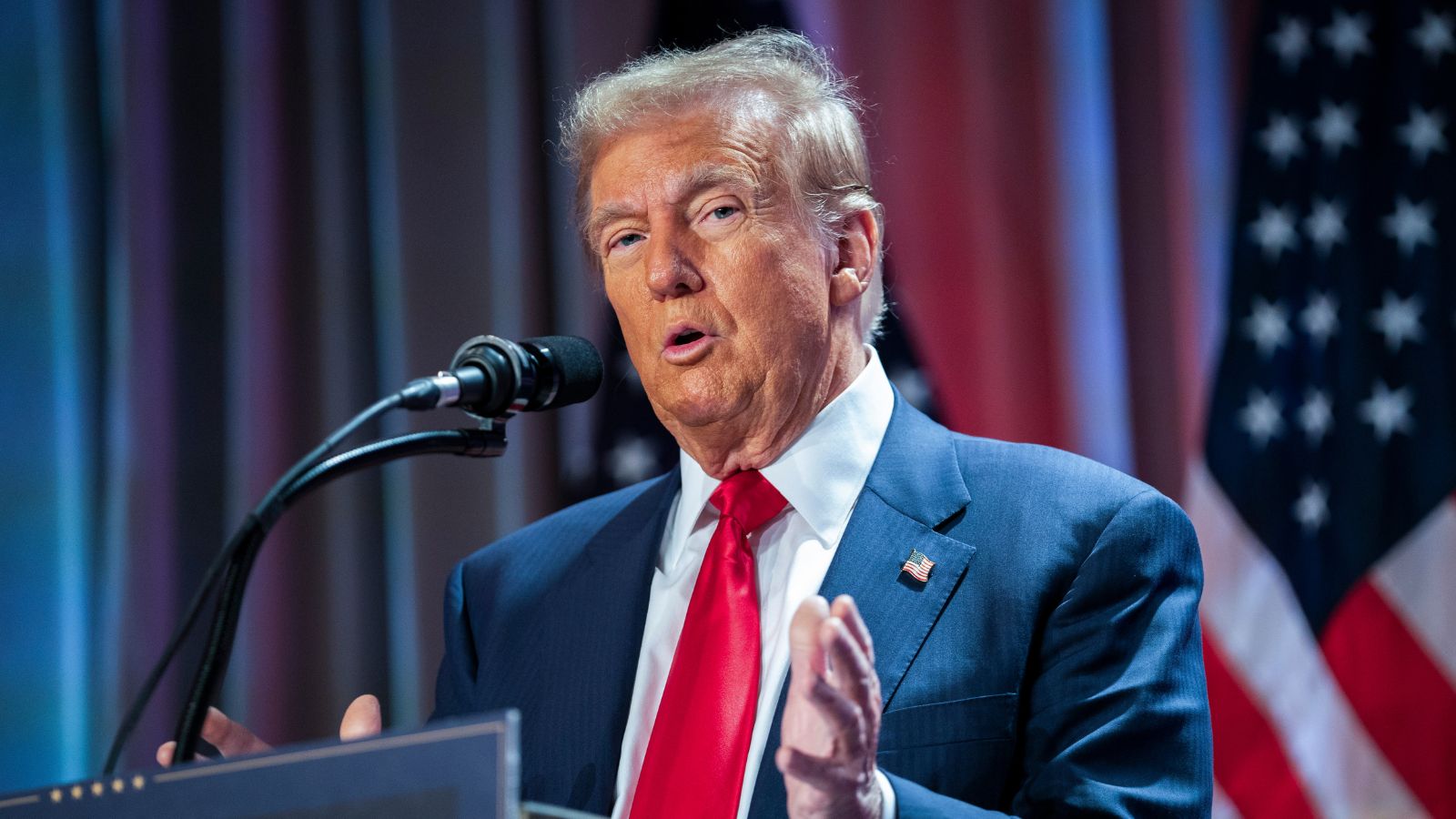
The United States will continue negotiations with Iran despite a total breakdown of their fragile maritime truce. President Donald Trump announced that Washington has accepted an explicit request from Tehran to sustain diplomatic channels. However, the American leader stressed that a critical June 17 ceasefire agreement has officially expired. Washington will not tolerate further attacks on commercial shipping lanes. Gunboat diplomacy has returned to the Middle East as both nations trade heavy fire.
The strategic reversal follows two days of intense combat over the Strait of Hormuz. US Central Command launched a wave of strikes targeting 170 military sites inside Iran. Washington designed the raids to cripple Tehran’s ability to harass global energy transport vessels. Iran quickly retaliated by striking American military facilities across neighboring Gulf states. This severe escalation effectively tears up the recent memorandum of understanding mediated by regional partners.
The core dispute involves competing interpretations of maritime transit rights. Iranian officials claim the June agreement granted them authority to regulate traffic through the narrow shipping corridor. This perspective apparently justified recent drone strikes against Western container vessels. The White House rejects this view, insisting the agreement required unfettered freedom of navigation. Diplomatic progress remains highly unlikely without baseline agreement on these fundamental rules.
Regional mediators are scrambling to contain the immediate fallout. Qatari diplomats arrived in Tehran to salvage the broader negotiating framework. The upcoming technical talks must navigate a minefield of highly contentious geopolitical issues. The agenda includes the ultimate status of Iran’s nuclear programme, asset unfreezing, and permanent maritime policing. However, military analysts warn that these talks are currently purely symbolic. Real progress requires mutual trust that does not exist.
Both capitals face immense internal pressure to avoid a ruinous total war. For Washington, an extended conflict threatens to alienate voters ahead of critical domestic midterm elections. Voters rarely reward ruling parties for costly foreign interventions that destabilise fuel markets. For Tehran, a prolonged American naval blockade threatens to bankrupt an already fragile economy. These structural vulnerabilities explain why both sides are talking while trading missile fire.
The global energy market remains hostage to this highly volatile standoff. While commercial shipping has partially resumed along monitored northern routes, the southern corridor remains dormant. The White House has threatened to seize control of vital Iranian oil hubs if aggression continues. Trump is betting that severe economic leverage will force Tehran into an unconditional diplomatic surrender. Whether this aggressive strategy delivers a lasting peace treaty remains highly uncertain.