
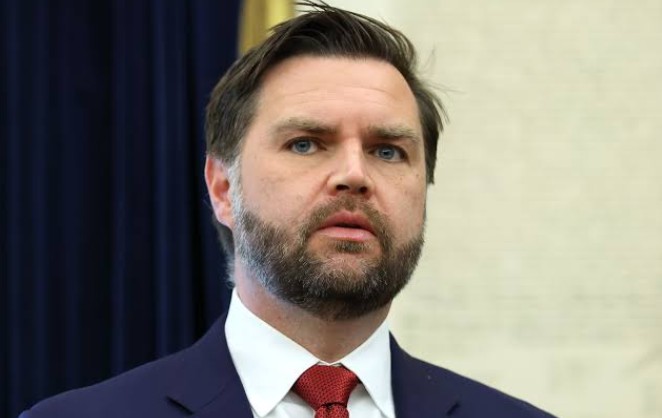
US Vice President JD Vance delayed his diplomatic mission to Switzerland following a surge in Israeli military operations inside southern Lebanon. The white-hot regional friction threatens to derail a newly minted memorandum of understanding aimed at ending the 112-day war between Washington and Tehran. Speaking from the White House, Vance aggressively defended the preliminary accord against a wave of fierce bipartisan condemnation in Washington and anger from Jerusalem. The suspension of the implementation talks, originally scheduled at a luxury Swiss resort, shows how easily regional realities can choke delicate superpower diplomacy.
The initial agreement sets off a rigid 60-day negotiating clock to hammer out a permanent settlement regarding Iran’s nuclear stockpile and regional maritime boundaries. Despite the diplomatic freeze in Europe, both nations are moving forward with early military concessions outlined in the text. The US military completely lifted its tight naval blockade of Iranian ports, allowing several international oil tankers to pass through unhindered. In return, Tehran suspended its planned transit tolls on commercial shipping containers moving through the crucial choke point.
However, Iran is using the operational pause to permanently alter the maritime security framework inside the Persian Gulf. The country’s Supreme National Security Council announced that all commercial vessels transiting the Strait of Hormuz must now coordinate directly with the newly formed Persian Gulf Strait Authority. This institutional mandate allows Iranian officers to dictate specific shipping lanes and travel timetables for international merchant fleets. Western analysts warn that while the immediate blockade has vanished, Tehran has effectively solidified its long-term physical grip over the world’s most critical energy corridor.
The 14-point framework has provoked intense political rebellion within the US president’s own political ranks. Conservative lawmakers slammed the deal as an outright American capitulation, focusing their anger on a disputed $300 billion reconstruction fund for war damage. Critics argue that lifting financial restrictions and allowing oil revenues to flow immediately back to Tehran effectively rewards regional aggression. Vance rejected these assertions, claiming that the administration holds all the leverage because American forces can immediately resume military strikes if the Islamic Republic violates its nuclear commitments.
The diplomatic fallout has triggered an extraordinary public rift between Washington and its closest regional ally. Vance delivered a blunt rebuke to members of the Israeli cabinet who openly attacked the administration’s negotiation strategy. The vice president warned Jerusalem that it cannot simply fight its way out of its deep structural security problems. He reminded critics that the current American president remains the only major global leader actively sympathetic to Israel’s geopolitical isolation. This unusually sharp public messaging underscores the widening chasm between American fiscal priorities and Israel’s independent military objectives.
Sustaining a fragile truce becomes exceptionally difficult when proxy battlefields continue to burn across the region. While the cessation of direct hostilities between Washington and Tehran provides immediate relief to global energy markets, it does not guarantee a broader regional peace. The coming weeks will test whether the White House can drag reluctant regional actors back to the negotiating table. For now, the administration has traded an expensive, unpopular war for a highly volatile diplomatic gamble. True stability will return only when all parties accept the reality of a compromised peace.