
Afrophobia Under Scrutiny: South Africa Pushes for Continental Migration Summit
South Africa has arrested about 80 suspected members of vigilante groups accused of attacks on migrants, a disclosure that lands as the diplomatic strain between Pretoria and several African capitals, Nigeria among them, refuses to ease.
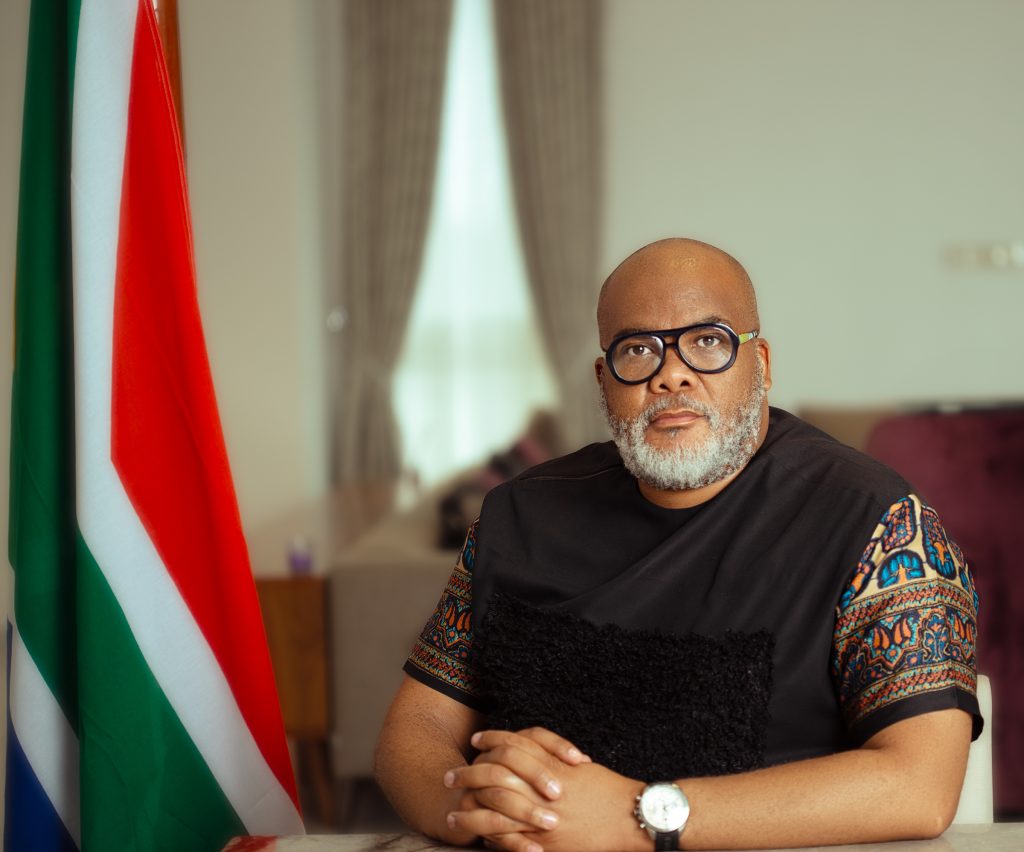
The figure was made public by South Africa’s Consul General to Nigeria, Prof Bobby Moroe, at the Nigeria South Africa Chamber of Commerce Breakfast Forum in Lagos this week, themed “The Future of Nigeria South Africa Relations: Advancing Bilateral Cooperation in a Changing World.” Moroe said the suspects were picked up across five to six provinces as security agencies moved to dismantle groups that had seized immigration enforcement for themselves, adding that investigations were continuing and further arrests were likely.
Moroe rejected claims that the South African government was behind the violence, calling such reports “fake news,” and stressed that the country’s Constitution protects documented and undocumented migrants alike. “About 80 people involved in these acts of criminality and members of vigilante groups have been arrested in about five to six provinces, and the law is taking its due course,” he said. He also pointed to what he described as a breakaway faction of the March and March movement, framing it as evidence that pressure to enforce the law was taking hold.
The unrest Moroe was addressing is not new, but it has sharpened in 2026. The latest wave was ignited in late April by March and March, a movement founded in 2025 by former broadcaster Jacinta Ngobese-Zuma, and sustained by Operation Dudula, a 2021 outfit whose name means “force out” in Zulu and which became a political party in 2023. The groups have checked identity documents in the streets, blocked foreign nationals from public clinics and targeted foreign owned shops, while setting a June 30 deadline for undocumented foreigners to leave.
The toll has been heavy over the years. Xenowatch, a monitoring project at the University of the Witwatersrand, records more than 430 deaths in xenophobic attacks since 2008, the year 62 people were killed in nationwide violence that began in Alexandra Township. Further waves followed in 2015, 2019, which largely targeted Nigerians, and 2021 into 2022. Under the current enforcement drive, official South African figures cited in late July put repatriations at more than 72,900, with 354 criminal cases registered and nearly 29,000 immigration matters finalised in court.
Friction with Nigeria has run through the period. The Federal Government summoned Moroe, then acting High Commissioner, in early May, and Foreign Affairs Minister Bianca Odumegwu-Ojukwu announced voluntary repatriation flights while noting that retaliatory measures were “not off the table.” Abuja has demanded justice and compensation, and on 27 July renewed calls for “concrete” action, even as both governments agreed at talks in Abuja to lower the temperature.
The dispute has now reached the African Union. At a meeting of foreign ministers in Addis Ababa, Ghana asked that violence against African migrants be placed on the agenda of the bloc’s mid year coordination meeting billed for October in Egypt. The motion was not adopted. South Africa’s Minister of International Relations and Cooperation, Ronald Lamola, argued the gathering, which draws only 12 heads of state, was too narrow a forum, and pushed instead for a standalone continental conference on migration to examine the push and pull factors driving movement across borders. He cited a 2015 AU Assembly decision and a 2019 Peace and Security Council communique that had called for such a conference, never held.
For now, the question of how and where Africa confronts Afrophobia stays unresolved, even as Pretoria insists the perpetrators do not represent the country.