
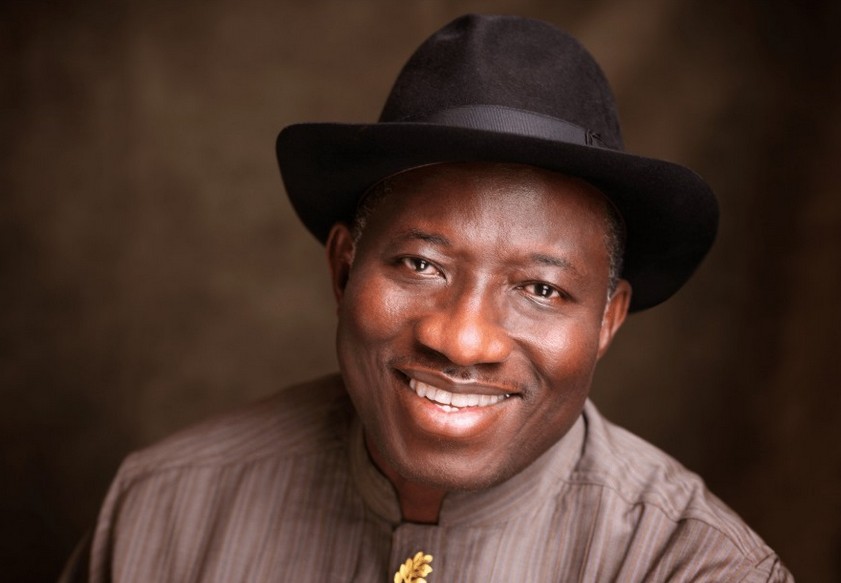
Former President Goodluck Jonathan has warned that Nigeria must replace self-serving politics with honest, visionary leadership to repair its dented international standing. Delivering the keynote address at the third Paul Alaje Colloquium in Abuja on Saturday, November 21, 2026, he argued that slogans and public relations cannot mask institutional decay. Respect abroad starts with order at home.
Mr Jonathan contrasted today’s political dysfunction with the 1960s and 1970s, when foreign powers ranked Nigeria alongside emerging giants like Brazil and Malaysia. Back then, Abuja helped liberate southern Africa, sent disciplined peacekeepers into Liberia and Sierra Leone, and commanded real diplomatic weight across the continent. Nostalgia proves comfortable on a conference podium, yet it highlights just how far state capacity has slipped.
Modern Nigerian politics often resembles a private auction rather than a contest of public policy. The former president rebuked office-seekers who hire outside consultants to write party manifestos they neither read nor understand, while treating public treasuries as personal piggy banks. Voters quickly lose faith when leaders hoard wealth instead of investing in young citizens.
To show what focused governance looks like, Mr Jonathan pointed to the late Obafemi Awolowo’s compulsory education drive in the old Western Region. That single policy built a deep pool of skilled professionals and gave the South-West more university professors than the rest of the country combined. Lasting legacies grow from classrooms and factories, not from motorcades and mansions.
Failure at the top now carries an immediate penalty for ordinary Nigerians at every foreign airport border. Mr Jonathan noted that widespread insecurity, graft, and weak institutions have turned the green passport into an obstacle that triggers harsh visa curbs worldwide. Individual doctors, engineers, and Afrobeats stars still win global acclaim, yet their personal brilliance cannot redeem a state that struggles to keep its own citizens safe.
Reversing this decline requires merit-based political recruitment, credible elections, and steady spending on schools, clinics, and farms, drawing lessons from disciplined reformers in Singapore, India, and South Korea. Colloquium convener Paul Alaje added a blunt reminder that Nigeria suffers no shortage of conferences or diagnostic reports, only a chronic refusal to turn paper plans into daily reality. Until leaders treat public office as a strict trust rather than a payday, foreign capitals will keep viewing Africa’s largest democracy with polite scepticism.