
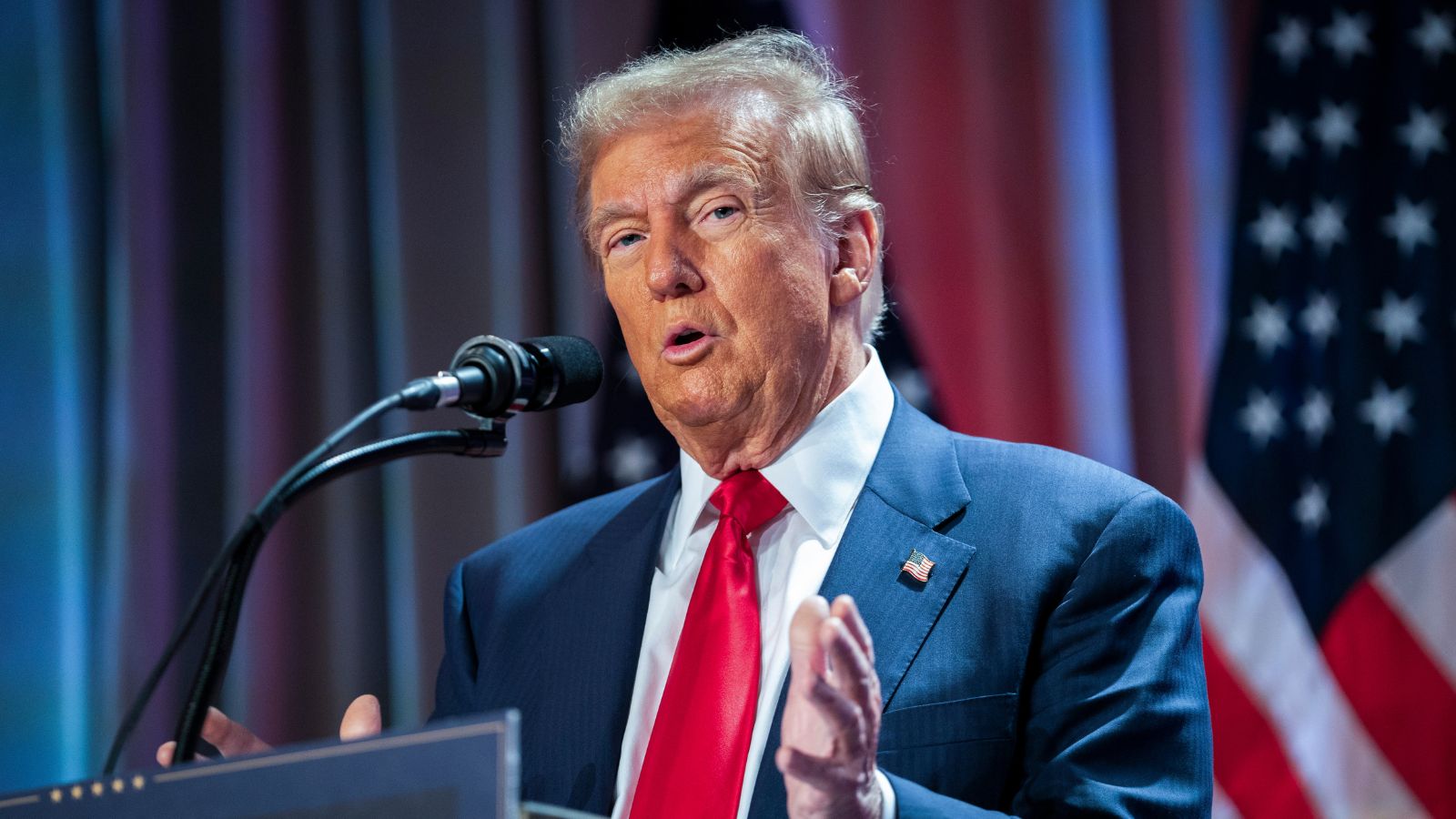
Donald Trump has turned down an Iranian offer for a swift seven-day ceasefire, betting that military strikes will yield better terms than compromise. Reports published on Saturday, 26 September 2026, reveal that the American president dismissed the proposal to halt regional hostilities and unblock the Strait of Hormuz. Mr Trump expects the Pentagon to resume aerial bombardment against Iranian assets once voters finish casting ballots in the November midterm elections. Short-term diplomatic fixes hold little charm for the White House. The decision leaves international maritime corridors shut, energy markets rattled, and regional conflict running hot.
Tehran designed the offer to exploit domestic political anxiety in the United States over soaring pump prices. Speaking to reporters on the sidelines of the United Nations General Assembly in New York, Iranian Foreign Minister Abbas Araghchi made clear that the naval chokehold stays in place until Washington yields. The draft deal required the White House to lift its naval blockade on Iranian ports, unfreeze twelve billion dollars in foreign currency, and halt active operations across the region. Iran misread the American political calendar. Mr Araghchi gambled that the looming midterm vote would force the White House to trade strategic leverage for quick relief at the petrol pump.
The strategy failed because the White House sees temporary pauses as traps that leave adversary arsenals intact. American officials maintain indirect talks with Iranian diplomats through intermediaries in Qatar and Pakistan, yet negotiators hit a wall on fundamental nuclear demands. Tehran insists its atomic project remains non-negotiable, while Washington demands verifiable curbs before lifting sanctions. The refusal to compromise guarantees prolonged economic pain for global supply chains. Tankers must continue their costly journeys around southern Africa. International shipping rates climb higher with every week that Persian Gulf waters stay hostile.
The White House gamble carries immense risks. Striking Iranian infrastructure after the elections could spark wider regional warfare and drive global crude prices to historic highs. At the same time, the Iranian clerical establishment faces dwindling cash reserves, rising domestic discontent, and strict economic isolation. Neither side wants to look weak before its home audience. Washington prefers military coercion, while Tehran leans on commercial disruption. The standoff now hardens into a protracted war of attrition that diplomacy cannot easily resolve.
Both capitals have painted themselves into rigid corners. By dismissing the seven-day framework, Mr Trump removes the only active diplomatic escape route from the current naval stalemate. Tehran has staked its sovereign credibility on keeping the waterway closed, leaving commercial shipping hostage to military brinkmanship. War by economic attrition will continue. As winter approaches, the cost of this tactical stubbornness will land squarely on world energy consumers.