
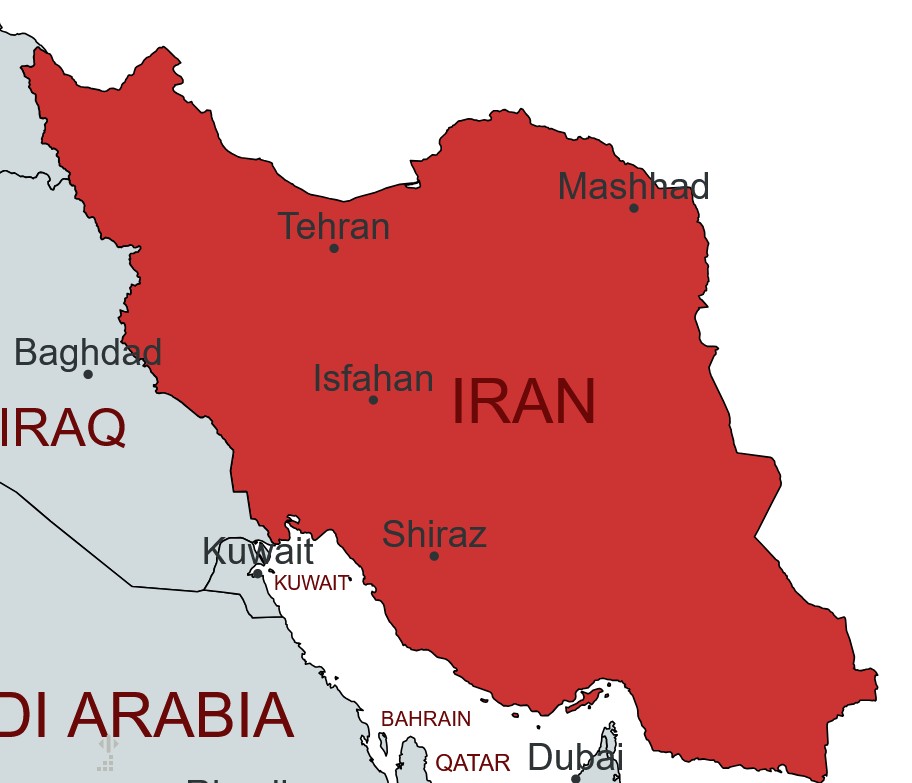
Tehran has placed the world’s most critical maritime bottleneck directly on the diplomatic table. President Masoud Pezeshkian announced on Saturday, 26 September 2026, that Iran’s Supreme Leader backed a comprehensive proposal to reopen the Strait of Hormuz. In an interview broadcast by American network CBS and published via official state media, Mr Pezeshkian confirmed that his government coordinated every detail of the initiative with the clerical leadership before approaching Western interlocutors. The plan hinges on immediate American concessions. Iran demands the unfreezing of 12 billion dollars in sovereign assets, the removal of punitive oil sanctions, and a prompt end to the United States naval blockade in regional waters. The standoff tests global nerves.
A specialised six-member council in Tehran now holds direct authority to steer the negotiations. This high-level group integrates delegates from the Iranian armed forces, parliament, and the executive branch, ensuring that the armed services align with the civilian presidency. Iranian Foreign Minister Abbas Araghchi spent the past week engaging foreign officials on the fringes of the United Nations General Assembly in New York, presenting terms rooted in an earlier memorandum negotiated in June. The proposal demands a seven-day pause in hostilities across the Middle East, including active fighting in Lebanon. Iran wants relief from economic pressure. Its leaders recognise that naval chokeholds offer their strongest lever against Western power.
Washington remains cold to the overture. While the White House has yet to deliver an official response, reports suggest President Donald Trump already dismissed the framework as unacceptable. The American administration refuses to swap sanctions relief for short-term maritime access while regional proxies stay armed. Nearly seven months of military deadlock have crippled normal commercial navigation through the Persian Gulf, forcing international tankers onto perilous, expensive detours around Africa. Energy markets remain deeply volatile. Both powers now find themselves trapped in a costly standoff where neither side can retreat without losing face.
By publicly securing the Supreme Leader’s imprimatur, Mr Pezeshkian signals that the proposal carries genuine domestic authority rather than mere diplomatic posturing. The Iranian president wants to convince sceptical Western negotiators that his government can deliver on its pledges without interference from hardline factions. Yet linking commercial transit through international waters to broad sanctions relief resembles basic extortion to officials in Washington. The White House insists that open navigation is a global right rather than a bargaining chip for frozen funds. Tehran views the matter differently. The clerical regime treats commercial shipping as a primary instrument of survival.
The deadlock shows no signs of breaking quickly. Tehran’s domestic finances deteriorate under the American embargo, driving the clerical establishment to seek urgent cash injections to placate its own restive population. Conversely, Washington shows little appetite to ease its pressure campaign ahead of upcoming domestic political tests. The maritime crisis will drag on. Until one side blinks, oil tankers will steer clear of the Gulf, and the world economy will continue to pay the price of an unresolved regional conflict.