
Nigeria’s power distribution companies collected N205.53bn from consumers in July, converting higher tariffs into record monthly receipts while basic supply remains fragile. The Nigerian Electricity Regulatory Commission released the data on Friday, 25 September 2026, in its Commercial Performance Factsheet. DisCos received energy worth N333.94bn from the national grid during the period and billed electricity users N250.79bn. Stronger collection rates mask chronic shortfalls across the supply chain.
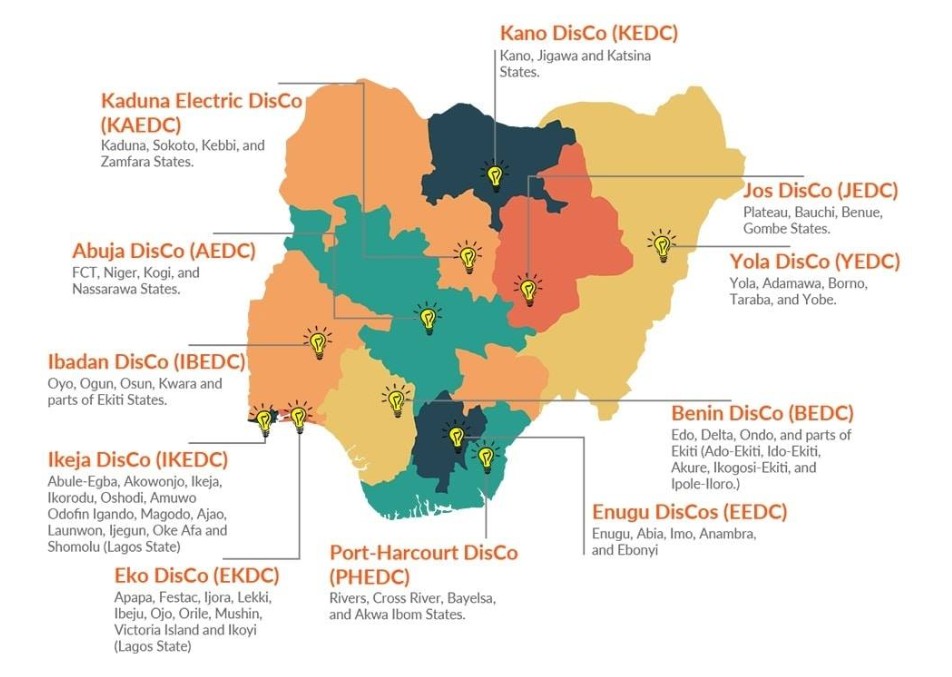
The regulator noted sharp performance divides among the country’s regional monopolies. Eko Electricity Distribution Company led revenue efficiency in Lagos with a collection rate of 94.67 per cent. Port Harcourt followed at 84.95 per cent, while Benin secured third place with 79.15 per cent. Urban centres yield far higher compliance. Industrial customers and metered households in the south pay up reliably, subsidising a system that regularly falters elsewhere.
Northern operators face an entirely different commercial reality. Kaduna DisCo recorded the lowest collection efficiency in the country at just 39.71 per cent. Jos struggled at 46.27 per cent, while Kano managed to recover only 55.41 per cent of its customer billings. Arrears accumulate rapidly in poor consumer markets. Millions of households in these service areas rely on unmetered estimated billing, which fuels deep distrust and consumer refusal to settle monthly invoices.
The gap between total energy supplied and ultimate cash collected exposes the sector’s lingering insolvency. DisCos took delivery of wholesale electricity worth N333.94bn but failed to invoice more than N83bn of that power due to technical faults, theft, and leaky distribution networks. Even on the N250.79bn billed to customers, companies lost more than N45bn in uncollected revenue in a single month. Massive revenue leakages hollow out the books. Tariff increases cannot cure structural rot.
A persistent liquidity deficit prevents power firms from upgrading obsolete substations, replacing burned transformers, or buying enough prepaid meters. Until regional distributors eliminate billing disputes and stop network losses, the grid will stay locked in a vicious commercial cycle. High monthly revenues please the regulator in Abuja. Real reform demands reliable daily electricity across Nigeria.