
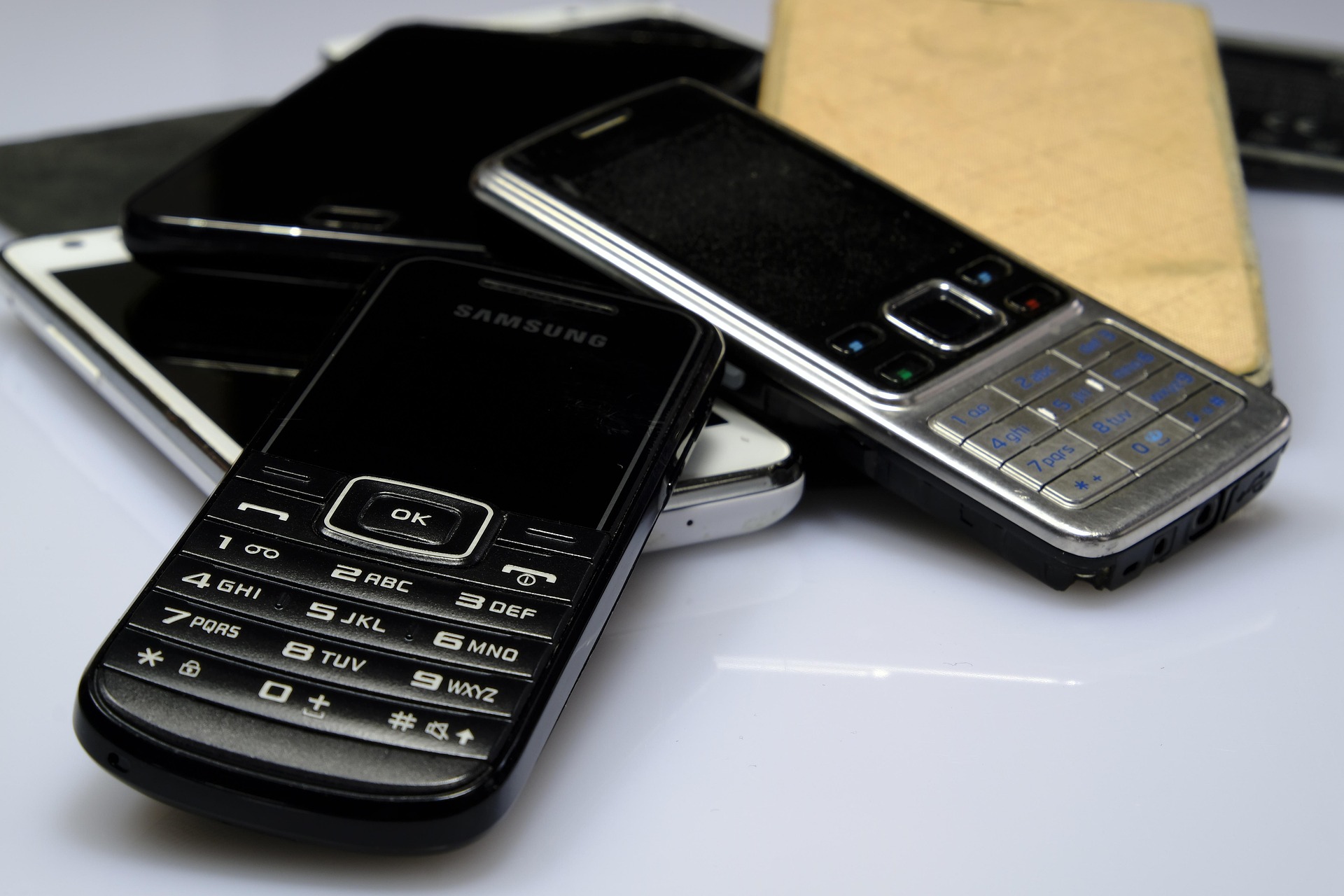
Three out of four Nigerians now own a smartphone, up from 64 per cent in 2023. A joint study by KPMG and Orange Group Nigeria, sampling 13,251 consumers across 12 cities, documents this shift towards web-enabled handsets. Cheap handheld devices and an overwhelmingly youthful populace drive this rapid consumer migration away from legacy feature phones.
Mobile screens now serve as the primary gateway for daily commerce, transport, and banking. Official figures from the Nigerian Communications Commission reveal active internet subscriptions hit 157 million in May 2026, with data consumption topping 1.5 million terabytes. Cheap silicon alone cannot guarantee prosperity.
Beneath these glowing top-line statistics lurks a crippling technical bottleneck. Over a third of mobile subscribers remain trapped on antiquated second-generation networks that cannot handle complex modern applications. A sluggish pipe chokes productivity.
A wider usage gap also exposes the sharp limits of device-led digital policy. Industry tallies from the GSMA indicate roughly 140 million Nigerians still live within broadband range without ever buying a single byte of internet traffic. Cost barriers and patchy power networks render sophisticated handsets functionally dumb.
Policymakers who mistake handset sales for economic inclusion will misread the country’s development trajectory. Genuine participation demands hefty capital expenditure on fibre lines, reliable base stations, and digital literacy rather than mere hardware counts. A modern phone needs modern rails.