
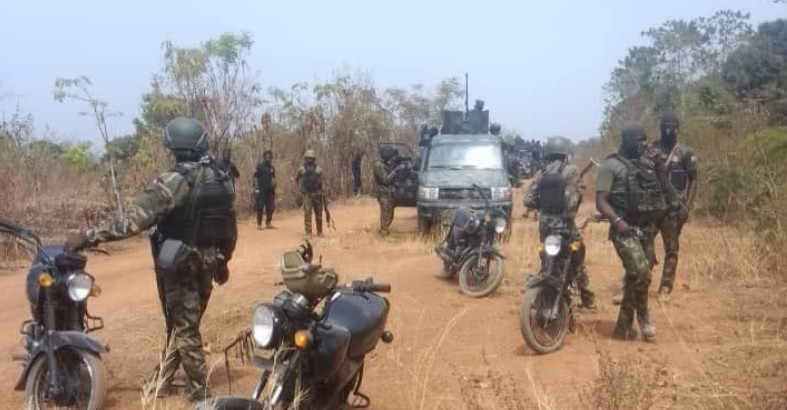
Nigerian troops rescued over 60 kidnapped hostages and arrested 44 suspects during coordinated security sweeps across the country, Defence Headquarters announced on Friday, 25 September 2026. The weekly operational bulletin from Abuja tracks multi-theatre actions that stretch from forest hideouts in the north-west to oil bunkering hubs across the Niger Delta. Military spokesmen present the figures as evidence of sustained offensive pressure against rural kidnapping gangs and armed insurgencies. The operational rhythm remains relentless. Yet these repetitive casualty counts and recovery tallies highlight a grim, grinding war of attrition where the state reacts to kidnappings rather than preventing them.
The rescued hostages regained their freedom through tactical raids conducted by joint task forces that include regular soldiers, local hunters, and state vigilante groups. Ground troops tracked armed bandits into remote scrublands, forcing gang members to abandon their captives during intense gunfights. Kidnapping has evolved into Nigeria’s most lucrative cottage industry, thriving wherever public roads run through ungoverned forests. The army clears a camp, frees half a dozen families, and marches on. Another kidnapping cell immediately occupies the vacated corridor.
The arrest of 44 suspects offers a modest intelligence victory for military commands that often rely on raw firepower over methodical detective work. Soldiers seized small arms, assorted ammunition, and logistics supplies from the arrested couriers, cutting local supply chains that feed armed bands in the bush. Keeping rural gangs supplied requires complicit fuel attendants, crooked traders, and compromised community informants. The illicit market adapts swiftly. Unless prosecutors secure rapid convictions in civilian courts, administrative roundups do little to deter fresh recruits who seek quick ransoms.
The tactical problem lies in deploying the Armed Forces of Nigeria as a permanent national constabulary. Nigerian soldiers now handle internal policing in nearly all 36 states, guarding farming villages, patrolling transit highways, and chasing livestock thieves across savannah boundaries. Regular army units cannot replace an absent local civil police force. Troops arrive hours after bandits stage midnight raids, rescue whoever survives, and then withdraw to fortified bases. Rural communities remain dangerously vulnerable between patrols.
These latest rescues demonstrate physical bravery by soldiers operating under extreme combat fatigue. The Defence Headquarters will celebrate the numbers, but tactical rescues do not fix broken village policing. Nigeria’s hinterlands require permanent security posts, armed rural patrols, and effective judicial consequences for kidnapping networks. Tactical firefights cannot hide the reality of vast ungoverned spaces. Until the federal government secures these open rural borders, military rescue figures will remain an unending balance sheet of national insecurity.