
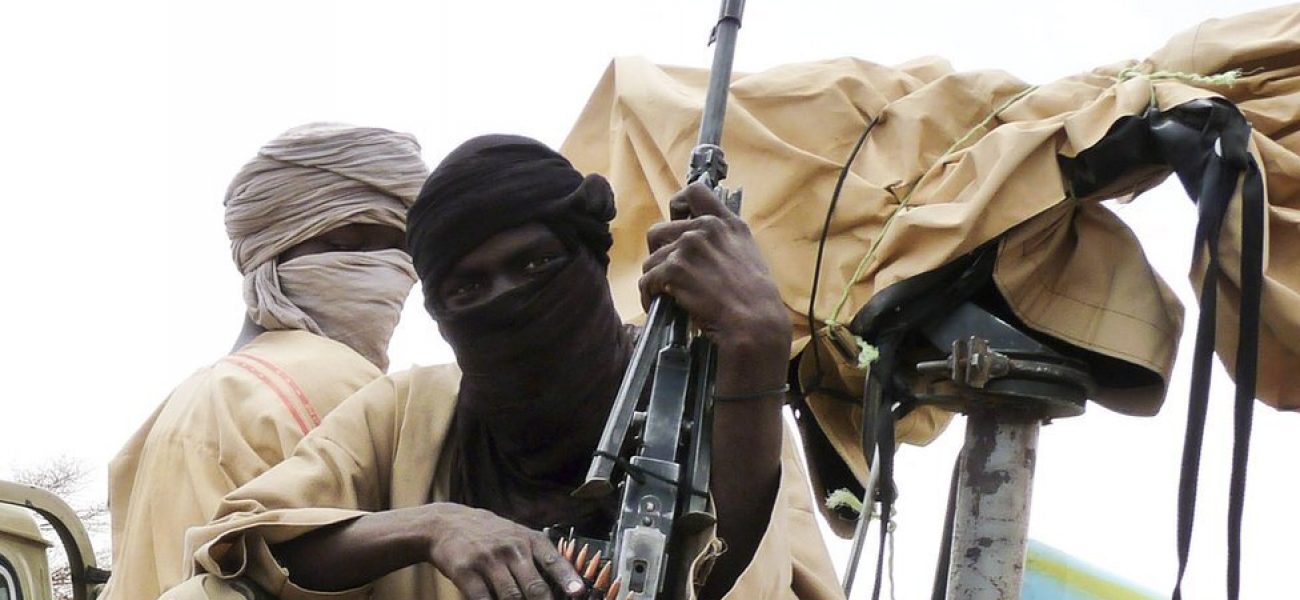
Armed raiders killed a Nigerian soldier, a pregnant woman, and a local hunter on Tuesday night during a violent raid on rural communities in Taraba State. Suspected bandits stormed Sarkin Yamma village near the Jeb-Jeb area of Karim-Lamido Local Government Area before expanding their assault across nearby settlements. The attackers seized more than fifteen residents from their homes, dragging them into dense forest reserves along the Benue River corridor. Fatalities follow familiar patterns.
The assault highlights severe tactical vulnerabilities across remote border communities in Nigeria’s North-East region. Local security volunteers joined military personnel stationed in the area to resist the night raid, but superior firepower enabled the assailants to overrun defensive positions. Community leaders reported that the gunmen operated unhindered for hours, burning local grain stores and looting retail shops before pulling back. Rural citizens pay the ultimate price.
State authorities face mounting public pressure as rural kidnapping networks expand their operational reach southwards from traditional strongholds. Taraba State Governor Agbu Kefas visited military installations in the region on Wednesday to demand aggressive counter-insurgency operations across riverine transit routes. Senior military commanders have deployed additional reconnaissance units to track the criminal gang and secure the release of the abducted villagers. Tracking hostages across dense river basins requires sustained aerial surveillance and reliable human intelligence.
Insecurity across agrarian belts threatens food supply chains and drives rural displacement during the peak harvest season. Local farmers increasingly abandon their unharvested crops out of fear of targeted attacks and ransom abductions by roaming criminal cartels. High rural risk premiums raise urban food prices across neighbouring commercial distribution hubs. Strategic defence plans must convert into direct protection for vulnerable agricultural communities.
The loss of active military personnel highlights the heavy human toll exacted on security forces defending isolated rural outposts. Outnumbered army detachments frequently struggle to secure vast territorial expanses against mobile, highly armed criminal bands. Rebuilding community trust demands fast tactical responses and continuous military presence across vulnerable border councils. Empty promises will not protect farmsteads.
Security agencies must dismantle the logistical networks that supply weapons and fuel to criminal syndicates operating in the state. Local authorities must strengthen early-warning systems to alert security units before raids occur. Restoring law and order across rural Taraba remains essential for regional economic stability. Lasting security requires firm military resolve and active community participation.