
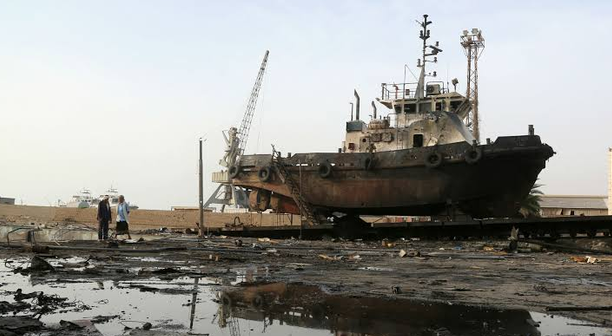
The Saudi-led military coalition launched airstrikes on Yemen’s Hodeidah port early on Wednesday, sharply escalating a wider regional conflict along the Red Sea. Coalition spokesperson Major General Turki al-Malki stated that the raids targeted Houthi military and operational capabilities at the harbour, alongside separate strikes in northern Yemen’s Saada and Amran governorates. Hours before the bombardment, Saudi forces issued evacuation warnings for civilians living near the port, while air defences intercepted seven incoming drones over Saudi Arabia’s Eastern Province.
The strikes came directly in response to a Houthi drone attack that hit Riyadh’s tallest skyscraper on Tuesday, injuring at least 11 people. Fighting between Riyadh and the Iran-aligned militia has intensified steadily since July, unfolding alongside the broader United States conflict with Iran. Houthi media outlet Almasirah confirmed the Wednesday morning attack on Hodeidah, though authorities reported no immediate casualties.
Yemen’s Houthi movement had warned only hours earlier that any strike on Hodeidah would turn every Saudi Red Sea port into a legitimate target. Military spokesperson Yahya Saree named Jeddah specifically and urged port workers, nearby residents, and international shipping firms to clear out immediately. That threat raises the risk of a tit-for-tat maritime war stretching from the Persian Gulf straight into the Red Sea.
Hodeidah serves as the primary commercial and humanitarian lifeline for millions of people living across Houthi-controlled northern Yemen. Previous coalition strikes on the port have damaged cranes and storage yards, forcing relief agencies to warn that prolonged closures could choke off food and medicine deliveries. While coalition commanders insist they only hit weapons-smuggling and missile infrastructure, any sustained disruption hits ordinary Yemenis hardest.
Commercial shipping companies now face compounding hazards across two of the world’s busiest maritime trade corridors. With naval mines already threatening tankers in the Strait of Hormuz, open drone and missile exchanges around Jeddah and Hodeidah could push freight and war-risk insurance costs even higher. Global supply chains and energy markets remain acutely vulnerable as local proxy battles merge into a single regional front.
Tit-for-tat strikes on commercial ports turn vital civilian trade hubs into primary weapons of war. Neither Riyadh nor the Houthis appear willing to absorb a blow without hitting higher-value economic infrastructure in return. Unless diplomatic pressure halts this spiral, Red Sea shipping lanes will soon mirror the paralysis gripping the Persian Gulf.