
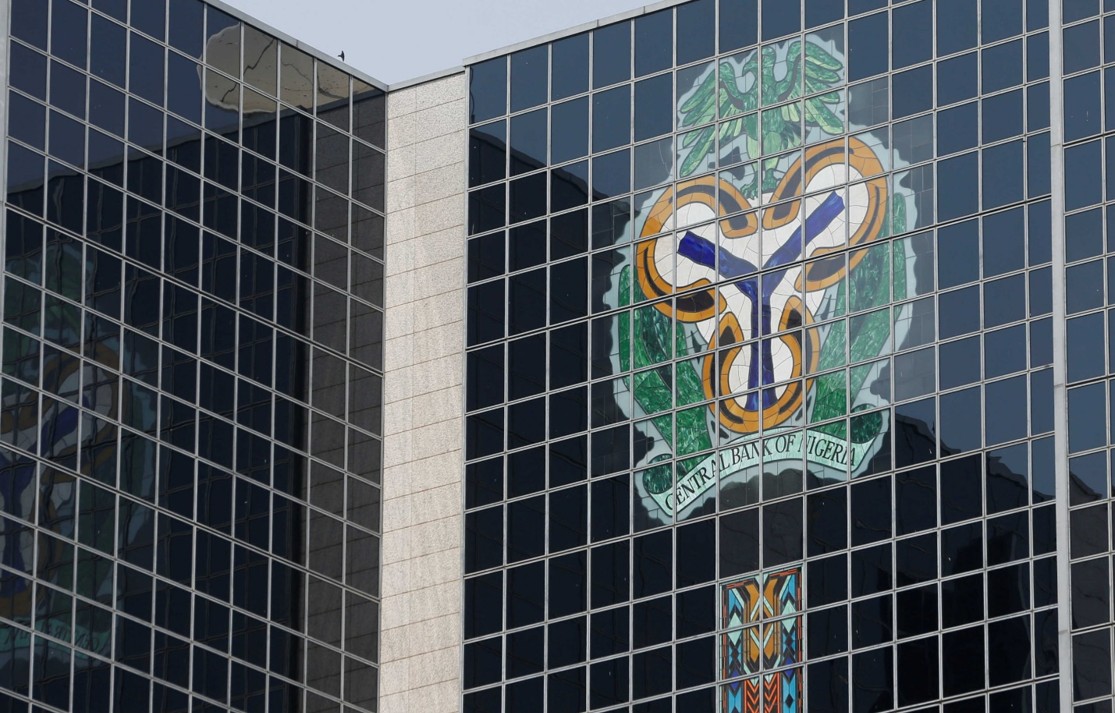
The Central Bank of Nigeria held its benchmark interest rate steady at 23 per cent on Tuesday, pausing an easing cycle to guard against campaign-driven price pressures. Governor Olayemi Cardoso announced the decision in Abuja at the end of the Monetary Policy Committee’s 308th meeting, its final scheduled session before January’s national elections. Policymakers opted for caution even as headline inflation cooled for a fifth consecutive month.
Rate-setters left every supporting liquidity lever untouched alongside the headline policy rate. The committee retained the asymmetric corridor at plus 50 and minus 300 basis points around the Monetary Policy Rate, while holding the cash reserve requirement at 45 per cent for commercial banks and 16 per cent for merchant banks. Non-Treasury Single Account public-sector deposits remain locked at a 75 per cent reserve ratio to prevent excess naira liquidity from spilling into foreign exchange markets.
Cardoso pointed directly to impending political outlays as a primary threat to Nigeria’s fragile disinflation trend. While annual headline inflation slowed to 14.06 per cent in October from 14.63 per cent in September, the governor warned that campaign spending and year-end festive demand could swiftly reignite consumer prices. Holding borrowing costs firm allows the bank to anchor inflation expectations while pushing toward its long-term goal of single-digit price growth.
Tuesday’s pause follows a dramatic 350-basis-point rate cut in September that signalled confidence in the naira’s recovery. Stronger external buffers, steady foreign exchange conditions, and monthly diaspora remittances exceeding $900 million have given Abuja more room to manoeuvre than it enjoyed a year ago. Yet rate-setters judged that cutting twice in a row before a fiercely contested vote would invite unnecessary currency speculation.
Businesses hoping for cheaper credit to close out the year will have to wait until after ballots are cast. Commercial lending rates remain elevated under a 23 per cent anchor, keeping working capital expensive for manufacturers and small firms already squeezed by high energy bills. For fixed-income investors and domestic pension funds, however, steady yields preserve the appeal of government securities over riskier assets.
Central bankers rarely enjoy the luxury of loosening policy while politicians prepare to flood the economy with campaign cash. By standing pat at 23 per cent, Cardoso has chosen currency stability and hard-won price gains over short-term relief for borrowers. Whether monetary discipline can hold back an election-year liquidity surge will test the bank’s resolve well into early 2027.