
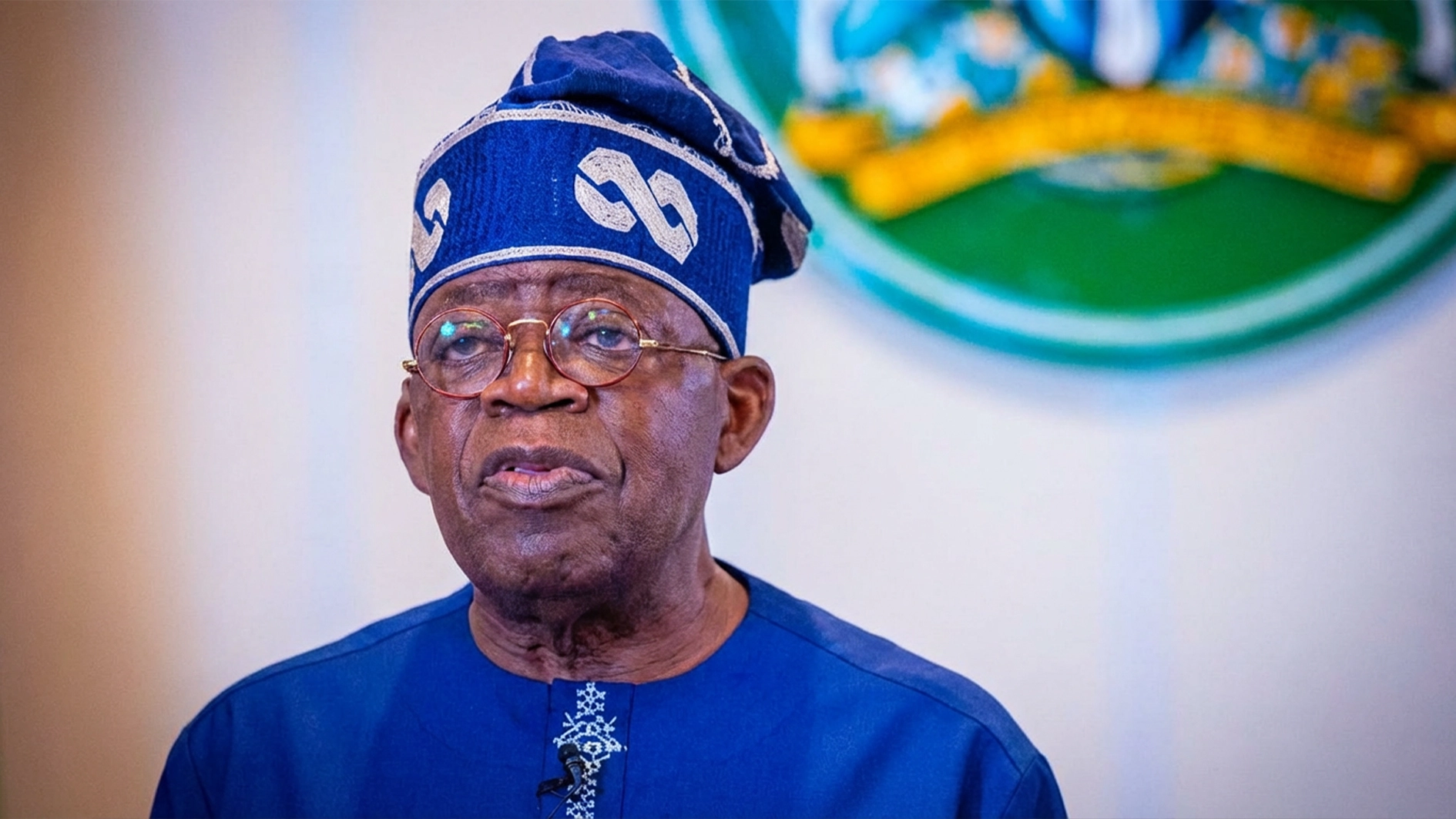
President Bola Tinubu has approved the expansion of the Nigerian Army from eight to twelve divisions. The ambitious military restructuring includes the immediate recruitment of twenty-eight thousand new personnel to boost operational capacity. Chief of Army Staff Lieutenant General Waidi Shaibu announced the sweeping reform during a military conference in Abuja. The expansion creates specialized formations to counter persistent threats ranging from Boko Haram insurgency to rural banditry. Decades of troop shortages have left existing brigades dangerously overstretched across multiple conflict zones. Central authorities hope more boots on the ground will finally restore order.
The four new divisions will deploy strategically across high-risk regions to close critical security gaps. Two formations will cover vulnerable border corridors in the North-West and North-East, where criminal syndicates operate freely. A dedicated amphibious division will secure oil infrastructure across the Niger Delta to protect vital state revenue. The final division will strengthen counter-insurgency operations throughout the Middle Belt. Federal authorities aim to establish permanent troop presences rather than relying on temporary emergency deployments.
Recruiting twenty-eight thousand soldiers presents a massive logistical and financial challenge for state treasuries. Military academies must rapidly upgrade training facilities to process the influx without lowering professional standards. Defence experts warn that expanding force size without improving tactical equipment yields limited combat success. Recruits require modern firepower, secure communication gear, and effective body armour to survive active combat. Federal lawmakers must ensure defense allocations reach frontline units rather than dissolving into administrative overhead.
The military expansion coincides with parliamentary progress on establishing state police forces nationwide. President Tinubu seeks a dual strategy combining expanded federal firepower with localized civil policing. Sub-national security challenges require both heavy military intervention and intelligence-led local policing. The military currently handles civil security duties in nearly every state across the federation. Building greater troop capacity aims to relieve army units of routine policing so they can focus on counter-terrorism.
Pistols and uniforms alone cannot solve deep-seated regional insecurity. Military victories must be accompanied by effective governance, rural development, and economic opportunity in neglected regions. High unemployment and poverty continue to feed recruitment pools for insurgent groups and criminal gangs. Security forces need the trust and cooperation of local communities to gather actionable intelligence. The coming months will reveal if structural expansion translates into real physical safety for citizens.