
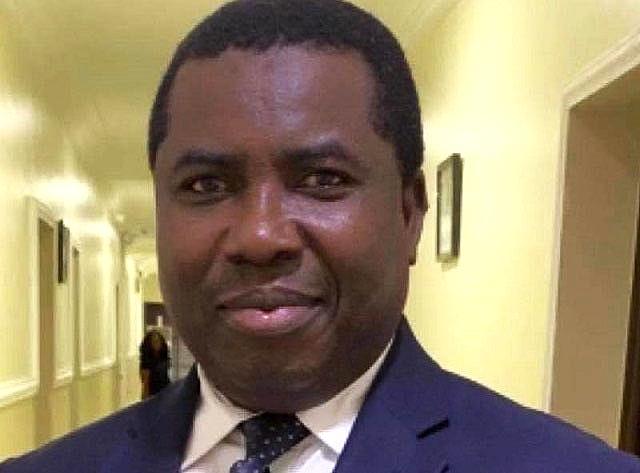
The Independent National Electoral Commission approved a new salary structure and raised state office funding on 6 November 2026 to prepare its workforce for the 2027 general elections. Commission Chairman Joash Amupitan unveiled the Consolidated Election Management Body Salary Structure alongside a 150 per cent increase in monthly operational grants for state branches. Electoral managers simultaneously cancelled all annual leave for permanent staff through the election cycle to keep operational units fully manned. Payroll expansion comes early.
Higher pay packets and enhanced hazard allowances aim to insulate field officers against commercial temptation during ballot operations. Previous election cycles exposed severe operational weaknesses, including delayed polling openings and compromised local officials across remote voting centres. Boosting field allowances directly targets administrative corruption while rewarding workers who handle sensitive election materials under difficult field conditions. State offices receive larger operational budgets to maintain regional logistics without relying on local government support.
Suspended leave policies force thousands of civil servants into mandatory election preparation work four months before initial voter registration drives commence. Senior directors must now coordinate voter register audits, equipment testing, and logistics mapping under strict federal timelines. The commission plans to deploy digital verification tools across all thirty-six states to prevent ballot rigging and voter record manipulation. Rigorous administrative discipline must replace past operational excuses.
Financing an expanded payroll alongside local office upgrades adds heavy financial weight to Nigeria’s growing public administration costs. The national electoral body requested over 870 billion naira from federal treasuries to cover technology upgrades, staff costs, and field operations. Managing vast public funds requires total financial transparency to prevent administrative leakage inside state secretariats. Throwing public money at logistical bottlenecks only works when operational oversight remains tight.
Political parties and civil society groups monitor the commission’s early preparations with deep interest ahead of contested state governorship and presidential races. Opposition leaders continue to question the independence of state electoral officers and the reliability of digital result transmission networks. Commission leadership insists that better pay and early field readiness will restore public trust in national election outcomes. High integrity demands operational discipline rather than empty public relations statements.
Paying electoral staff well will not guarantee clean elections if administrative logistics collapse on voting day. The electoral umpire must prove that larger budgets translate into punctual polling officials, functional verification devices, and transparent vote counts across every ward. State managers face an immediate test of operational competence as the 2027 timetable moves forward. Public trust rests on performance.