
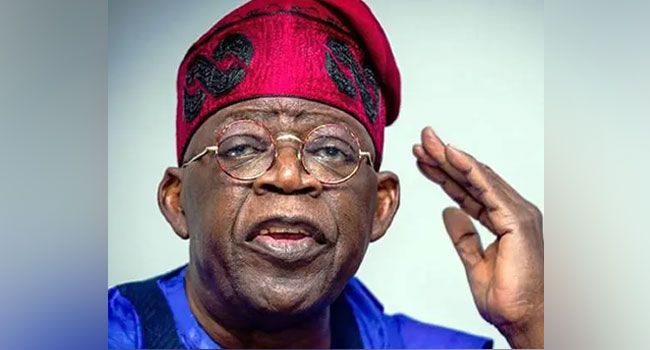
President Bola Tinubu has declared that the state will bring the perpetrators of the Oriire school abductions to full justice following a successful military extraction. In an official briefing from Abuja, the president confirmed that a joint security operation successfully neutralised several terrorists and apprehended eight suspects. The tactical raid ended a tense 56-day captivity for dozens of primary and secondary school pupils and their educators. The presidency is attempting to frame the breakthrough as a vindication of its multi-agency intelligence strategy.
The successful rescue operation involved direct tactical collaboration between the military, the Department of State Services, and the police. Presidential spokesperson Bayo Onanuga confirmed that security forces recovered the 45 remaining hostages from deep forest hideouts without recording any collateral damage. Crucially, the administration stressed that the rescue involved absolutely no quid pro quo or ransom concessions to the criminal network. The state actively refused a specific demand from the kidnappers to release a detained terrorist kingpin currently undergoing federal prosecution.
While celebrating the safe extraction, the president explicitly acknowledged the deep national trauma and loss marking the 50-day standoff. Tinubu focused his executive statement on the family of Michael Oyedokun, the mathematics teacher whom the terrorists gruesomely executed mid-way through the crisis. The administration vowed that the eight captured gang members, currently in secret police custody, will face maximum statutory penalties. Retaining public confidence requires the state to deliver highly visible judicial consequences rather than mere tactical victories.
The resolution of the crisis highlights a rare moment of seamless coordination between federal and subnational authorities. Tinubu highly commended Governor Seyi Makinde and the Oyo State Government for maintaining a unified administrative front throughout the grueling tracking phase. To manage the immediate humanitarian fallout, federal emergency agencies have moved into Ibadan to deploy specialized medical and psychological relief. However, the president paired his praise with a direct charge to subnational leaders to aggressively fortify rural school corridors.
The successful operation occurs against a backdrop of worsening national security data that continues to shadow the administration. Independent tracking metrics indicate that mass school abductions have escalated sharply over the last three years, testing public patience. While this particular extraction prevents a prolonged political catastrophe for the ruling party, it highlights a deeply reactive containment strategy. The military cannot permanently police every remote public classroom using emergency special forces.
Abuja must now transition from successful rescue operations to permanent territorial deterrence. The presidency previously argued that the Oriire raid proved the absolute necessity of fast-tracking state police legislation. Until those structural adjustments materialize, the state remains reliant on expensive, tech-driven tracking operations to fix border breaches. The public expects the government to use the intelligence gathered from the eight detained suspects to permanently dismantle the northern forest networks.