
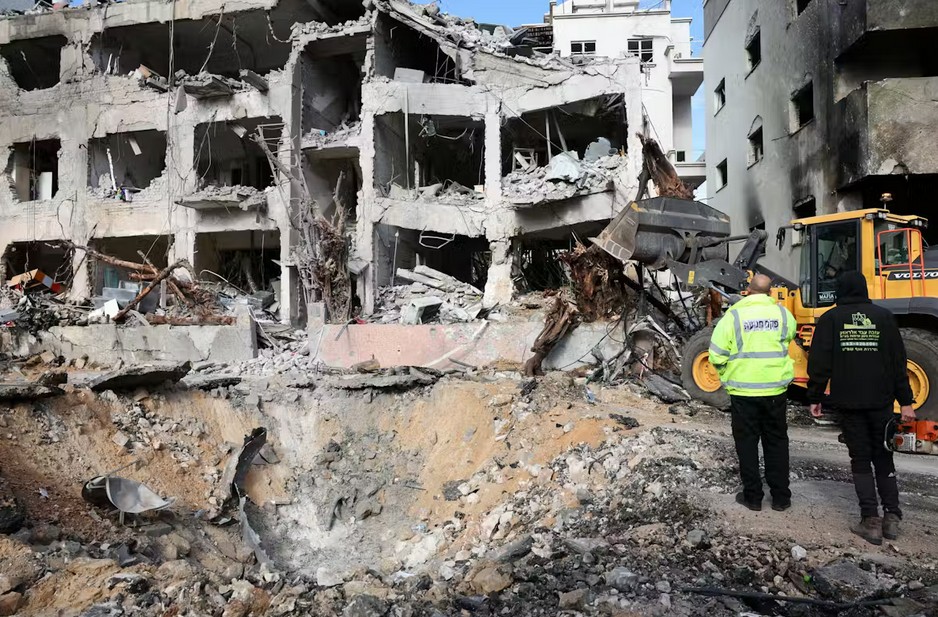
Iran launched fresh missile and drone strikes across the Middle East on Thursday, targeting strategic border crossings and Gulf allies. Tehran struck the Abdali border post between Kuwait and Iraq while hitting energy facilities in Jordan and Bahrain. US forces responded instantly with heavy airstrikes against Houthi military positions in western Yemen. The American action followed Houthi drone strikes on two crude oil tankers in the Red Sea. Regional violence has reached its most dangerous escalation point since hostilities began. The Middle East faces a total breakdown of maritime security.
The coordinated strikes demonstrate Tehran’s capacity to wage asymmetric warfare across multiple regional fronts simultaneously. Attacking the Kuwait-Iraq border crossing threatens critical land corridors for commercial goods and oil transport. Striking Bahrain directly targets the headquarters of the US Navy’s Fifth Fleet in the Persian Gulf. Jordan’s energy grid also took damage, threatening fuel supplies to key regional infrastructure. Gulf states find themselves trapped between Iranian aggression and American military guarantees. Defense systems across the Gulf remain on maximum operational alert.
Washington’s rapid retaliation highlights the growing burden on Western forces defending critical trade channels. US naval strikes destroyed several Houthi launch sites, radar installations, and storage facilities in Hudaydah. Yet allied military deployments have failed to stop recurring drone and missile launches against commercial shipping. Marine insurers continue to raise transit premiums for vessels entering Red Sea and Gulf waters. Shipping lines increasingly abandon shortest maritime routes in favour of costly detours around the Cape of Good Hope. Strategic trade corridors face structural paralysis.
Global energy markets reacted immediately to the sudden escalation along vital oil transit choke points. Benchmark crude prices surged towards one hundred dollars a barrel as traders priced in widespread supply disruptions. Energy analysts warn that further attacks on Gulf energy installations could trigger severe global supply shortages. Emerging economies face immediate inflationary threats from rising fuel and logistics costs. Central banks must now navigate another major geopolitical energy shock. Economic instability will spread far beyond the immediate conflict zone.
Diplomatic efforts to contain the expanding war remain entirely frozen. International calls for immediate de-escalation carry little weight among combatants committed to broader regional confrontation. UN Security Council members continue to trade accusations without producing actionable peace frameworks. Gulf monarchies must balance domestic political pressures with their strategic reliance on Western defense treaties. The risk of an unchecked, multi-state conflict grows higher with every regional strike. Warfare now dictates economic and political realities across the region.