
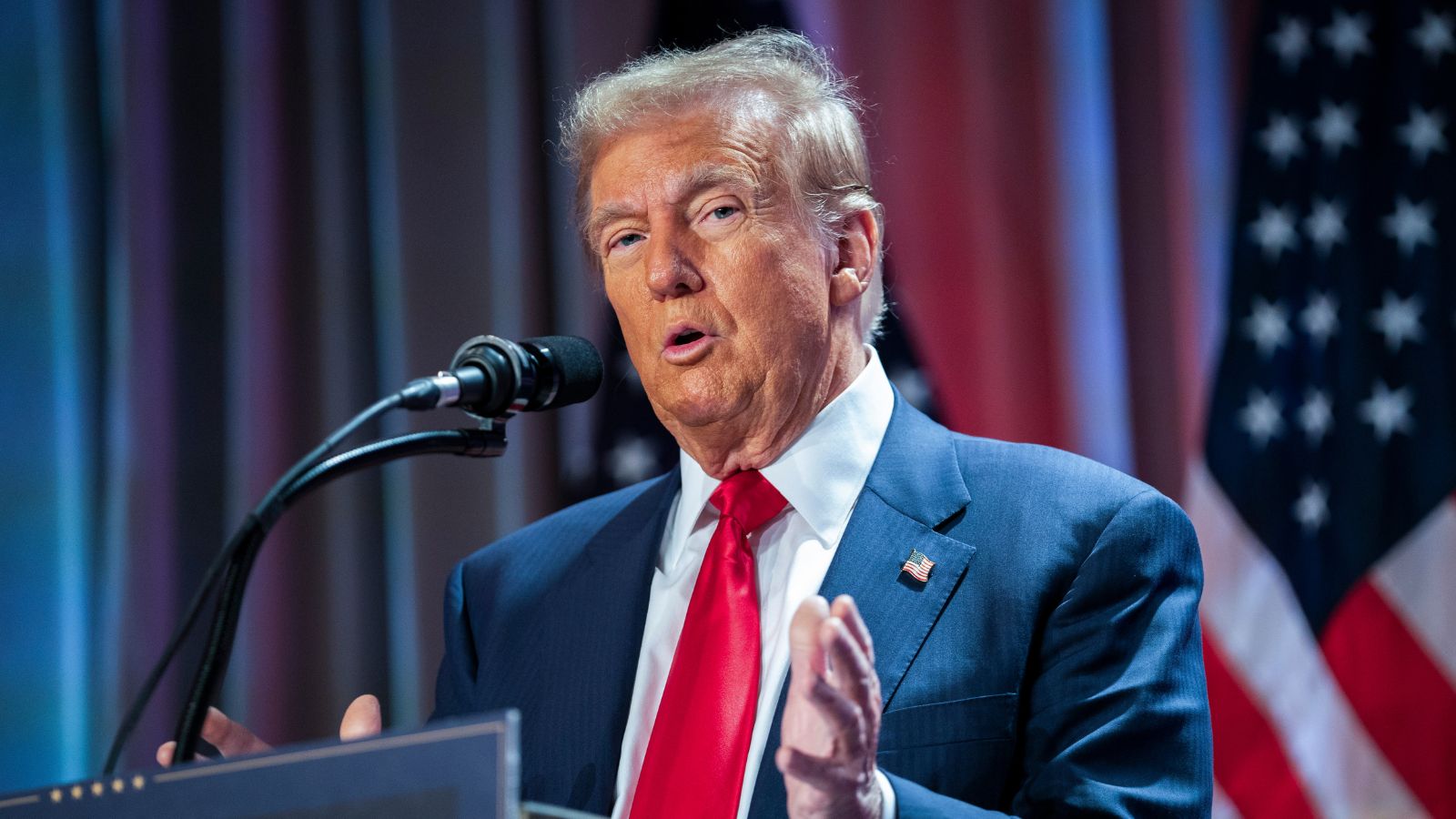
The United States has threatened a catastrophic military escalation against Iran after funeral crowds in Tehran openly called for the assassination of President Donald Trump. Washington has warned that its military units have a thousand missiles targeted directly at the Islamic Republic, ready for immediate deployment if any plot materialises. The dramatic escalation marks a complete fracturing of the fragile maritime truce that briefly calmed the Middle East. Abuja is closely monitoring the situation as global energy supply chains face a renewed threat of total disruption.
The massive diplomatic breach follows the days-long state funeral for Iran’s late Supreme Leader, Ayatollah Ali Khamenei, who was killed in a February airstrike. Hundreds of thousands of mourners marched through Iranian cities holding posters depicting Trump, Vice President JD Vance, and Israeli Prime Minister Benjamin Netanyahu in the crosshairs of gunsights. Demonstrators pelted billboards of the American president with stones, burned flags, and displayed signs demanding blood vengeance. Trump used his social platform to warn that the American military will completely decimate and destroy all areas of Iran if any attempt is made on his life.
The rhetorical warfare coincides with a total operational collapse of the regional maritime truce along the Strait of Hormuz. Senior American officials revealed that the resumption of hostilities this week was triggered by a rogue faction of Iranian hardliners determined to destroy the ceasefire. Washington has demanded that Tehran issue an immediate public statement confirming that the vital shipping channel remains open and free from harassment. The White House has given American negotiators a strictly limited timeline to salvage the talks before deploying a wide range of secondary military options.
The core dispute continues to hinge on the ultimate control of global energy corridors. Tehran insists that all maritime activity, including demining operations and transit management within the strait, rests exclusively under its sovereign jurisdiction. Iranian officials have even demanded that commercial vessels begin paying direct passage fees to the local treasury, a move the West considers illegal under international law. Because roughly twenty per cent of globally traded oil and natural gas transits through this narrow channel, the standoff has reignited global energy anxieties.
Regional intermediaries are working frantically behind the scenes to prevent a total military conflagration. Qatari diplomats have arrived in Tehran for emergency talks, while Turkish officials indicate that a secondary bilateral solution may be brokered through Oman this weekend. For now, the United States is actively instructing global mariners to bypass Iranian waters entirely, using southern routes through Omani territorial waters instead. This routing directive has deeply angered the new leadership in Tehran, which has responded with fresh attacks on transit vessels.
To further tighten the economic vise, the US Treasury has issued a wave of fresh sanctions targeting the inner circle of Iran’s new Supreme Leader, Ayatollah Mojtaba Khamenei. The financial penalties seek to completely cut off the foreign currency lifelines that sustain the ruling clerical elite. For Nigeria, a prolonged closure of the strait risks driving international oil prices back toward historic highs, complicating local fiscal management. The presidency must prepare for volatile commodity swings as Washington and Tehran edge closer to an all-out regional war.