
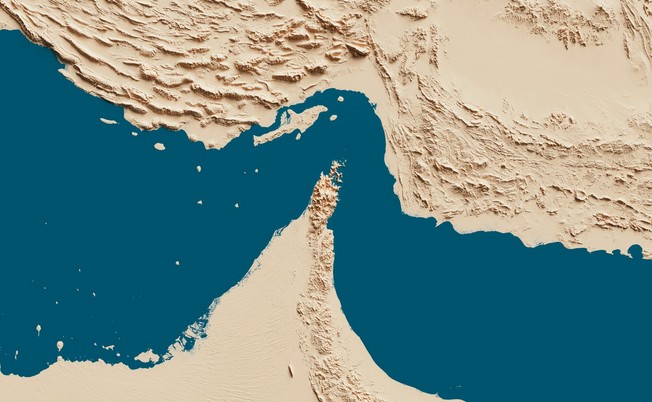
United States President Donald Trump claimed American forces have established total control over the Strait of Hormuz. His declaration follows a sharp escalation in maritime enforcement across the Persian Gulf trade passage. US Central Command reported firing Hellfire missiles to disable a cargo vessel attempting to dock at an Iranian port in breach of the naval blockade. Iranian security officials immediately rejected Washington’s claims, insisting the strategic waterway remains open for commercial navigation. This military posturing threatens to derail diplomatic mediation led by regional neighbors.
The rhetoric underscores deepening divisions between Washington and Tehran as talks to unblock maritime transit stall. Diplomatic discussions mediated by Pakistani officials hit an impasse after Washington demanded financial compensation for historical regional attacks. Iranian officials countered by demanding war reparations and the complete lifting of economic sanctions before reopening the waterway. Despite the political deadlock, American officials claim crude shipments through the strait continue under military escort. Market analysts warn that unpredictable enforcement actions keep global energy markets volatile.
The blockade has severely disrupted international shipping lines and inflated global logistics costs. Merchant vessels face strict naval inspections, extended transit delays, and soaring marine insurance premiums when navigating the Gulf. Washington insists the blockade targets Iranian trade while permitting neutral commercial passage. Tehran views the naval presence as a direct violation of its territorial sovereignty and maritime rights. Regional powers like Qatar and Oman continue quiet diplomatic efforts to establish a functional transit agreement.
Beyond the Persian Gulf, maritime conflict has spilled into adjacent trade corridors across the Middle East. Allied rebel forces in Yemen launched fresh missile attacks against commercial shipping in the Bab el-Mandeb Strait. These coordinated disruptions near vital chokepoints strain global trade networks and push up raw material prices. Developing economies face severe domestic cost pressures as freight charges and fuel costs rise. The prolonged maritime standoff demonstrates how regional conflicts can rapidly become global economic burdens.
Military analysts caution that asserting physical dominance over a narrow shipping lane carries severe operational risks. Mine warfare, asymmetrical drone attacks, and coastal missile batteries pose persistent threats to naval vessels and commercial ships. The Iranian military warned that reckless maneuvers by foreign warships could spark wider regional confrontation. Trump maintains that heavy military force remains the only effective tool to guarantee maritime access. Navies now brace for potential retaliatory strikes along key transit routes.
The confrontation at sea leaves global energy markets vulnerable to further supply shocks. Commercial shipping operators must balance rising operational risks against elevated freight rates across volatile maritime routes. Mediators face a shrinking window to forge a diplomatic compromise before clashes escalate further. Investors will closely watch central bank responses as persistent energy shocks feed broader inflation. The struggle for control over the Strait of Hormuz remains a critical flashpoint for global commerce.