
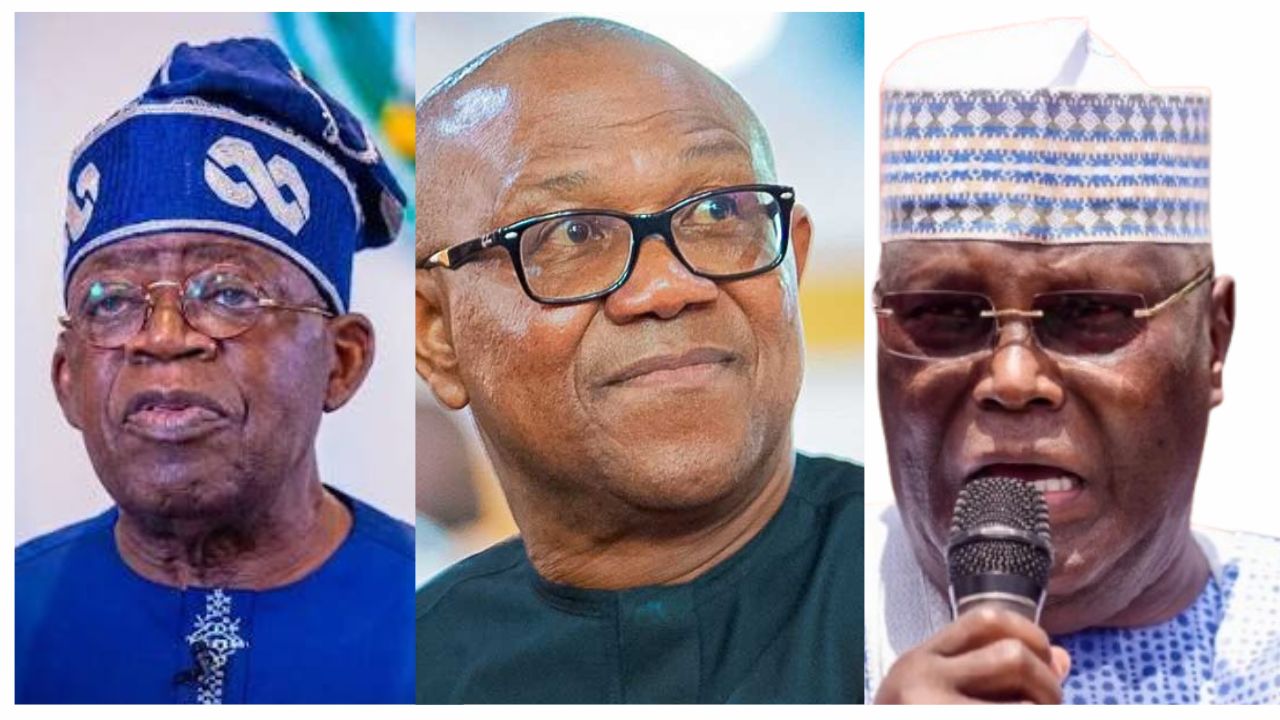
Nigeria’s leading presidential contenders have largely abandoned the campaign trail with barely ninety-four days left before the 2027 general election. President Bola Tinubu, former vice-president Atiku Abubakar, and their primary rivals now send governors, party foot soldiers, and hired surrogates to face voters instead of touring the federation in person. Power brokers fear open public scrutiny. Growing voter anger over expensive food, crushing fuel bills, physical infirmity, and lethal highway banditry forces these ageing political barons to hide behind regional proxies who speak to hand-picked crowds in safe provincial capitals.
Renting crowds and flying chartered aircraft across thirty-six states demands billions of naira that even established political machines struggle to raise in an economy crippled by double-digit inflation. Smaller parties face total bankruptcy under these runaway logistics bills, while wealthy ruling party chieftains calculate that huge stadium rallies invite embarrassing questions about broken promises and three years of harsh fiscal shocks. Crushing costs enforce an eerie silence. Opposition figures like Chekwas Okorie and Mustapha Bulama warn that this absence shrinks democratic debate, leaving impoverished citizens to watch hollow social media adverts instead of grilling the men who seek to govern them.
The ruling party sends regional loyalists like Vice-President Kashim Shettima and Federal Capital Territory Minister Nyesom Wike to lock down crucial northern and southern voting blocs through backroom deals. These surrogate tours resemble transactional horse-trading among political elites rather than genuine appeals to the common voter. Political bosses trade offices in secret. Ruling party managers insist they are merely following a disciplined internal timetable, but the calculated withdrawal of their standard-bearer from open town halls suggests an acute fear of spontaneous popular protests over expensive petrol and rising poverty.
Opposition strategists also make a profound mistake by retreating into smartphone screens and internet videos to avoid physical campaign expenses. Online clips cannot substitute for direct contact with millions of rural farmers, market women, and trade unionists who lack broadband data and steady electrical power to charge mobile phones. Virtual speeches yield no real votes. A candidate who fears the dust, bad roads, and honest anger of ordinary citizens cannot expect those same neglected taxpayers to queue patiently at polling stations on election day.
This prolonged lull turns the pre-election period into a tense holding pattern where party bosses dodge accountability while millions of angry citizens quietly wait for the ballot. Outsourcing the hard work of democracy to surrogates exposes how detached Nigeria’s political class has grown from the daily suffering of the working poor. Silence will not save these contenders. When the candidates finally show their faces on the ballot paper, voters will remember who hid behind proxies while the country burned.