
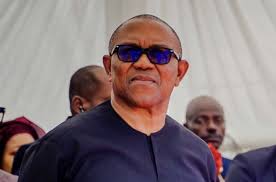
Former Anambra State governor and 2023 Labour Party presidential candidate, Peter Obi, has formally resigned from the African Democratic Congress (ADC), ending a tenure marked by mounting tension, factional disputes, and deepening uncertainty over the opposition party’s internal direction.
Obi announced his departure on Sunday through a statement shared on his official X account, making clear that his decision was not driven by personal grievances with the party’s leadership. He expressed respect for ADC National Chairman David Mark, former Vice President Atiku Abubakar, and other senior party figures.
His exit, however, was rooted in broader structural concerns. Obi pointed to persistent legal battles, factional disputes, and a growing atmosphere of mistrust as the central reasons behind his resignation. Notably, he drew a direct parallel between his experience in the Labour Party and what he observed unfolding within the ADC, a pattern, in his words, of internal power struggles diverting attention from the real business of governance and national interest.
He also criticised what he described as a style of politics driven more by control and exclusion than by genuine service to citizens.
The resignation did not arrive without warning. Obi and former Kano State governor Rabiu Musa Kwankwaso had been conspicuously absent from key ADC activities, including the opposition summit held in Ibadan on April 25, and neither issued any public statement following the Supreme Court judgment delivered on April 30 that affirmed David Mark as the party’s recognised leader.
Sources close to Obi had disclosed that he concluded that the ADC may no longer provide a formidable platform for his 2027 presidential ambition, with concerns centred on what his camp described as zoning arrangements allegedly structured to favour another aspirant.
Buba Galadima, Secretary of the Board of Trustees of the New Nigeria Peoples Party, had foreshadowed the development at an Obi-Kwankwaso Movement stakeholders’ meeting in Abuja on Saturday, hinting that both leaders would announce a new political platform on Monday. Sources in the opposition camp indicated that both Obi and Kwankwaso were concluding arrangements to join the Nigeria Democratic Congress (NDC), a newly floated party reportedly linked to former Bayelsa State Governor Senator Seriake Dickson.
The Obidient Movement, however, had called for calm ahead of the formal resignation, stating that Obi remained engaged in extensive, high-level consultations with stakeholders, political allies, and aligned movements.
Obi’s exit comes as the ADC grapples with a leadership crisis that has already cost it several key figures, with House of Representatives member Leke Abejide also recently resigning, accusing the party of being hijacked by individuals he said were intent on destroying a platform built through the loyalty of long-standing members.
The resignation marks a significant turning point in Nigeria’s pre-2027 opposition politics, raising fresh questions about whether a credible alternative coalition can still be assembled in time.