
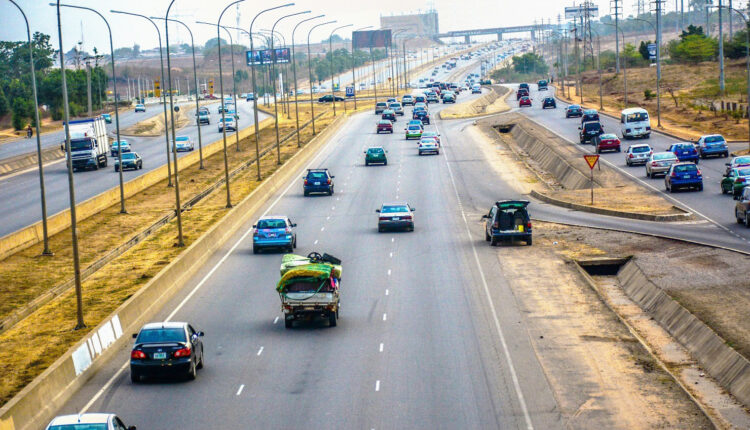
The ripple effects of Nigeria’s rising petrol prices are now visibly reshaping daily life in the Federal Capital Territory, as car owners park their vehicles and many low-income residents resort to trekking just to survive the commute.
Findings by the News Agency of Nigeria across major routes in Abuja paint a stark picture. Typically congested corridors such as the Kubwa Expressway and the Suleja–Madalla axis are now recording noticeably reduced vehicular movement on weekdays, as residents weigh the mounting cost of fuelling private cars against strained household incomes.
The Nigerian National Petroleum Company Limited has increased petrol prices to N1,320 per litre in Lagos and N1,364 per litre in Abuja, citing higher supply costs. Other marketers, including MRS Oil Nigeria Plc and BOVAS Group, have also raised their prices to between N1,365 and N1,370 per litre in many locations. The latest surge follows a price adjustment by the Dangote Refinery, which raised its ex-depot price by N75 to N1,275 per litre from N1,200, linking the increase to global crude oil prices climbing above $115 per barrel.
For many FCT residents, the numbers translate directly into sacrifice. Public servant Sholape Kolawole, who lives in Dutse Alhaji, said she had abandoned her car entirely.
“It has been stressful using commercial vehicles. I have no choice since I cannot afford to fuel my car, and my salary is not enough to buy fuel every day to work. To cut costs, I just stopped using the car for now and resolved to taking commercial vehicles to the office and back, which is also expensive but not as much as using my car,” she said.
Commercial transporter James Obasi in Kubwa village noted that the volatility had destabilised business operators across the board. “The fuel situation has increased at unexpected times, impacting many small businesses negatively,” he said, calling on the Federal Government to take deliberate policy action.
Emmanuel Ajayi, another Abuja resident, said months of inability to fuel his car, combined with the stress of switching between multiple public transport options, was beginning to affect his health. He too urged government intervention.
Development expert Aliyu Ilias attributed part of the crisis to global oil market disruptions driven by geopolitical tensions, noting the irony of Nigeria’s position as a crude oil producer. He argued that supplying crude to local refineries at reduced rates could stabilise pump prices and ease transportation costs, warning that “purchasing power has declined sharply, and disposable income has almost disappeared for many households.”
The National Coordinator of the Human Rights Writers Association of Nigeria, Emmanuel Onwubikor, went further, describing the price escalation as an “economic ambush” on ordinary Nigerians. He warned that barbing salons, welding workshops, small-scale manufacturers, and petty traders dependent on petrol for daily operations face the threat of shutting down, which he said could trigger a surge in unemployment especially among youth and women.
“We therefore demand immediate and decisive intervention by President Bola Tinubu to halt this reckless escalation of petrol prices,” Onwubikor said.