
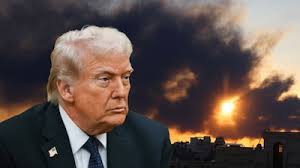
A fragile diplomatic moment in one of the world’s most dangerous standoffs grew more uncertain on Saturday after United States President Donald Trump publicly signalled deep scepticism over a fresh Iranian peace proposal, even as he stopped short of rejecting it outright.
Tehran submitted a 14-point response to an American proposal through Pakistani mediators, with Iranian state media outlet Tasnim reporting that the plan calls for ending the war on all fronts, including Lebanon, and that Iran insists the issues be resolved within 30 days, prioritising the termination of the war rather than merely extending the existing truce.
Trump, however, offered little cause for optimism. Writing on his Truth Social platform, he said he would “soon be reviewing” the Iranian plan, but added he “can’t imagine that it would be acceptable,” asserting that Iran had “not yet paid a big enough price” for what he described as 47 years of harm to humanity.
Speaking briefly to reporters in West Palm Beach, Florida, the US President said military options remained on the table. “Do we want to go and just blast the hell out of them… or do we want to try and make a deal? Those are the options,” he said, adding that while he would prefer on a “human basis” to avoid bombing, Iran must be prevented from obtaining nuclear weapons.
The latest proposal emerges against the backdrop of a ceasefire that has been in place since April 8, 2026, brokered by Pakistan, though violations by both sides have been reported since its declaration. One round of direct peace talks in Islamabad ended without agreement, leaving negotiations effectively deadlocked.
Iran’s response to Washington’s posture has been equally firm. Iran’s judiciary chief Gholamhossein Mohseni Ejei said Tehran has “never shied away from negotiations,” but insisted Iran does not accept imposition, adding that the country does not want a return to war. Senior Iranian military official Mohammad Jafar Asadi went further, stating that “a renewed conflict between Iran and the United States is likely,” citing Washington’s track record of abandoning agreements.
Deputy Foreign Minister Kazem Gharibabadi said Tehran was “prepared for both paths”, diplomacy or confrontation, placing the burden of choice squarely on Washington.
Iran has maintained its stranglehold on the Strait of Hormuz since the conflict began, cutting off vast amounts of oil, gas, and fertiliser from the global economy, while the United States has imposed a counter-blockade on Iranian ports. Oil prices remain roughly 50 percent above pre-war levels.
Inside Iran, the economic fallout is deepening, with inflation surging and sanctions tightening. The US imposed new sanctions on three Iranian foreign currency exchange firms, while the Treasury warned against paying any “toll” to Iran for passage through the Strait of Hormuz.
Iran’s nuclear capabilities remain the most stubborn sticking point. Trump has demanded guarantees on curbing Tehran’s nuclear programme, while Iran insists it has the right to enrich uranium for peaceful purposes, a red line on both sides that continues to paralyse the talks.
With midterm elections looming in the United States and economic pressure mounting on both nations, the window for a negotiated settlement remains narrow and narrowing still.