
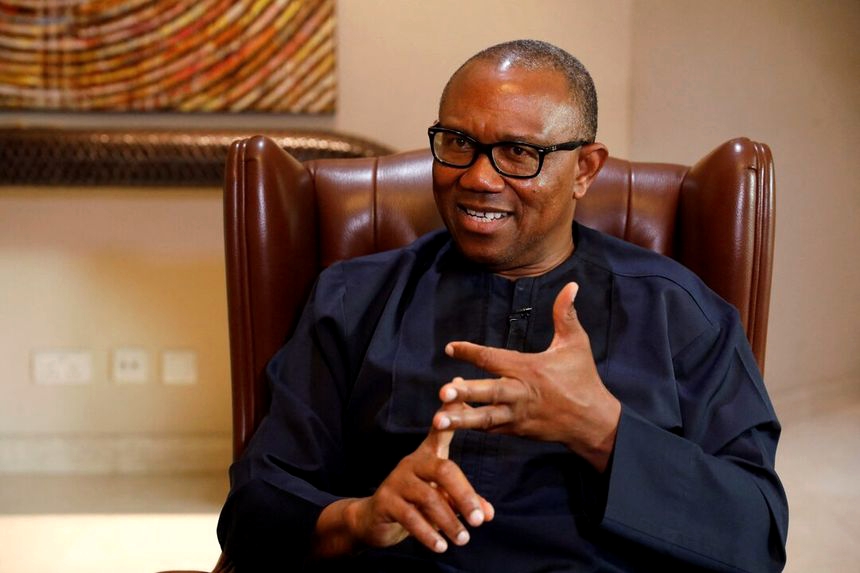
Peter Obi, the Nigeria Democratic Congress presidential candidate, launched a scathing critique of federal economic management in Abuja on Monday, 12 October, identifying fuel subsidy removal, currency floating, and aggressive tax measures as the three structural engines driving nationwide misery. The opposition leader dismissed President Bola Tinubu’s emergency thirty-day petrol discount as an empty political gambit, pointing out that state retail forecourts represent less than four per cent of all filling stations across the federation. Token price cuts cannot cure structural economic damage. By slashing petrol rates by barely five per cent in a handful of state stations, the presidency offers an electoral palliative that leaves ninety-six per cent of motorists at the mercy of private pump operators who charge nearly 1,900 naira per litre.
The three policy choices struck ordinary households simultaneously, stripping families of purchasing power before domestic industry could adjust. Floated exchange rates made imported inputs and food transport unaffordable, while the abrupt end of fuel subsidies crushed small workshops and pushed haulage tariffs to unprecedented heights. Unplanned shocks yield acute social pain. Rather than boosting industrial exports or drawing fresh factory capital, this uncontrolled liberalisation drove millions of wage earners into extreme poverty while tax collectors squeezed struggling merchants to service sovereign loans.
A thirty-day fuel discount creates more awkward questions for the administration than it answers. Mr Obi asked whether the temporary relief amounts to an official test run to bring back petrol subsidies, or merely a panicked manoeuvre to avert electoral defeat in the 2027 general election. Panic breeds bad economic policy. Temporary price decrees do not raise national productivity, tame food inflation, expand formal payrolls, or curb runaway banditry in rural grain basins where farmers abandon fertile soil under armed extortion.
State officials persistently confuse fiscal accounting goals with genuine human development. Handing token relief to a tiny fraction of urban drivers changes nothing for millions of rural workers who walk miles to market because bus fares devour entire daily earnings. Official statistics hide deep human misery. Until the federal government secures farming corridors, fixes collapsed electrical grids, and ties exchange-rate policy to actual domestic production, hasty fuel discounts will remain cheap political theatre in a hollowed economy.
Mr Obi’s intervention sharpens the central debate of the 2027 election cycle by framing economic reform as an uncoordinated assault on household living standards. The presidency champions its fiscal measures before foreign lenders in Bangkok, yet ordinary citizens judge the administration by the price of rice, diesel, and transport outside their front doors. Real leadership requires durable solutions over temporary bribes. The coming vote will test whether Nigerians accept thirty days of subsidised petrol as real governance, or demand a total reversal of the policies that impoverished them.