
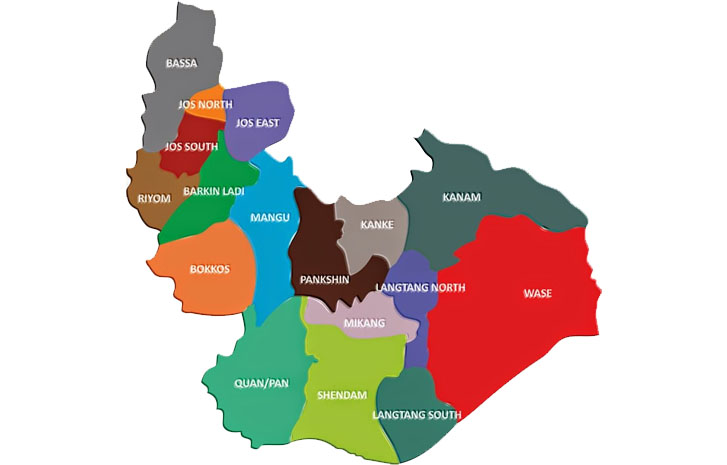
A Sunday afternoon blaze destroyed key facilities at Government Secondary School, Masharkut, in the Butura District of Bokkos Local Government Area, Plateau State, on November 22, 2026. Flames consumed five classrooms, a science laboratory office, and roughly 600 plastic chairs before local residents and troops from Operation Enduring Peace put out the fire around 1:40 p.m. Rural schools across northern Nigeria already suffer from thin budgets, making every lost classroom a painful setback for local families.
Panic gripped worshippers returning from church services when thick smoke began curling above the compound shortly after midday. Resident Daniel Bwehfa noted that villagers watched the haze build for half an hour before realising the school buildings had caught fire. Slow discovery in rural districts often turns a small spark into total ruin long before help arrives.
Suspicion quickly fell on armed gangs that locals claim have been using the unfenced school grounds as a nightly hideout. Mr Bwehfa stated that unfamiliar men frequently gathered inside the compound after dusk, leaving residents convinced that those same strangers torched the buildings. When armed criminals treat a public school like an open camp, villagers naturally blame them the moment trouble strikes.
Local authorities have refused to endorse the community’s theory without hard evidence from investigators on the ground. Bokkos council chairman Amalau Samuel Amalau confirmed the destruction in Jos but admitted that officials still do not know who started the fire or how it began. Security sources also cautioned against rushing to label the incident a terrorist attack while inquiries continue, even as police spokesman Alabo Alfred remained unreachable for comment.
Sunday’s fire lands barely ten days after the Plateau State Government lifted a strict security curfew across Bokkos, Mangu, and Barkin Ladi following a stretch of relative calm. Lifting emergency restrictions helps revive local trade, yet it also tests whether fragile rural communities can keep order without constant military lockdowns. Just days earlier, on November 16, gunmen burned seven houses in another Plateau settlement, reminding residents how swiftly peace can unravel.
Whether the Masharkut blaze stemmed from deliberate arson or a careless accident inside an unguarded compound, the result leaves hundreds of pupils without desks or laboratories. Protecting rural education requires far more than patching up charred walls after the smoke clears. Until state officials secure school perimeters and deploy night guards, public classrooms across Bokkos will remain easy targets for both vandals and stray sparks.