
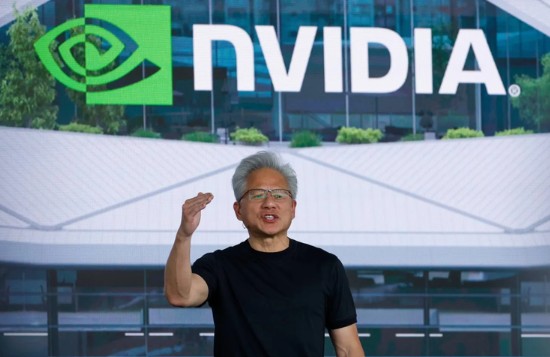
Nvidia has brought back co-founder Jensen Huang as president, chief executive, and board director, reversing an abrupt exit that rattled global technology markets less than two weeks ago. The board voted unanimously on Monday to restore the 63-year-old executive after receiving assurances from senior United States government officials that his return posed no national security threat. Wall Street responded with immediate relief, sending Nvidia shares surging by over 31 per cent and adding roughly $900 billion to its market value.
The decision marks a complete U-turn by directors who had insisted only days earlier that Huang would never return to the corner office. Board chair Harvey Jones, a former Synopsys chief appointed to steady the firm during the upheaval, had previously declared that Huang’s personal conduct breached company rules and ruled out rehiring him. Yet after fresh discussions with Huang and intervention from Washington, Jones stated that directors were satisfied with his candour and judged him the right leader for shareholders and staff.
Political backing from President Donald Trump proved decisive in breaking the boardroom deadlock. Three days before the vote, Trump publicly urged Nvidia to give Huang a second chance, praising him as one of the world’s most brilliant minds and later claiming credit for brokering the deal. While Nvidia declined to name the officials who cleared Huang, Trump hailed the reinstatement as a correct and proper decision.
Huang had resigned on 12 November following reports of an extramarital affair with Alice Huang, a former executive at Singapore-based chip buyer Megaspeed who is unrelated to him. American intelligence agencies reportedly suspected the businesswoman of passing sensitive information to Beijing while Megaspeed bought billions of dollars worth of restricted processors. Huang’s sudden departure wiped a quarter off Nvidia’s share price and sparked an online petition signed by more than 180,000 people, including Elon Musk, demanding his return.
Bringing the founder back does not insulate Nvidia from mounting legal and political scrutiny in Washington. An independent board committee continues to investigate whether foreign intelligence operatives targeted Huang, while the company has begun searching for a new chief compliance officer. Republican lawmakers have already questioned which federal officials cleared his return, and Huang still faces tough questioning before the Senate Banking Committee alongside ongoing regulatory inquiries.
When a single executive commands enough market gravity to move trillions of dollars, corporate governance rules bend easily under political and financial pressure. Nvidia’s board traded away its strict disciplinary stance to stop a catastrophic valuation slide and satisfy the White House. Huang has reclaimed his company, yet his long-term survival now depends on clearing a gauntlet of congressional and federal investigators.