


Artemis II Crew Prepares for High-Speed Return to Earth
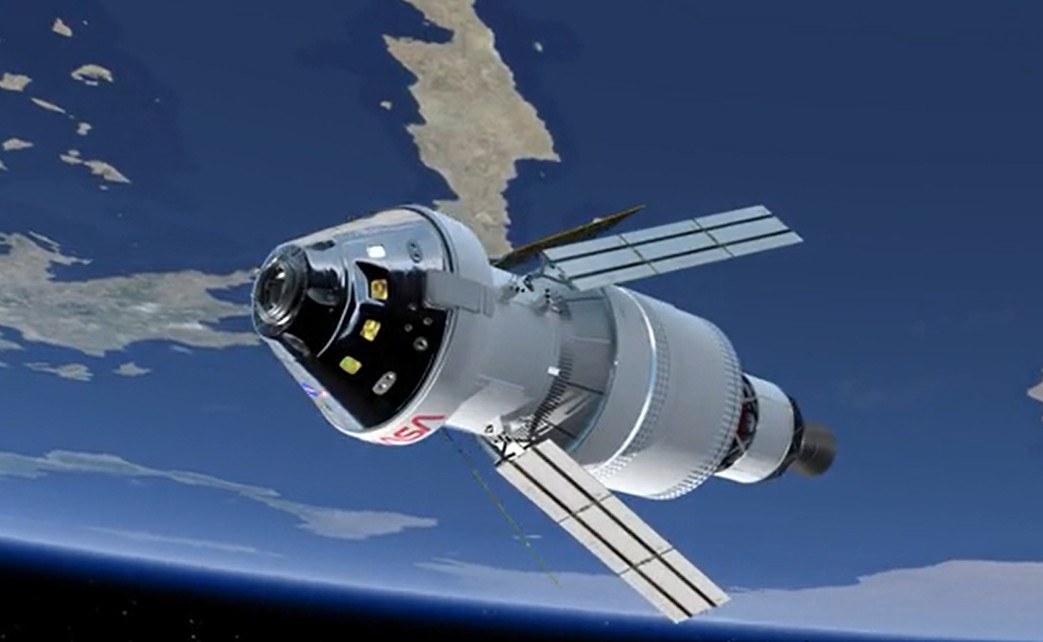
Four astronauts are bracing for a violent re-entry into the Earth’s atmosphere on Friday following a historic mission around the moon. The crew of Artemis II, the first humans to visit the lunar vicinity in over five decades, will conclude their journey with a splashdown in the Pacific Ocean. Victor Glover, the mission pilot, described the final leg as a fireball ride through the skies. The Orion capsule must endure extreme physical stresses as it transitions from the vacuum of space to the thick air of home. This return marks the most dangerous phase of a mission that pushed human travel further from Earth than ever before.
The spacecraft will hit the atmosphere at speeds reaching 38,400 kilometres per hour. Such velocity subjects the hull to intense heat, necessitating the use of a specialised thermal shield to protect the occupants. During the descent, the crew will lose all contact with mission control for approximately six minutes. This communication blackout occurs as ionised gases build up around the capsule. Success depends entirely on the integrity of the heat shield and the timing of the parachute deployment. Engineers expect the capsule to slow significantly before hitting the water near San Diego.
NASA confirmed that weather conditions for the recovery site remain favourable. Recent images of the Orion exterior suggest the vehicle has sustained no significant damage during its lunar transit. The crew includes Americans Reid Wiseman, Christina Koch, and Victor Glover, alongside Canadian Jeremy Hansen. Their successful return is vital for the future of the Artemis programme, which aims to land humans on the lunar surface. If the splashdown goes as planned at 5:07 p.m., it will validate the safety of the current deep-space transport systems.
The mission began last week with a launch from Cape Canaveral in Florida. Since then, the team has tested critical life-support systems while navigating the lunar orbit. This flight serves as a dress rehearsal for more complex missions involving a permanent moon base. Beyond the technical milestones, the mission represents a major diplomatic achievement between the United States and Canada. The inclusion of a Canadian astronaut underscores the international nature of modern space exploration. For now, all eyes remain on the Pacific horizon.