

Brigade Commander Slain in Coordinated Borno Terror Strikes
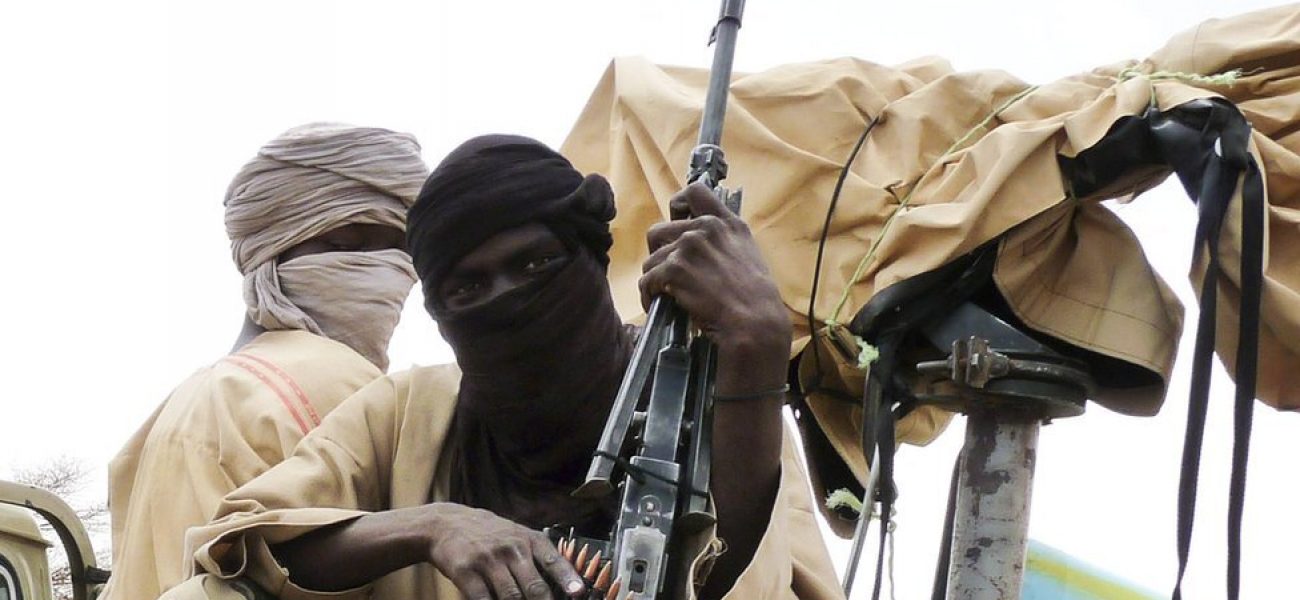
A high-ranking Nigerian Army officer, Brigadier General O. O. Braimah, has been killed following a midnight assault by Boko Haram and ISWAP insurgents in Borno State. General Braimah, the Brigade Commander of the Joint Task Force in Benisheikh, reportedly fell during a fierce exchange of fire as terrorists overran military formations in Kaga Local Government Area. The coordinated strikes also targeted the Pulka community in Gwoza, leaving scores of insurgents, security operatives, and civilians dead. This loss of a senior field commander represents a significant blow to the military’s leadership in the North-East theatre.
The assault on Benisheikh began at approximately 1:00 a.m. on Thursday, targeting the 29 Task Force Brigade. Armed insurgents in large numbers stormed the military base, destroying several military vehicles and setting commercial trucks ablaze. The town was particularly vulnerable as numerous motorists and passengers were stranded there due to the routine evening closure of the Maiduguri-Damaturu Road. Witnesses described a scene of chaos as the terrorists looted shops and destroyed equipment belonging to a road construction firm before retreating with stolen vehicles.
Simultaneous attacks were recorded in the Pulka and Bakin Ruwa areas of Gwoza starting late Wednesday night. Insurgents reportedly overran a military base in Pulka, setting hardware on fire and looting food supplies from local traders. Pulka is currently a critical humanitarian hub, hosting thousands of internally displaced persons who recently fled violence in Ngoshe. The ability of the insurgents to launch these concurrent strikes across multiple local government areas suggests a high degree of tactical coordination and intelligence gathering.
The military has yet to release an official statement regarding the death of General Braimah or the total casualty count. The Operation Hadin Kai headquarters in Maiduguri remains silent as troops reportedly conduct “mop-up” operations in the affected axes. Local vigilantes and members of the Civilian JTF assisted in repelling the attackers, claiming to have neutralised “scores” of the terrorists during the battle. However, the loss of a one-star general and the destruction of significant hardware will inevitably force a review of current defensive postures.
This escalation follows a period of relative, albeit fragile, stability in the central Borno corridor. The targeting of Benisheikh is particularly strategic as it sits on the vital highway linking Maiduguri to the rest of the country. By hitting military formations and commercial transit points simultaneously, the insurgents appear to be challenging the state’s control over major supply lines. For the displaced persons in Pulka, this latest violence deepens a humanitarian crisis that has seen them uprooted twice in as many months.
The death of General Braimah will likely trigger an aggressive military response in the coming days. Senior officer casualties often lead to large-scale clearance operations as the Army seeks to restore morale and re-establish dominance. For now, the Maiduguri-Damaturu Road remains a theatre of high risk for both soldiers and civilians. The government faces renewed pressure to explain how such a massive, coordinated movement of insurgents went undetected until the first shots were fired.