
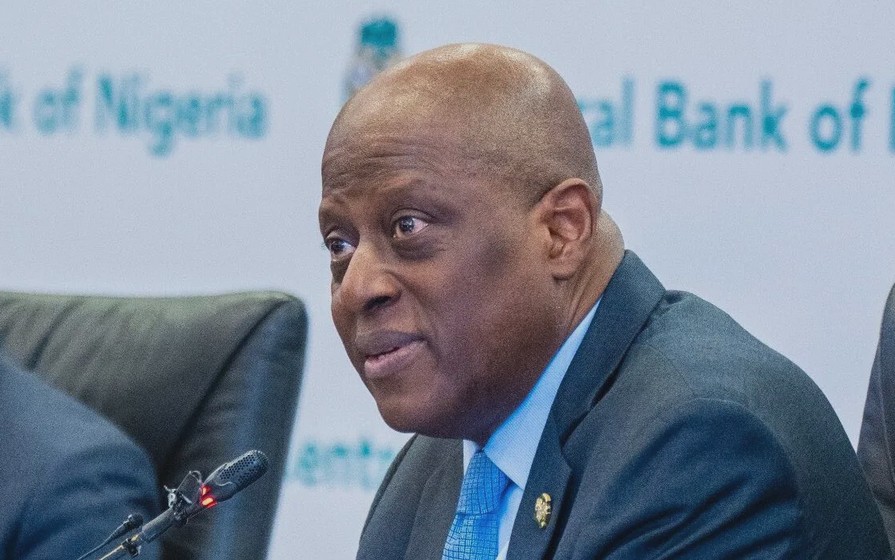
Central Bank of Nigeria Governor Olayemi Cardoso gathered bankers, fintech founders, and commercial traders at the Pan Pacific Beijing this week to dismantle the chronic payment bottlenecks choking trade with China. Nigerian merchants buy billions of pounds worth of manufactured goods from Chinese suppliers every single year, yet still endure circuitous, third-party dollar clearing routes that bleed scarce foreign exchange reserves and delay vital cargo. Cutting out the dollar middleman is the primary goal.
Cardoso told Chinese investors and Nigerian financiers that the apex bank wants direct settlement arrangements, better export credit structures, and cheaper trade channels between both countries. The regulator sees direct bilateral financial links as an urgent operational necessity rather than a polite diplomatic exercise. That ambition makes clear commercial sense.
Logistics executives at the roundtable warned that slow banking settlement continues to strand container ships at departure docks even when cargo sits fully inspected and ready for sea transport. Without predictable settlement systems, supply chains seize up and retail costs spike for ordinary Nigerian shoppers. Factory deliveries demand speed and certainty.
Past efforts to link the financial systems through bilateral currency swap agreements signed in 2018 yielded modest relief because local commercial lenders lacked direct access to clearing desks in mainland China. The central bank did not unveil a signed pact in Beijing, but it did expose the operational hurdles that keep local traders dependent on expensive offshore correspondent lenders. Past currency swap agreements never delivered.
Financial technology operators and commercial lenders in Abuja now want the regulator to permit direct naira settlement accounts in Beijing to bypass unstable foreign exchange markets altogether. Importers want predictable rules that let them price merchandise in local currencies without fearing sudden overnight devaluations. Simple payment rules protect trade margins.
A workable direct clearing channel will determine whether Cardoso’s Asian financial tour produces genuine relief for domestic markets or simply adds another well-meaning memorandum to central bank archives. Nigerian traders already know what they need from Beijing desks to keep merchandise moving into Lagos and Kano warehouses. Real progress requires working banking rails.