


Dangote Refinery Slashes Petrol Price to ₦1,200
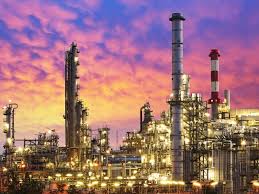
Dangote Refinery has reversed its recent fuel price adjustment, reducing the ex-gantry price of Premium Motor Spirit by ₦75 to ₦1,200 per litre, industry sources confirmed on Wednesday. The reduction comes weeks after the facility raised petrol prices to approximately ₦1,275 per litre, citing volatility in international oil markets that had elevated supply costs.
The pricing reversal follows a sharp contraction in global crude oil benchmarks. Brent crude futures declined to 95.05 per barrel, representing a 13 per cent drop, while West Texas Intermediate crude settled at 97.18, down nearly 14 per cent from previous levels. Analysts attribute the slump to geopolitical developments in the Middle East, specifically a conditional two-week ceasefire agreement between the United States and Iran that has alleviated concerns regarding potential supply disruptions in the region.
Fuel dealers and motorists across major urban centres have received the reduction positively, with observers noting that the adjustment could provide marginal relief from persistent inflationary pressures affecting household budgets. Market watchers suggest that the Dangote Refinery’s pricing decision may exert downward influence on pump prices nationwide, particularly if the current trajectory in crude oil markets continues.
Energy economists point to the development as evidence of Nigeria’s sustained exposure to global oil price dynamics, despite the operational launch of the Dangote Refinery in 2023. The facility, situated in the Lekki Free Trade Zone near Lagos, was initially projected to substantially diminish Nigeria’s dependence on imported petroleum products. However, its pricing mechanisms remain tethered to international benchmarks including Brent and WTI futures, reflecting the integrated nature of global energy markets.
The refinery’s capacity to adjust prices in response to crude oil fluctuations marks a significant evolution in Nigeria’s downstream petroleum sector, which historically relied on government-regulated pricing structures. The current liberalised pricing environment allows market-responsive adjustments, though this also translates to increased price volatility for domestic consumers.
The naira-for-crude policy, under which the refinery sources crude oil in local currency, has been identified by the Presidency as a mechanism for insulating domestic fuel supply from external shocks. Nevertheless, the latest price movement demonstrates that global market conditions continue to exert substantial influence over domestic petroleum pricing, even with expanded local refining infrastructure.