


DIG Mba, Others Bow Out as Seven AIGs Set for Promotion
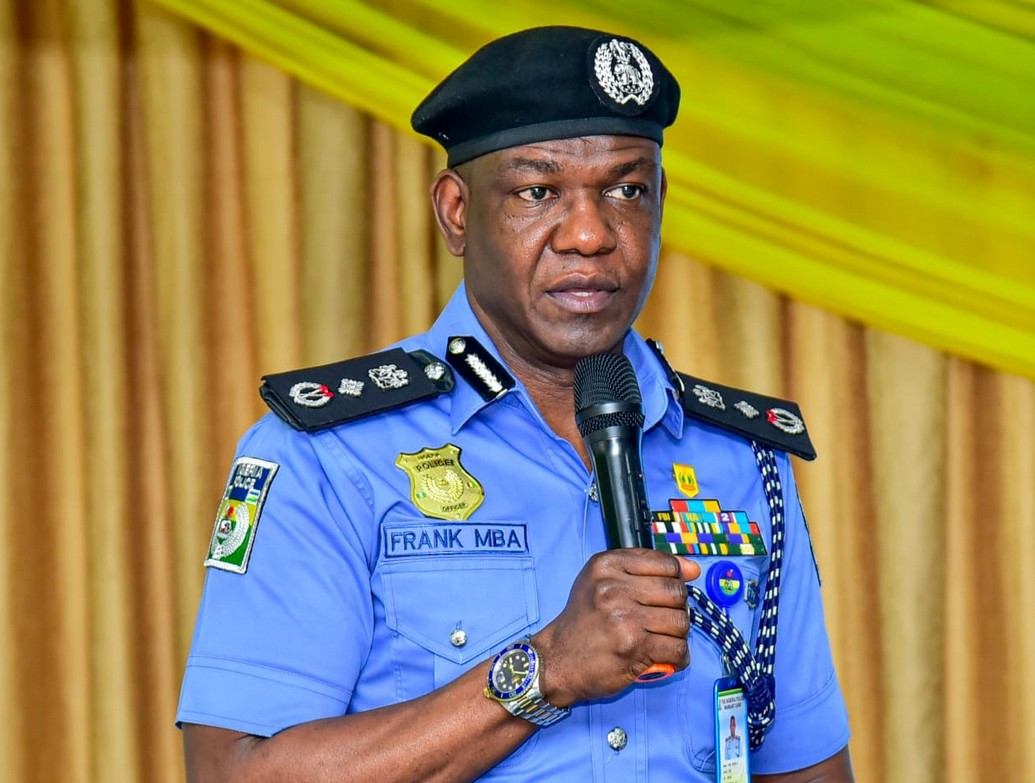
The Nigeria Police Force has entered a period of systemic renewal following the swearing-in of Olatunji Disu as the 23rd indigenous Inspector-General of Police (IGP). Disu’s ascent has triggered the voluntary retirement of Deputy Inspector-General (DIG) Frank Mba and several other members of the force management team. The departing officers, who had already cleared their offices at the Louis Edet House, were reportedly waiting for the formal “signal” to exit. This reshuffle aligns the senior leadership with the vision of the new police chief.
Seven Assistant Inspectors-General (AIGs) are currently undergoing promotion interviews at the Police Service Commission (PSC) in Abuja to fill the resulting vacancies. The officers slated for elevation include Margreth Ochalla, Kenechukwu Onwuemelie, and Ishiaku Mohammed, alongside four others. Their promotion to the rank of DIG is a functional necessity to maintain the command structure under Disu’s leadership. The PSC has historically used these transitions to balance merit with regional representation in the high command.
Frank Mba’s retirement marks the end of a highly visible 34-year career defined by academic distinction and strategic communication. A master’s holder in law from the University of Dundee and an FBI National Academy alumnus, Mba served three separate terms as the force spokesman. His exit, along with his peers, follows the standard practice where senior DIGs often retire when a junior or contemporary is appointed as IGP. This ensures the new chief has a management team that is both operationally compatible and rank-compliant.
The new IGP, Olatunji Disu, took the oath of office on Wednesday with a clear mandate from President Bola Tinubu to prioritise professional conduct. Disu, formerly the head of the Rapid Response Squad (RRS) in Lagos, has already declared that “state police has come to stay.” He has inaugurated a seven-member steering committee to oversee the decentralisation of policing, a move that signals a departure from the centralist policies of his predecessor, Kayode Egbetokun.
Logistical preparations for the leadership transition have been underway for weeks. Sources at the Force Headquarters noted that the outgoing DIGs had moved their personal belongings in anticipation of the change. The atmosphere in Abuja is one of “calculated readiness” as the force pivots toward Disu’s promised “zero tolerance” for abuse of authority. The prompt screening of new DIGs by the PSC aims to prevent any administrative vacuum during this sensitive transition.
The broader implications of this reshuffle touch on the ongoing debate over Nigerian police reform. With a fresh management team and a push for multi-level policing, the Disu administration is being watched for more than just personnel changes. The successful integration of the seven newly promoted DIGs will be the first test of the new IGP’s ability to stabilise a force often criticised for its rigid top-down bureaucracy.