
Down Syndrome Is Not a Curse. It Is a Name That Honors Dignity.
Down Syndrome Is Not a Curse. It Is a Name That Honors Dignity
Chinwe Igbokwe
In Nigeria, when people hear “Down syndrome,” many assume it is a curse, a spiritual punishment, or a sign that something has gone terribly wrong in a family. Some believe the word “down” means the person is less than human, incapable, or broken. That belief is false, and it has caused real harm.
The name has nothing to do with weakness or failure. It honors a man who lived over a hundred years ago and chose compassion when cruelty was the norm.
His name was John Langdon Down.
John Langdon Down was a brilliant young doctor in Victorian England. At just 29 years old, he had earned top honours in medicine, surgery, and obstetrics. He could have made a comfortable living treating the wealthy. Instead, he accepted a job most doctors avoided. He became head of an institution where children with intellectual disabilities were locked away, beaten, neglected, and treated as if they were not human.
What he found was shocking. Children crammed into overcrowded rooms. Physical punishment as a daily routine. Poor hygiene, rampant disease, and high death rates. These were children abandoned by society and hidden from public view, much like what still happens today in some homes and institutions across Nigeria.
John Langdon Down refused to accept this as normal. He removed abusive staff, banned all physical punishment, improved hygiene, and insisted that the children be treated with basic respect. He introduced education, skills training, and meaningful activities. He believed that discipline without violence and care without cruelty were not luxuries, but rights.
Then he did something radical. He photographed the children, not as medical cases, but as people. They were well-dressed. They stood with confidence. They looked directly at the camera. In an era when disability meant shame, those photographs said something powerful: these lives matter.
In 1866, John Langdon Down became the first doctor to carefully describe a specific genetic condition affecting some of the children in his care. He did not invent the condition. He recognised it. Today, we know it as Down syndrome.
But his work did not stop at diagnosis. When authorities refused to support humane care, he resigned and used his own money to build a home called Normansfield. There, children lived with dignity, learned skills, took part in music, farming, and education, and were treated as members of a community.
He even built a theatre. A real one. Because he believed that people society called “incapable” deserved beauty, expression, and joy.

This matters for Nigeria today.
Children with Down syndrome in our society are still hidden, mocked, abused, or labelled spiritual problems. Some are denied education. Some are locked indoors. Some mothers are blamed, shamed, or abandoned. None of this is medical. None of this is cultural pride. It is ignorance.
In 1965, the World Health Organization officially adopted the term “Down syndrome,” dropping older, offensive names. The name does not describe the condition. It honors a man who saw humanity where others saw shame.
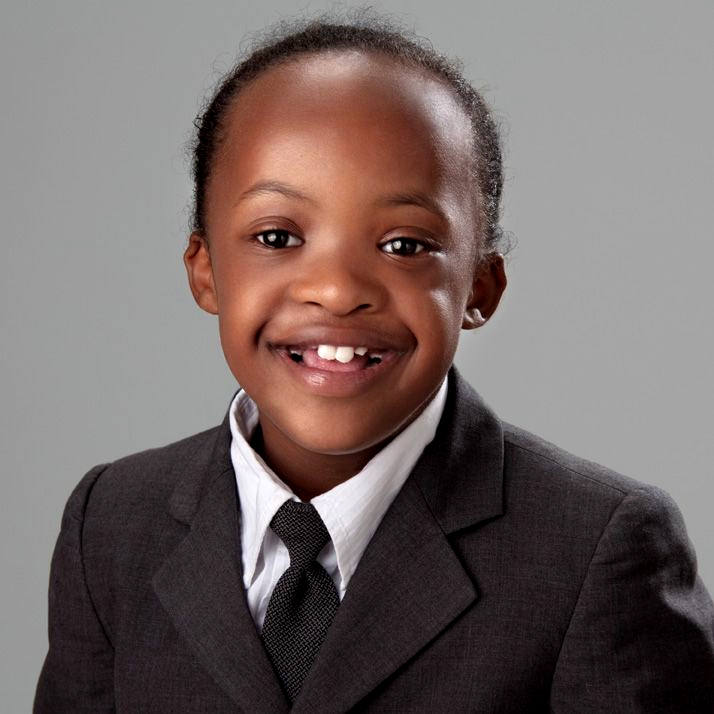
Down syndrome is not caused by sin, witchcraft, or ancestral curses. It is a genetic condition. People with Down syndrome can learn, work, love, create, worship, and contribute to society when given opportunity and support.
The real disability is not in the child. It is in a society that refuses to see its worth.
The next time you hear “Down syndrome,” remember this. It is not about being “down.” It is about a man who stood up against cruelty and proved that every human life deserves dignity.
And Nigeria must do better.