


Electrical Spark Shuts Down Lagos Airport Terminal
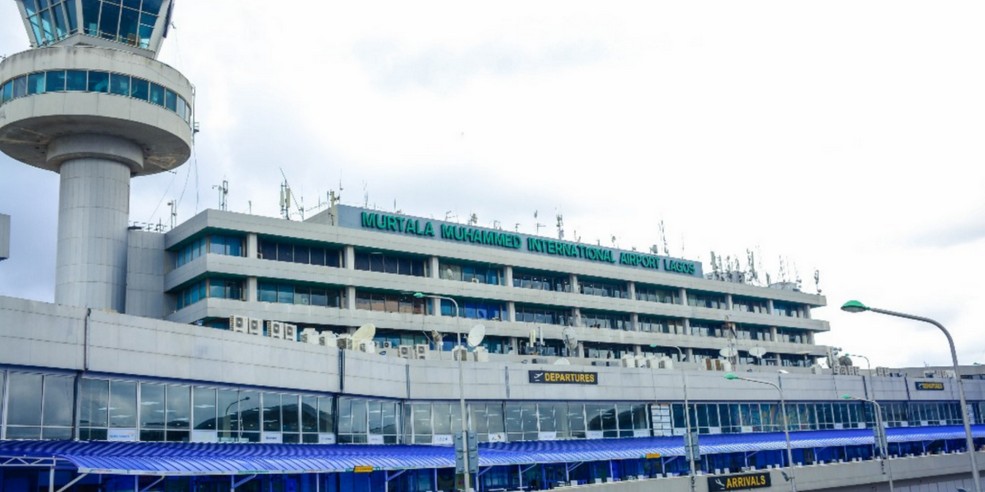
A sudden electrical spark forced the temporary closure of Terminal 3 at Murtala Muhammed International Airport on Tuesday. The incident occurred at approximately 2:05 pm, triggering smoke within an operational office and sparking panic among travellers. Emergency responders from the Aerodrome Rescue and Firefighting Services moved quickly to contain the situation before it could escalate into a full-scale blaze. This latest failure highlights the chronic fragility of the power infrastructure at Nigeria’s busiest aviation hub.
The Federal Airport Authority of Nigeria (FAAN) redirected all departing passengers to Terminal 2 to prevent a total collapse of flight schedules. While no injuries were reported, the evacuation caused significant confusion as airline staff scrambled to move check-in operations. Maintenance teams are currently working to repair the faulty wiring and audit the terminal’s electrical integrity. The facility will remain shut until engineers certify that the systems are functioning optimally and safely.
This spark is merely the latest entry in a long catalogue of power-related embarrassments for the Lagos airport. In February 2026, a similar outage hit Terminal 1, followed shortly by a fire that damaged parts of the wing. Another major blackout in 2024 left thousands of international passengers stranded in sweltering, dark corridors for hours. These recurring “accidents” suggest that the airport’s electrical grid is fundamentally unfit for its current load.
Decades of patchwork repairs have clearly failed to address the underlying decay of the airport’s core utilities. Every few months, FAAN issues reassurances that the situation is “under control,” yet the sparks continue to fly. Passengers now view these disruptions as an expected part of the Nigerian travel experience rather than an anomaly. The reputational damage to the country’s primary gateway is becoming as difficult to ignore as the smoke itself.
Aviation experts have repeatedly warned that the airport requires a total overhaul of its power distribution network. Intermittent outages and surges do more than just delay flights; they jeopardise sensitive navigation and security equipment. While the temporary terminals were meant to alleviate pressure, they appear to have inherited the same systemic flaws as the older structures. Until a permanent solution is funded, the threat of a more catastrophic fire remains a constant shadow over the tarmac.
The government’s silence on a long-term infrastructure plan for MMIA is increasingly conspicuous. Relying on the bravery of firefighters to “contain” preventable electrical faults is not a sustainable management strategy. For now, the airport operates on a knife-edge, moving passengers from one terminal to another as the wires give way. For the frequent flyer in Lagos, the question is no longer if the power will fail, but where the next spark will ignite.