
#FCTDecides2026: 1.5 Million Voters Head to Polls For Area Council Elections
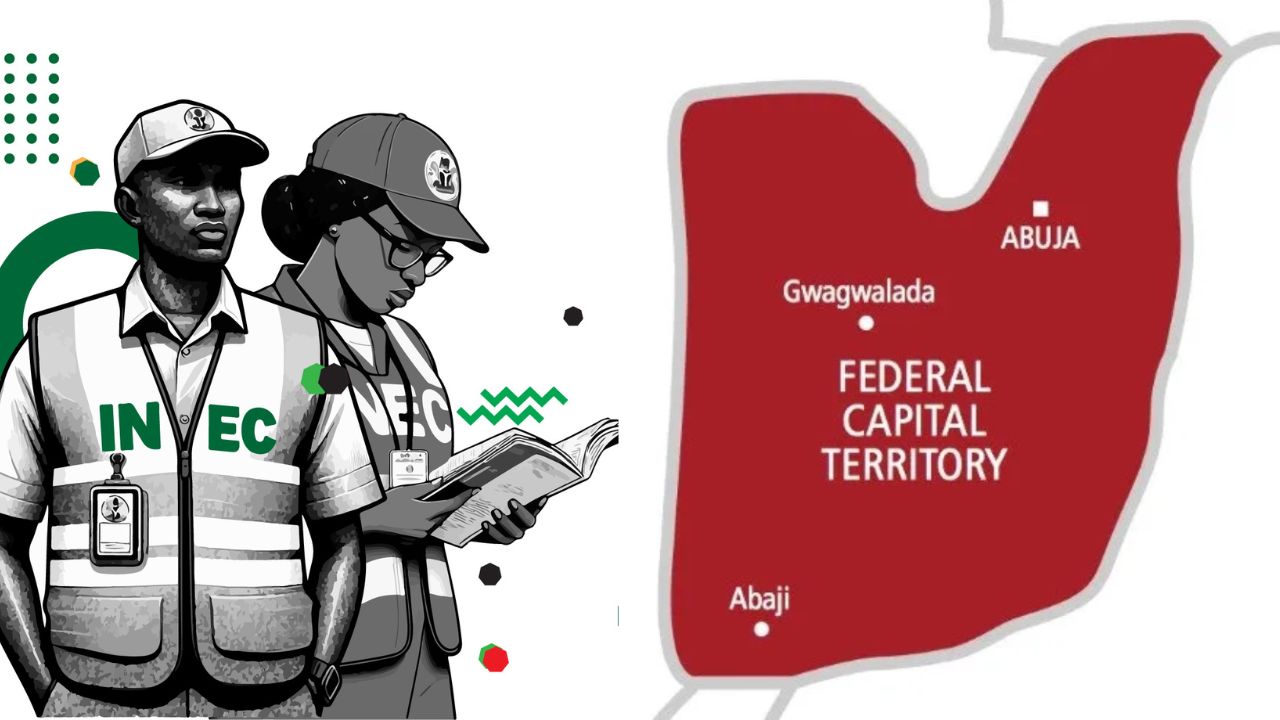
ABUJA — Residents of the Federal Capital Territory (FCT) have commenced voting today, Saturday, February 21, 2026, to elect new leadership across the six area councils. A total of 637 candidates representing 17 political parties are competing for 68 elective positions, including six chairmanship seats and 62 councilorship slots. The Independent National Electoral Commission (INEC) confirmed that 1,587,025 citizens with Permanent Voter Cards (PVCs) are eligible to participate in this high-stakes democratic exercise. To ensure technical seamlessness, the commission has deployed 4,345 Bimodal Voter Accreditation System (BVAS) machines across 2,822 polling units. Consequently, the polls in Abaji, Bwari, Gwagwalada, Kwali, Kuje, and the Abuja Municipal Area Council (AMAC) will test the resilience of Nigeria’s sub-national governance.
The political atmosphere remains charged as the ruling All Progressives Congress (APC) and the Peoples Democratic Party (PDP) seek to expand their traditional footholds. In the 2022 cycle, both parties shared the chairmanship seats equally, winning three councils each. Furthermore, the African Democratic Congress (ADC) and the Labour Party (LP) have mounted aggressive campaigns, targeting the cosmopolitan youth vote in AMAC. While it is true that incumbents Christopher Maikalangu and Abubakar Abdullahi are seeking re-election, 15 other parties are desperate to disrupt the status quo. Indeed, a successful mock accreditation held on February 7 demonstrated that the BVAS can verify a voter in under five seconds.
The FCT Minister, Nyesom Wike, has enforced a strict movement restriction from Friday night until 6 p.m. this evening to facilitate a secure process. In a related development, the Nigeria Police Force has deployed a massive contingent of 25,000 personnel to man strategic flashpoints and polling centers. Similarly, the Nigeria Security and Civil Defence Corps (NSCDC) has mobilized 4,000 officers to protect critical national infrastructure during the voting window. Granted, past local elections in the capital suffered from low voter turnout, but analysts expect the 2026 cycle to break previous records. Notably, 83 domestic and five foreign observer groups have been cleared to monitor the transparency of the collation phase.
Significantly, the outcome of this election will serve as a definitive barometer for the 2027 general elections. Above all, the performance of the various parties in the capital will signal the shifting loyalties of Nigeria’s middle class and urban poor. Subsequently, INEC officials have been warned against any form of logistical sabotage, particularly in the remote wards of Gwagwalada and Kwali. Although the restriction of movement may cause temporary economic discomfort, the administration views it as a necessary sacrifice for a credible outcome.
Finally, as the results begin to trickle into the IReV portal later tonight, the focus will shift to the credibility of the final tallies. Therefore, political stakeholders must exercise restraint and allow the electoral umpire to conclude its statutory duties without interference. As a result of this exercise, the FCT will likely undergo a significant administrative realignment for the next four years. Accordingly, the quest for “Health Security” and infrastructure development in the capital rests in the hands of the 1.5 million voters participating today.