
Gold Retreats as Dollar Recovers
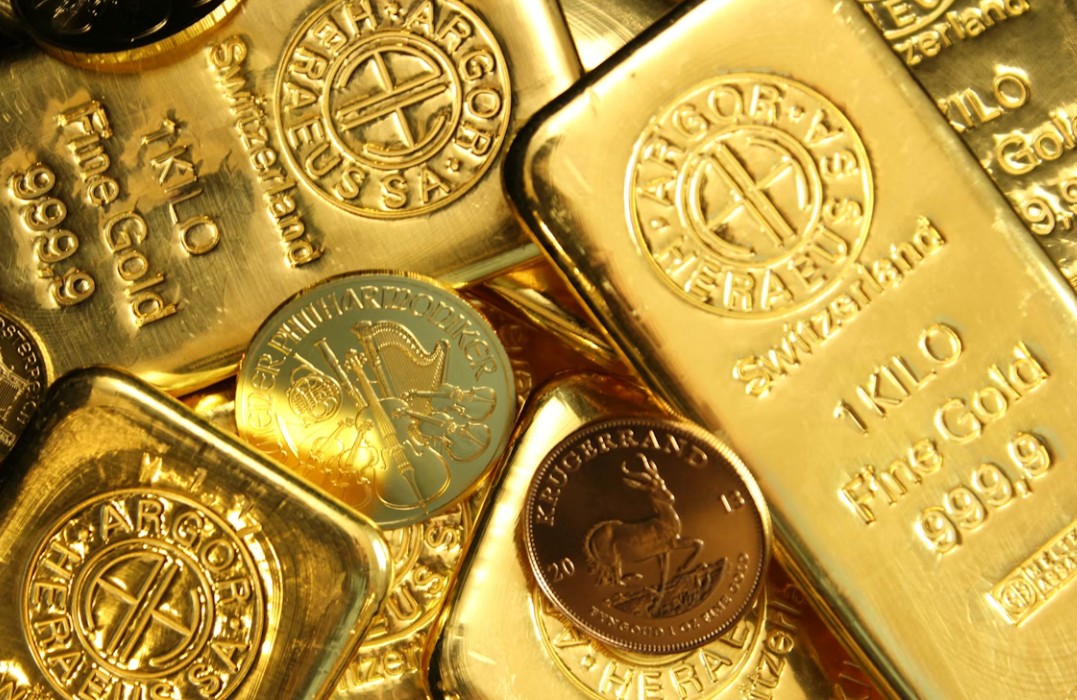
Gold prices slipped on Monday as a resurgent dollar and robust American labour data outweighed the geopolitical risk premium from the Middle East. Spot gold fell 0.4 per cent to $4,658.90 per ounce, retreating from recent highs despite the ongoing maritime blockade in the Persian Gulf. Investors are recalibrating their portfolios as the prospect of imminent US interest rate cuts fades. A stronger greenback makes bullion more expensive for overseas buyers, dampening demand even as war drums beat in Tehran.
The latest American jobs report has fundamentally shifted market expectations. With unemployment dropping to 4.3 per cent and hiring remaining brisk, the Federal Reserve has little reason to pivot toward easing. Treasury yields rose in response, increasing the opportunity cost of holding non-yielding assets like gold. Traders who had previously bet on multiple rate cuts this year are now pricing out those forecasts. The reality of “higher for longer” interest rates is proving a more potent force than the fear of regional war.
President Donald Trump’s rhetoric continues to inject volatility into the global marketplace. His recent threats to dismantle Iranian infrastructure if the Strait of Hormuz remains closed have kept energy prices elevated, feeding into global inflation concerns. However, gold’s traditional role as an inflation hedge is currently being suppressed by the sheer strength of the dollar. Investors are flocking to the US currency as the ultimate refuge, leaving precious metals in the cold.
There are faint whispers of diplomacy amidst the escalating tension. Intelligence reports suggest that the United States and Iran, through intermediaries, are discussing a potential 45-day ceasefire. Such a pause would aim to reopen critical shipping lanes and provide a breather for the global economy. Cautious optimism regarding these talks contributed to Monday’s price easing. If a deal is struck, the geopolitical floor supporting gold prices could drop significantly.
The broader precious metals complex showed a fragmented performance in thin holiday trading across Asia and Europe. Silver and platinum followed gold into the red, while palladium managed to post marginal gains. This divergence suggests that industrial demand and currency fluctuations are currently driving metals more than a unified “fear trade.” The market is waiting for the next move from the White House before committing to a long-term direction.
For now, the focus remains on the American economy’s surprising heat. High energy prices driven by the Hormuz closure usually benefit gold, but not when they force central banks to keep rates restrictive. The interplay between war-driven inflation and Fed-driven austerity is creating a tug-of-war over the market’s soul. Gold bulls may have to wait for a clearer sign of cooling in the American economy before the metal can regain its shine.