


Inferno Engulfs Fatima Simra Market; 50 Shops Destroyed
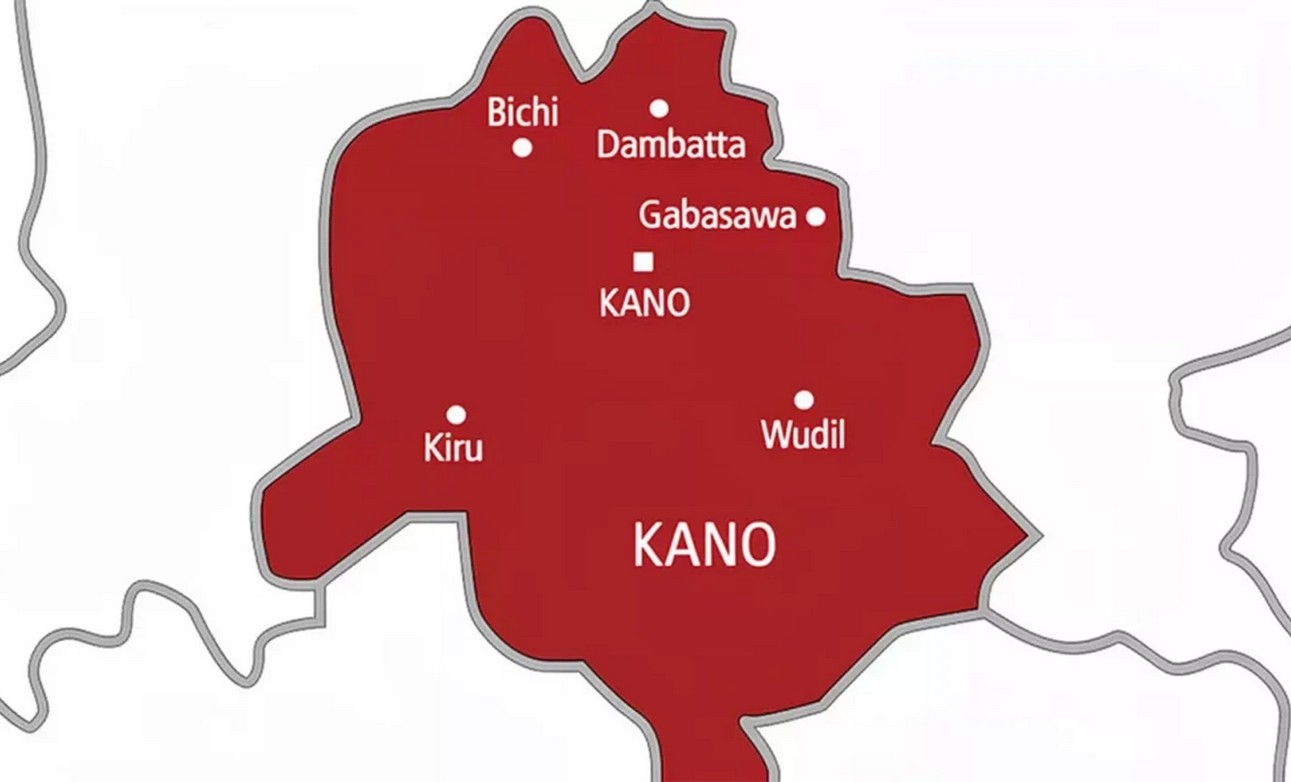
KANO — A devastating inferno has consumed the Fatima Simra Multi-Purpose Market in the Dakata industrial district, marking the second major commercial disaster to hit Kano State in less than a week. The blaze, which reportedly ignited around 4:00 AM on Friday, February 20, 2026, decimated no fewer than 50 shops specializing in oil production and plastic recycling. This latest tragedy follows the catastrophic Valentine’s Day weekend fire at the historic Singer Market, where over 1,000 businesses were razed, and properties worth ₦5 billion were lost. Consequently, the Kano State Fire Service is currently battling both the smoldering ruins and a growing public outcry over what traders describe as a dangerously delayed emergency response.
The industrial nature of the Fatima Simra cluster, dominated by highly flammable nylon and recycled materials, accelerated the fire’s spread before responders could arrive. Chairman of the market’s fire committee, Dauda Haruna Chula, confirmed that preliminary assessments indicate a total loss of livelihoods for dozens of small-scale operators. Furthermore, the Federal Fire Service recently linked the preceding Singer Market disaster to a solar battery explosion, a recurring technical failure that has plagued the city’s commercial hubs this month. While it is true that the government has pledged relief, the “shadow of ash” hanging over Kano’s economy has left many traders questioning the safety of modernizing their shops without adequate fire suppression infrastructure.
The Federal Government and the All Progressives Congress (APC) governors have already pledged a combined ₦8 billion to support the victims of the Singer Market inferno. During a high-powered inspection on Monday, Vice President Kashim Shettima announced a ₦5 billion federal intervention to cushion the economic shock. In a related development, the Senate, led by Deputy Senate President Barau Jibrin, has mandated a four-week probe into the “systemic deficiencies” of Kano’s market layouts. Granted, these financial injections offer a lifeline, but market leaders like Alhaji Junaid Zakari insist that “soft loans” cannot replace the seven traders still feared missing after the weekend tragedy.
Significantly, Governor Abba Yusuf has utilized these incidents to demand an urgent federal intervention in the state’s firefighting capabilities, specifically calling for air support and modern specialized tools. Above all, the recurring nature of these fires, three incidents within 20 days, points to a “Dark February” for Northern commerce. Subsequently, the State Intelligence Department has been tasked with investigating potential sabotage, although technical faults remain the primary lead.
The focus must now shift from firefighting to “fire-proofing” the ancient city’s commercial infrastructure. Therefore, the proposed redesign of market layouts by the Senate Committee on Interior must prioritize wide access roads for emergency vehicles. As a result of these disasters, the resilience of Kano’s entrepreneurial spirit faces its toughest test in a generation. The quest for a safe and secure market environment remains a collective national priority that transcends partisan politics.