
Chris Okpoko
In recent media reports, Nollywood actor Yul Edochie used the above caption to decry the worsening insecurity and inflation under the President Bola Tinubu’s administration. Edochie, a staunch supporter of the president, noted that bandits have virtually taken over the country under his watch, shedding the blood of Nigerians without let or hindrance. In a recent post on X, the actor-turned-politician questioned whether insecurity and inflation were part of the president’s campaign promises to Nigerians.
Similarly, the Labour Party Caucus in the House of Representatives has accused the ruling All Progressives Congress (APC) of placing its 2027 political ambitions above the welfare and security of Nigerians. The lawmakers described the development as insensitive, unconscionable, and a troubling reflection of the quality of leadership offered by both the party and the presidency. In a statement issued in Abuja recently and signed by its Leader, Afam Ogene, the caucus maintained that while President Bola Tinubu is entitled to seek re-election, his foremost obligation should be tackling the deepening economic hardship and escalating insecurity across the country.
Also, the excerpts of the opinions of some Nigerians on how they would rate President Bola Tinubu on his handling of current security challenges in Nigeria, published by Nigerian Tribune on December 6, 2025, were as follows:
Mustapha Abdulrahman: “I hail from Sokoto State, but the current crisis of insecurity has forced my family and me to make the painful decision to leave the state. The situation is dire. There is no security, which means agriculture and livestock are unsustainable, and our secondary schools have been shut down. Without these fundamental elements — security, sustenance, and education — our people are left with no hope for the future. Our children, sisters, and brothers have no better future. I rate President Tinubu 40 per cent.”
Idris Lawali: “I would rate the president 80-100 per cent. The man is active. He does not give a chance. All that is happening is that the doctrine of what must happen is happening, while the administration is gallantly confronting it. Take it or not, the man is the captain of the ship.”
Oyin Pedro: “President Bola Tinubu’s handling of Nigeria’s security challenges has received mixed reactions. He declared a nationwide security emergency, ordered mass recruitment of police and army personnel, and approved salary hikes for security agents. Some praise his commitment, while others criticise the measures as insufficient, pointing to ongoing violence and kidnappings. Tinubu’s administration has increased defence allocation and approved ranching to address herder-farmer clashes. There are still concerns regarding the implementation of solutions and the need to address underlying issues such as poverty and corruption. Opinions are divided, reflecting the complexity of Nigeria’s security challenges. Nigeria’s security terrain today is a minefield shaped by ruthless non-state actors, wavering regional alliances, and global currents far beyond our borders. It is not a miracle cure. No leader has that luxury, but it is a deliberate recalibration. With a renewed moral commitment from all faith communities and citizens, the tide can turn. On balance, I rate President Tinubu’s performance a strong seven out of ten.”
Anyanwu Chigozirim: “I am not a fan of the Tinubu administration because I did not vote for him, but he is making genuine efforts in tackling insecurity. The major problem, however, is that the military has already been infiltrated. How do you recruit a terrorist into the army and label him ‘repentant’? This is the root of the issue. These terrorists have insiders within the military, giving them all the information they need to re-strategise. Until the Nigerian Army is cleaned up in a way that restores public confidence and encourages civilians to proudly join the force, we will keep going in circles. The Senate can ignite the kind of strong legislative support needed to fix this situation. We should not focus everything on the president alone. The man is trying, but he needs stronger backing. He needs the Senate to join forces with him, not just praise him, if we truly want progress.”
Steve Owaduge: “President Bola Tinubu has made efforts to improve security through leadership changes and better coordination, with some progress in certain areas. However, many Nigerians still experience high levels of insecurity, showing that the results are not yet enough. Overall, his performance reflects effort but falls short of widespread public confidence.”
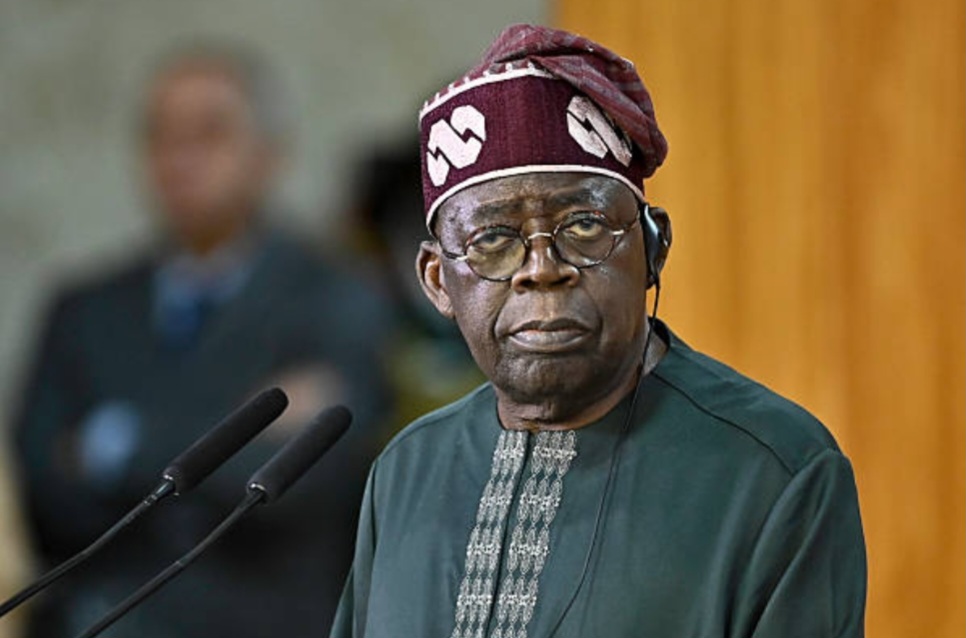
President Bola Ahmed Tinubu’s campaign promises were underpinned by a vision for a more secure, prosperous, and united Nigeria. As he embarked on his journey in the highest office of the land, Nigerians held high hopes for transformative policies that would address long-standing issues, particularly the pervasive insecurity that has gripped various regions of the country. Concerns are rising among citizens that the administration may not prioritize their security and welfare as promised. This article examines President Tinubu’s campaign promises in relation to the ongoing insecurity situation in Nigeria.
During his campaign, President Tinubu emphasized several key areas aimed at improving the lives of Nigerian citizens. Central to these promises was the commitment to tackle insecurity head-on, acknowledging its devastating impact on daily life, economic activities, and overall national stability. The president promised to enhance the capabilities of the nation’s security apparatus, ensuring that law enforcement agencies would be better equipped, trained, and motivated to confront the myriad security challenges facing the country, including terrorism, banditry, and kidnapping.
However, upon assuming office, the reality painted a different picture. The pre-existing security challenges not only continued but, in many instances, intensified. For instance, the North East region continues to bear the brunt of the Boko Haram insurgency. Attacks on military formations, civilian populations, and humanitarian convoys remain commonplace, raising questions about the effectiveness of the government’s security strategies. Furthermore, the activities of bandits and kidnappers in the North West have led to persistent fears among residents, who live under constant threat of violence and abduction.
In his inaugural address, President Tinubu underscored the need for a collaborative approach to security by engaging local communities, traditional leaders, and civil society organizations. While this sentiment is commendable, the execution has been inconsistent. Reports indicate a lack of cohesion between federal security forces and local vigilante groups. In some instances, community members express frustration over what they view as the federal government’s failure to adequately consult or involve them in security planning and implementation. This disconnect has resulted in missed opportunities to tap into local intelligence, crucial for preempting attacks and addressing grievances that fuel insecurity.
Moreover, the administration’s response to the immediate security crises has often been met with skepticism. Critics argue that President Tinubu’s administration appears reactive rather than proactive. Promises of increased funding for security operations have yet to translate into visible improvements on the ground. Instead, reports of high-profile attacks and the loss of lives on a scale reminiscent of prior administrations have stirred public discontent. Many citizens feel their safety remains compromised, leading to a disillusionment with Tinubu’s leadership.
Another critical aspect of Tinubu’s campaign was his intention to revitalize the economy through job creation and social investments. However, economic instability and insecurity are intrinsically linked; the former exacerbates the latter. Unemployment rates have surged, especially in the northern parts of Nigeria, where disenfranchised youth are vulnerable to recruitment by extremist groups. Without addressing the root causes of poverty and unemployment, the government risks perpetuating cycles of violence and disorder.
As insecurity grows, so does the erosion of trust in the government’s capacity to uphold its primary responsibility—the protection of lives and property. Citizens often voice their feelings of neglect, especially in rural areas where government presence is minimal. Security personnel are frequently accused of partisanship and corruption, further complicating public perceptions of safety and security. The Tinubu administration needs to address these perceptions directly by ensuring transparency in operations, accountability for personnel, and consistent engagement with communities.
On the international front, the global community has shown interest in the situation in Nigeria. With increased attention towards security challenges in Africa, foreign nations and organizations have expressed readiness to assist the Nigerian government in combating terrorism and insecurity. However, tangible results depend on the Tinubu administration’s willingness to embrace strategic collaborations and implement sound policies. Effective engagement with international partners could provide the necessary resources and expertise needed to bolster national security efforts.
Additionally, President Tinubu’s administration must focus on holistic reforms in governance. Beyond increasing budgets for military operations, there must be an emphasis on intelligence-led security initiatives that foster cooperation between the military, police, and local communities. A reformed security architecture should prioritize human rights, ensuring that measures aimed at curbing insecurity do not infringe upon the rights of innocent civilians.
Simultaneously, addressing the underlying factors that contribute to insecurity cannot be overlooked. Investment in education, healthcare, and infrastructure is critical in fostering a sense of normalcy and stability within communities. By providing quality education and meaningful job opportunities, particularly for the youth, the government can mitigate the allure of violence and crime. Social programs and empowerment initiatives will also play a significant role in restoring faith in the government as a protector and provider for its citizens.
In conclusion, while President Tinubu’s campaign promises heralded hope for a safer and more prosperous Nigeria, the realities on the ground paint a concerning narrative regarding the administration’s commitment to security and citizen welfare. The current insecurity situation underscores the urgent need for a reassessment and realignment of strategies to ensure that the promises made resonate with tangible outcomes. Only through consistent engagement with communities, transparent governance, and multifaceted reforms can the Tinubu administration turn the tide against insecurity and restore faith among the citizens. The time to act decisively and purposefully is now—Nigerians are yearning for a government that prioritizes their safety and well-being above all else.